How Woodstock ’99 Turned Into a Crisis
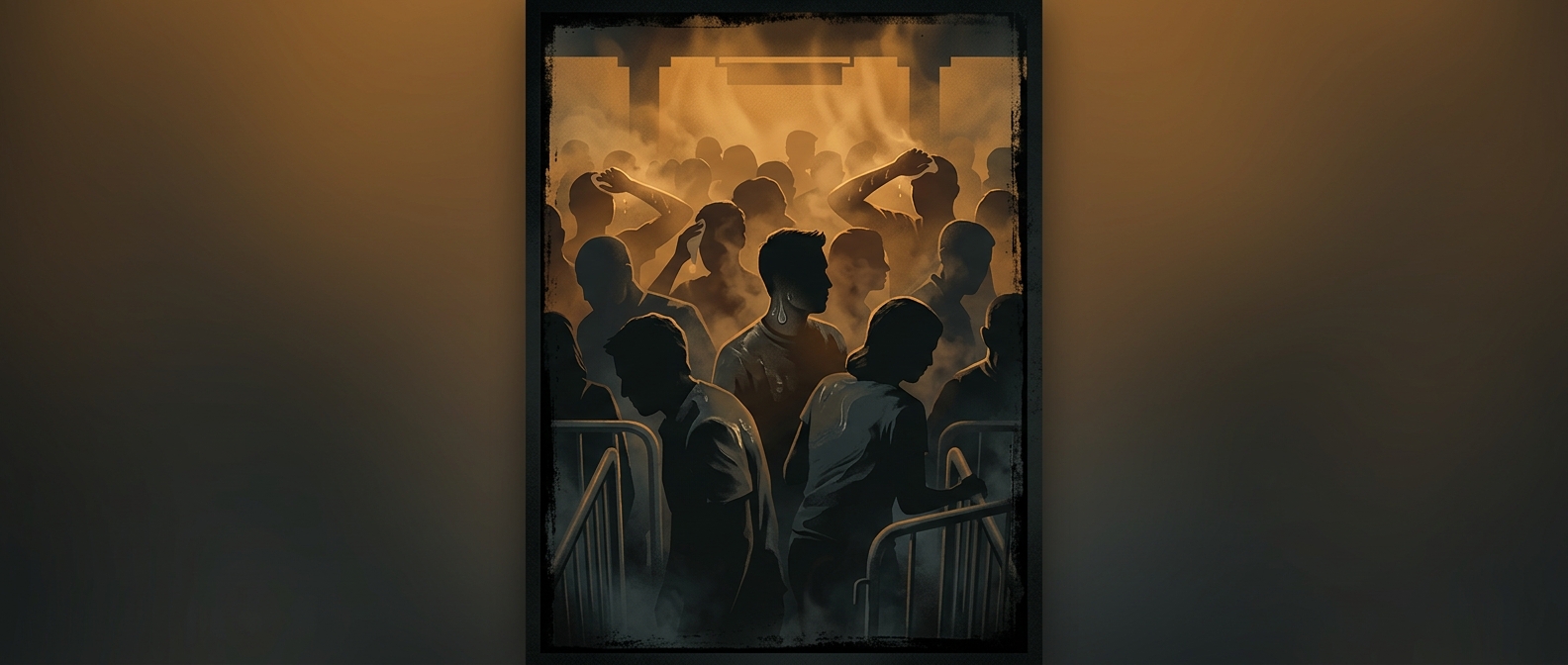
Woodstock ’99 was meant to celebrate the 30th anniversary of the 1969 festival, but its setting and setup made a difficult weekend more volatile. The event took place on a former Air Force base in Rome, New York, where broad stretches of pavement absorbed the summer sun. With little shade, large crowds spent hours in intense heat.
Water was essential in those conditions, yet festivalgoers complained that it was expensive. When staying hydrated felt costly and the site offered few easy ways to escape the heat, frustration had a daily, physical source. That did not make violence inevitable, but it helped turn discomfort into anger.
From Discontent to Disorder
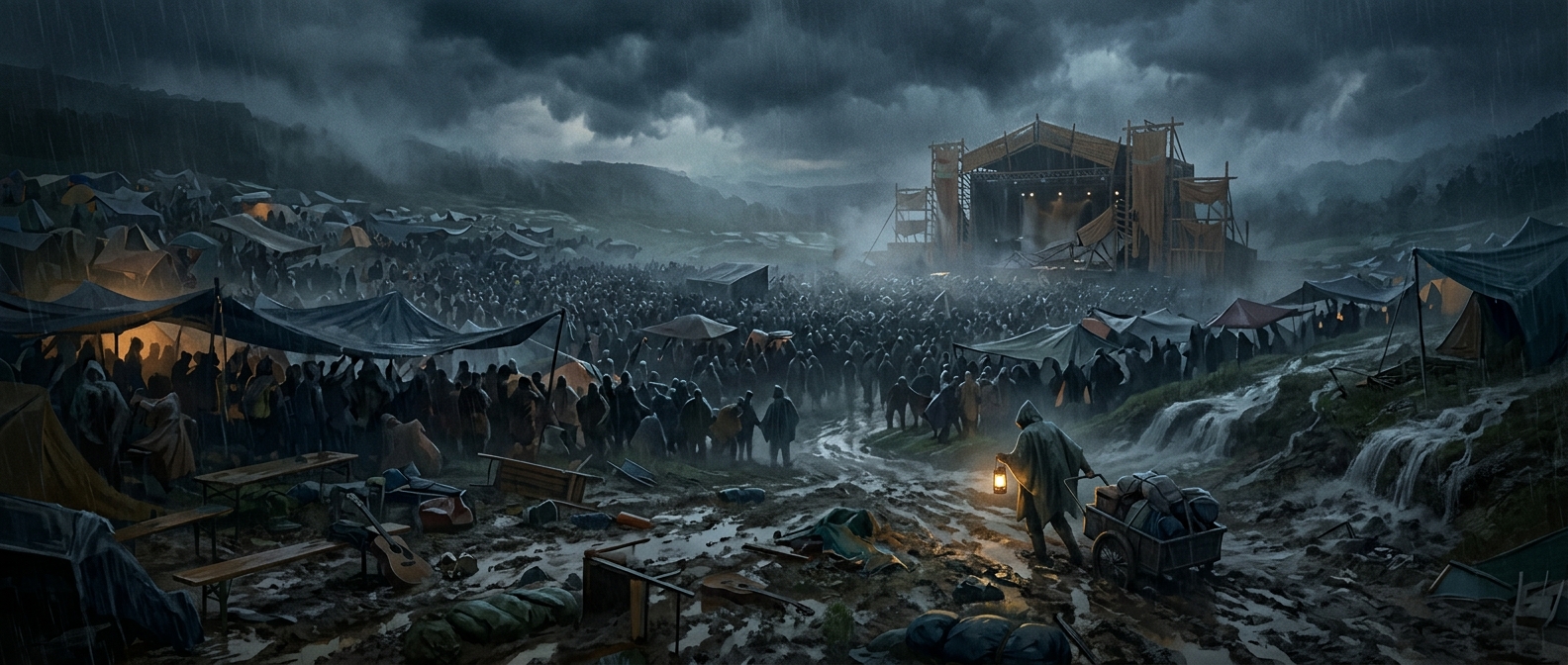
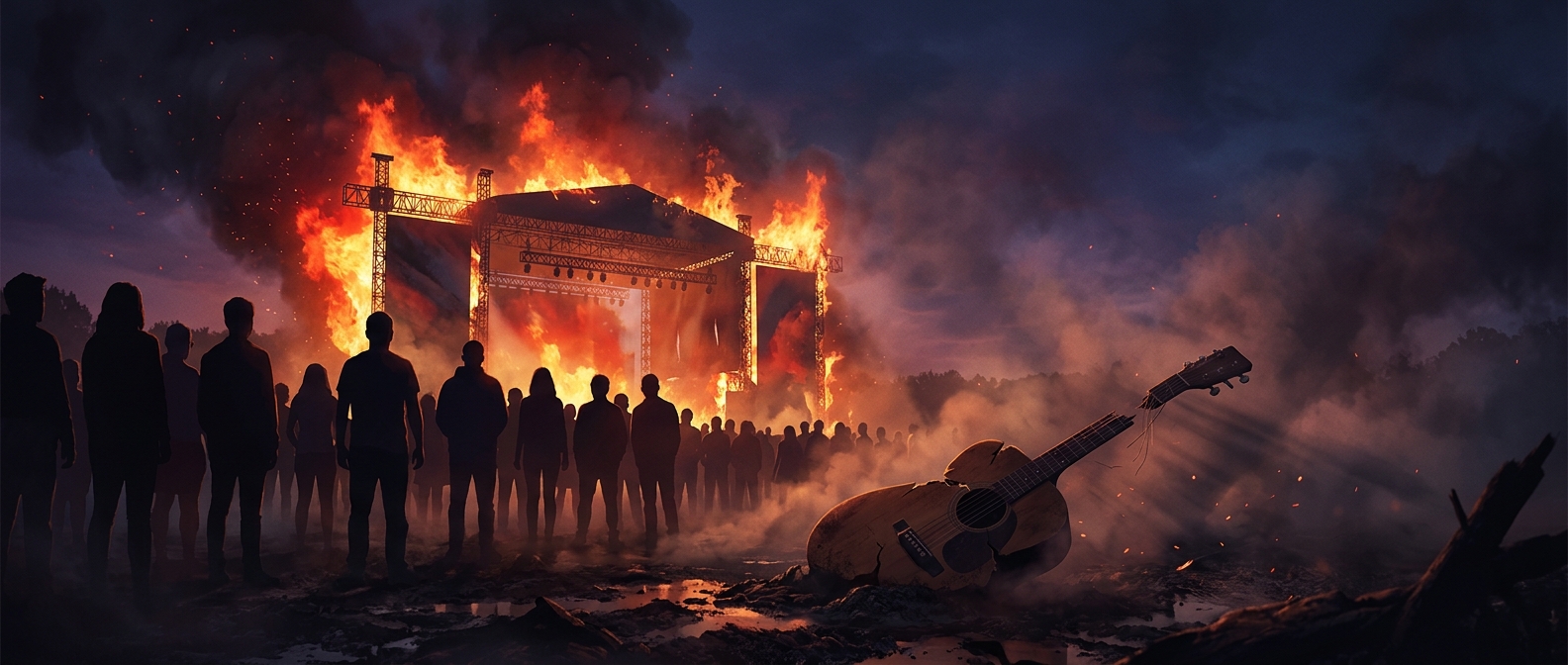
The pressure built over the festival rather than appearing all at once. Heat, crowding and complaints about prices strained an already demanding environment. As the event approached its end, disturbances escalated into looting and fires, including fires on the festival grounds. The weekend ended amid rioting and emergency efforts to manage the damage.
The fires became the defining images of Woodstock ’99, but they were the climax of a breakdown in crowd safety and trust—not simply a reaction to one performance or a single cause. When a huge crowd cannot reliably meet basic needs, ordinary frustrations can compound into a safety problem. Woodstock ’99 is remembered not just for its music, but for how quickly a festival’s conditions can shape what happens after the stage lights go on.