The Qutb as the spiritual world’s pivot
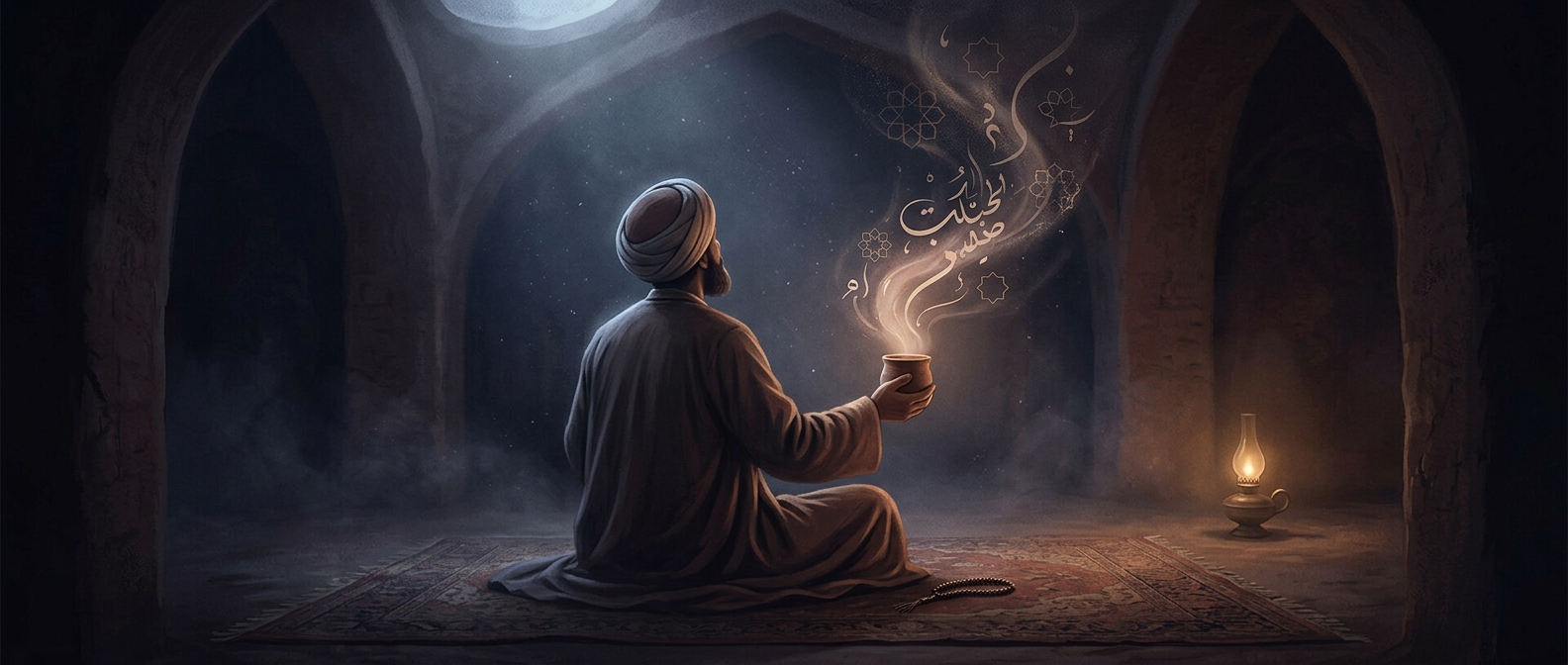
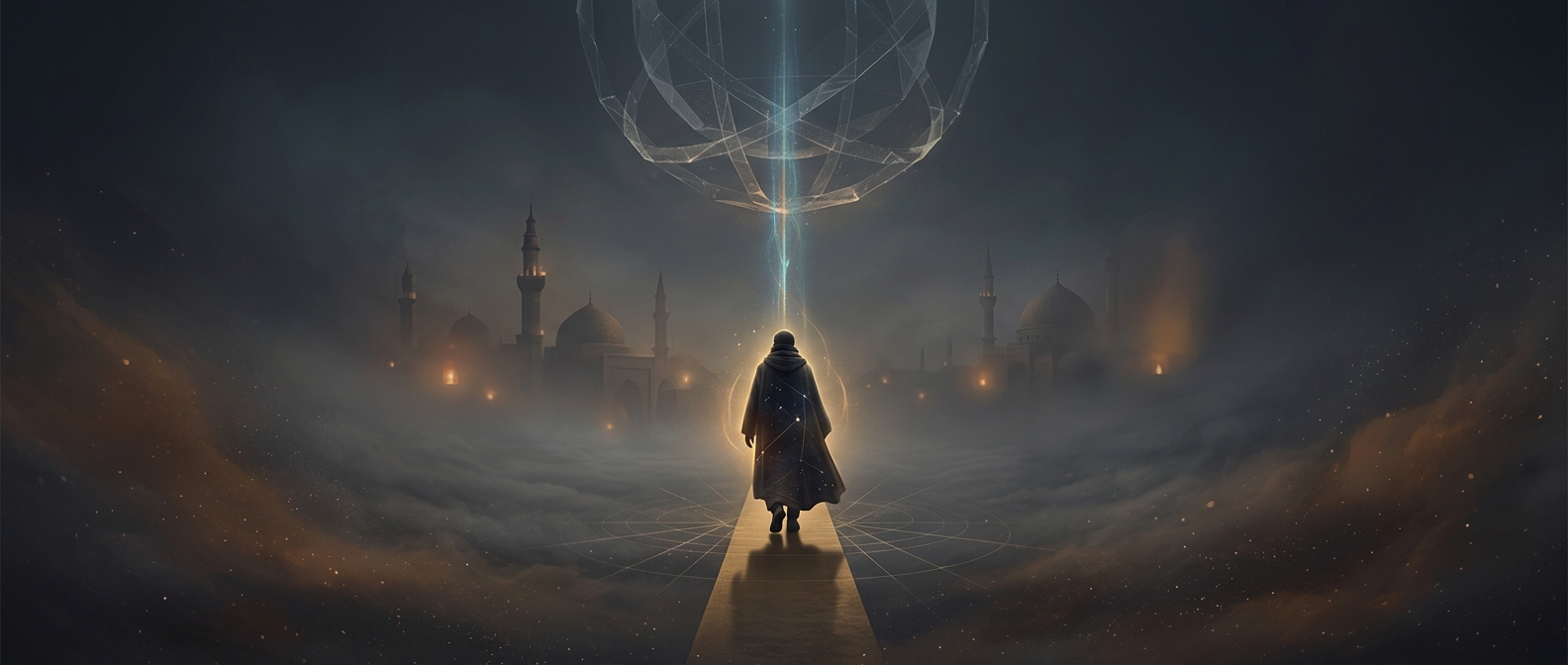
In some Sufi and Islamic mystical traditions, the Qutb—Arabic for “pole” or “axis”—is understood as the foremost spiritual guide of an age. The image suggests a fixed point around which an entire order turns. In this cosmology, the Qutb’s importance is not measured by public authority or fame; it lies in a hidden spiritual function that helps keep the world in balance.
The idea belongs to a larger account of unseen spiritual ranks. Mystics describe certain holy people as having roles known to God, even when ordinary observers cannot recognize them. Accounts differ, and the Qutb is a matter of religious belief, not a claim that can be verified by scientific observation.
Why the central figure remains unseen
Hiddenness gives the image its force. If the Qutb moved through ordinary life without displaying a special status, spiritual authority would not depend on a title, institution, or visible performance. The contrast is deliberate: the figure imagined as central to the world may look like anyone else in a crowd.
That contrast also turns the teaching toward humility. A person’s plain appearance cannot prove that they hold such a role—or that they do not. The Qutb is therefore less a public office to identify than a way of expressing a mystical conviction: the world’s deepest support may be present without announcing itself.