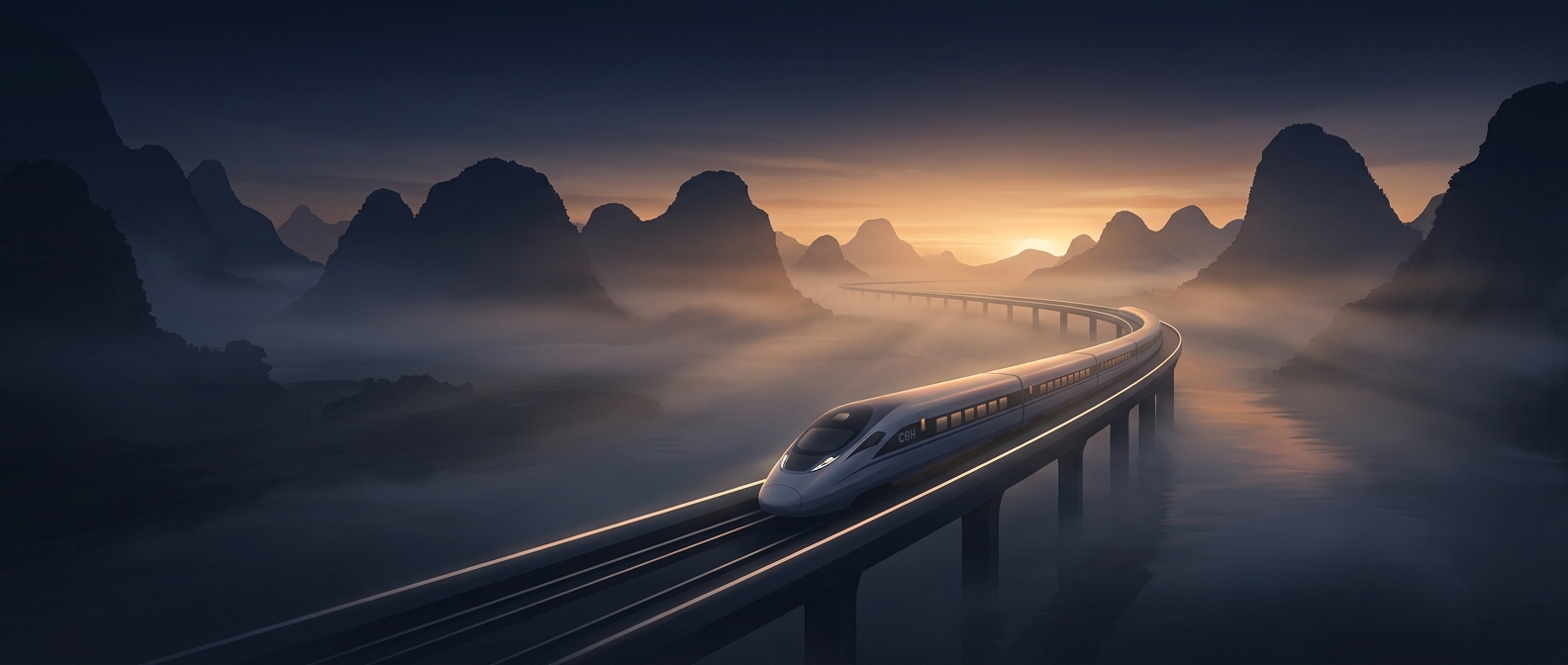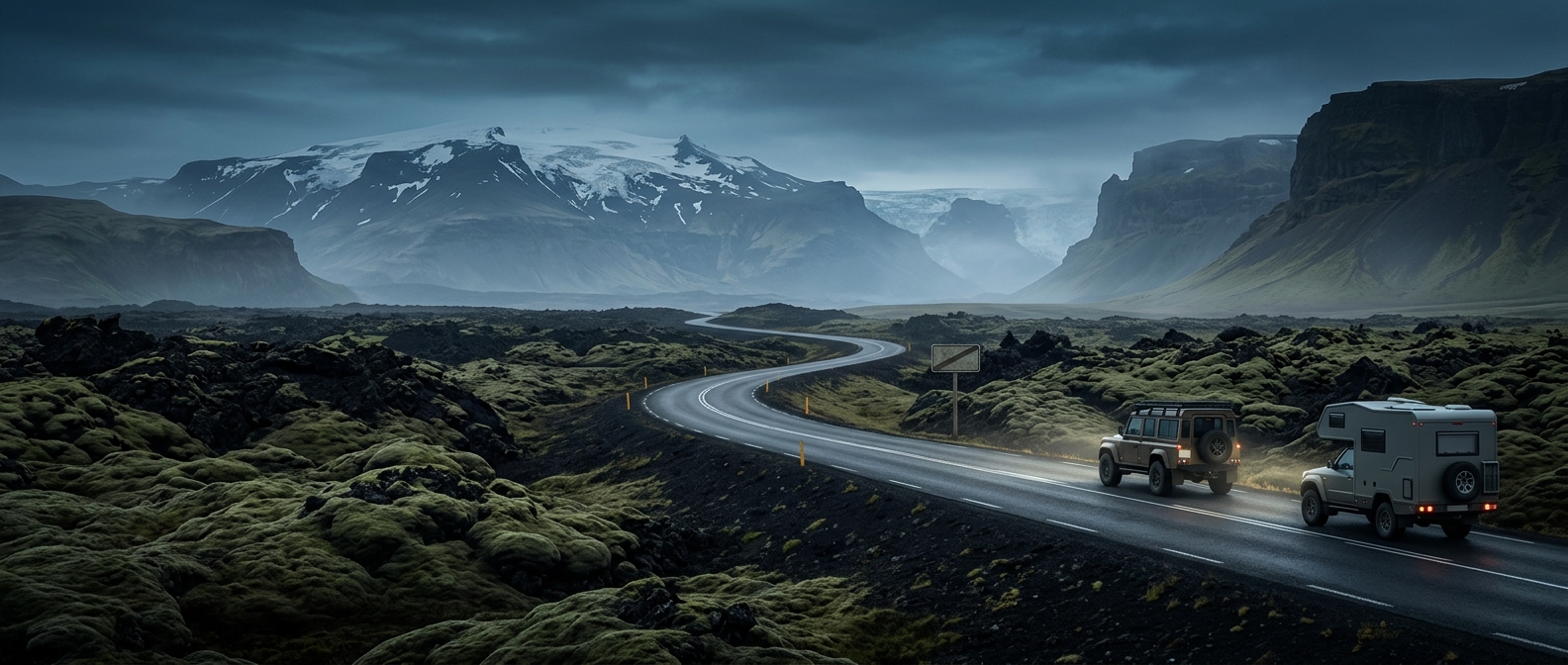
Why Iceland’s geography raises the price of rail
A railway works best when many people and goods travel repeatedly along the same corridor. Iceland’s population is small and concentrated in a few coastal towns, while much of the interior is mountainous, glaciated, or covered by rough lava fields. A track linking towns would have to cross difficult ground, and rivers, steep slopes, and unstable volcanic terrain can require costly bridges, tunnels, and ongoing maintenance.
The challenge is not simply that trains cannot cross rugged landscapes. It is that building a fixed route is hard to justify when relatively few travelers would use it—and when the island’s settlements do not form one dense line of cities.
Roads and aircraft fit different needs
Roads can bend around obstacles and reach farms, villages, and scattered attractions without requiring a continuous engineered corridor. That flexibility matters in a country where destinations are spread along the coast and travel conditions can vary sharply by season.
Aircraft, meanwhile, make long journeys between distant areas without building a ground route across the interior. They are useful for connecting remote communities, though they cannot replace the local access that roads provide. The result is a transport system built around roads, buses, and domestic flights rather than a public passenger railway.
A train line might move people efficiently on a busy, predictable route. Iceland’s geography and settlement pattern make it difficult to gather enough traffic onto one route to offset the cost of laying and maintaining the track.