A tiny chance can loom large
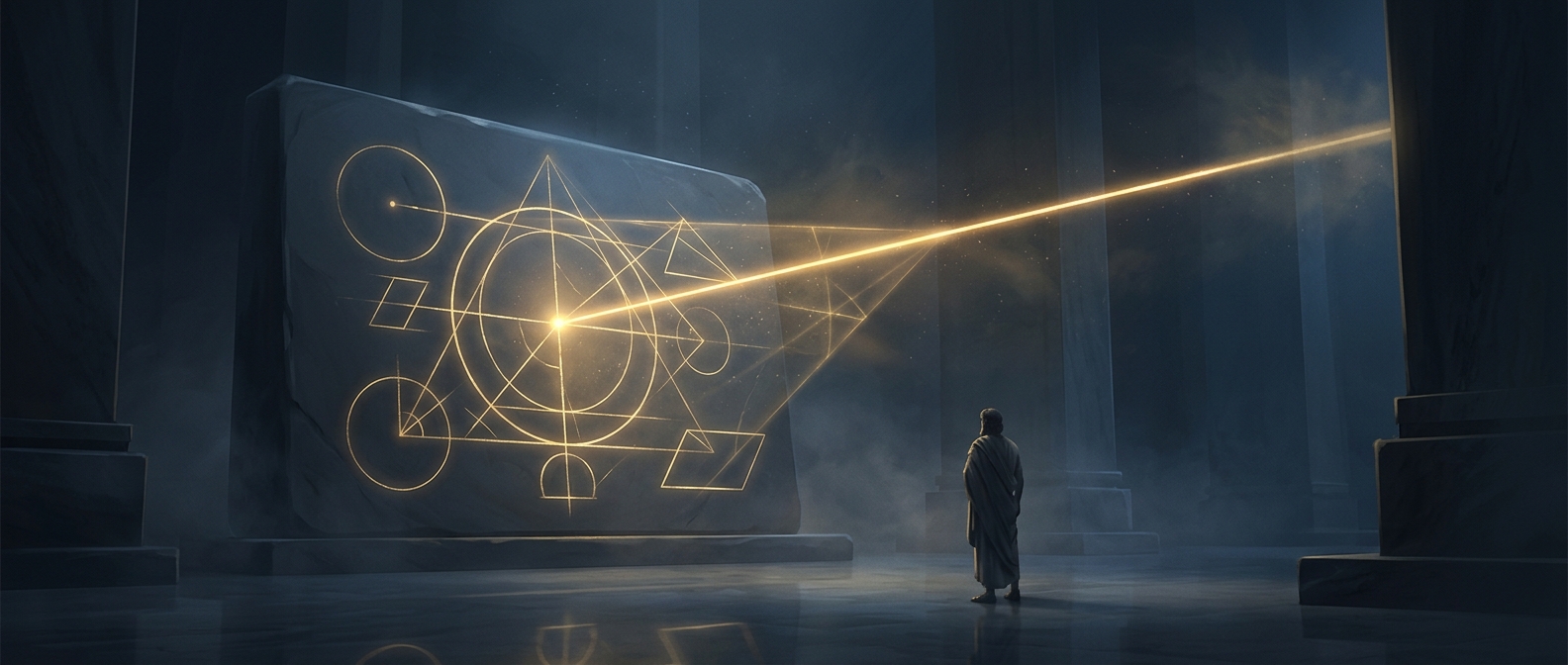
People do not experience probability as a perfectly scaled number. A chance that is very small may feel more substantial than it is, especially when the possible reward is enormous. Psychologists call this probability weighting: in some decisions, people give unlikely outcomes more mental weight than their odds warrant.
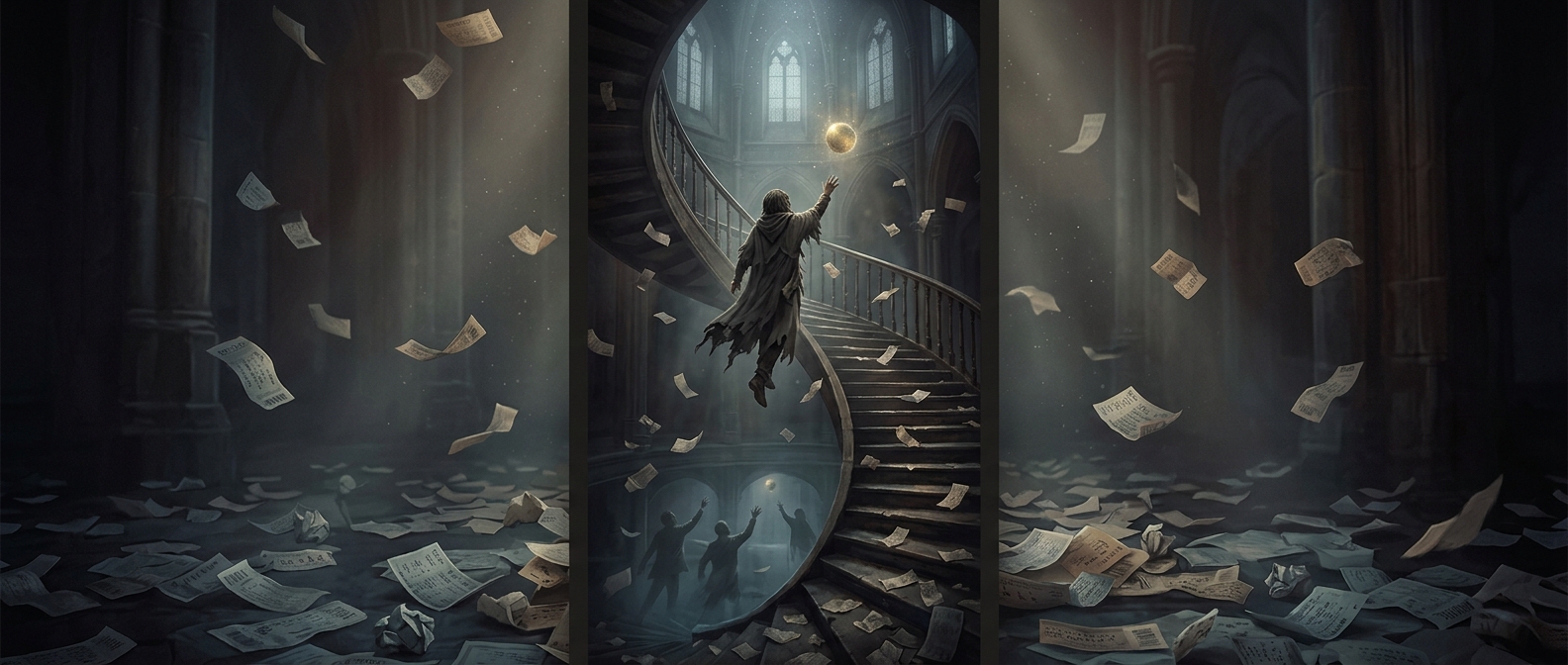
A jackpot also invites a vivid scene. It is easy to picture paying off a mortgage or leaving a job; it is harder to picture the many draws in which nothing happens. That imbalance can make the prize feel psychologically near even when it remains statistically remote.
The ticket buys more than a calculation
For a small price, a ticket can offer a short-lived chance to imagine a different life. That anticipation has value to some buyers as entertainment, separate from whether the ticket is a sensible way to make money. The imagined payoff may shape the decision more strongly than a cold comparison of cost and probability.
But imagining the win does not make it more likely. The draw follows its actual odds, and a huge prize does not erase the gap between a possible outcome and a probable one. The ticket can feel like access to a future; mathematically, it remains a wager whose appeal comes partly from how easily the mind can picture that future.