How chance reshapes a gene pool
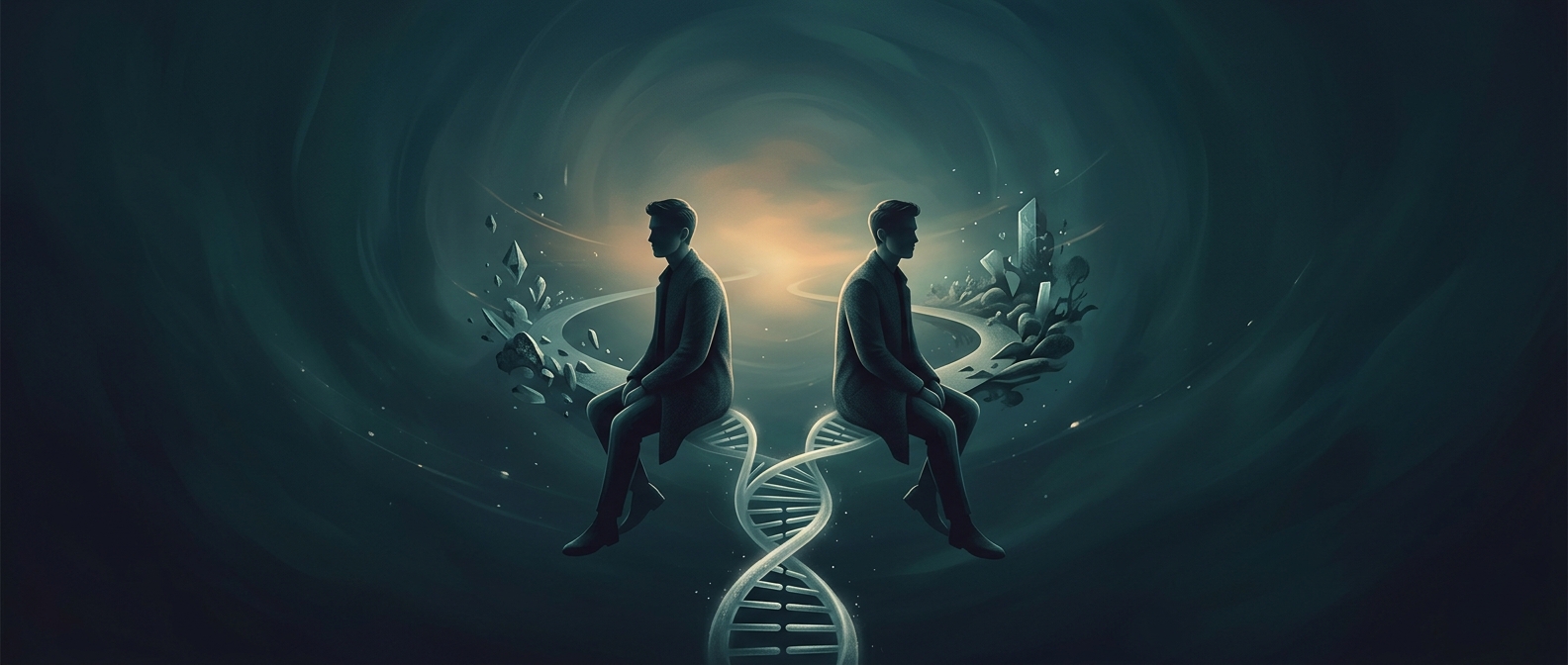
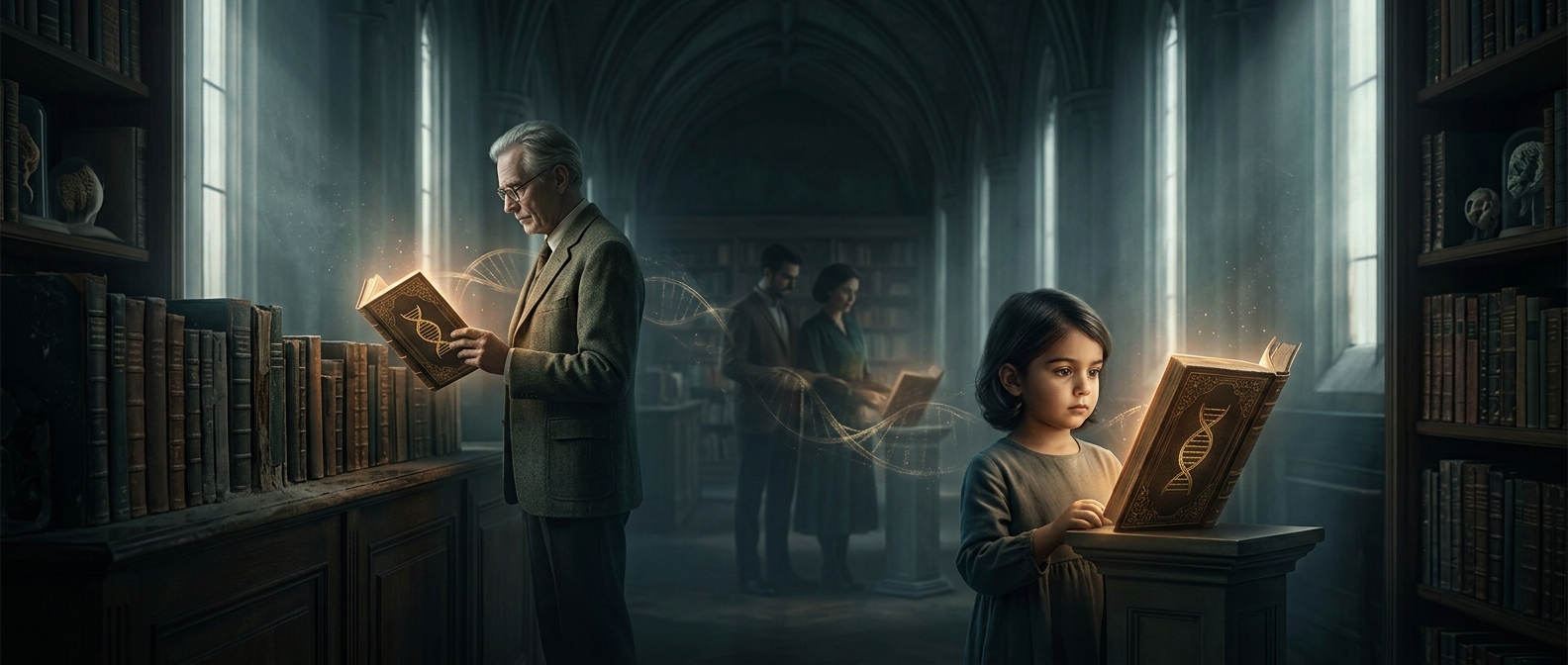
A population’s gene pool is the collection of gene versions—called alleles—carried by its members. When people have children, they pass on only some of the gene copies they carry. Which copies get passed along depends partly on chance: who has children, how many they have, and which inherited copies each child receives.
That random change in how common an allele is from one generation to the next is called genetic drift. It is not the same as natural selection. Selection favors versions that help carriers leave more descendants; drift can change a version’s frequency even when it has no effect on survival or reproduction.
Why small populations feel the lottery more
Imagine a small community in which only a few people carry a particular allele. If those people happen not to have children, or their children do not pass that allele on, it can vanish from the community. Nothing about the allele had to be harmful. Its carriers simply left no surviving copies in later generations.
In a larger population, the same chance loss is less likely to erase an allele all at once, because more copies are spread among more people. In a small one, each person’s family can make up a substantial share of the next generation, so random differences in family size have a bigger effect.
A lasting genetic footprint
Drift can also make an allele common by chance, including one that offers no special benefit. Once an allele is lost, later generations cannot inherit it from that population; once it becomes widespread, it can shape the population’s genetic makeup for a long time. Evolution does not always preserve the most useful version: sometimes the decisive event is simply which copies happened to be passed on.