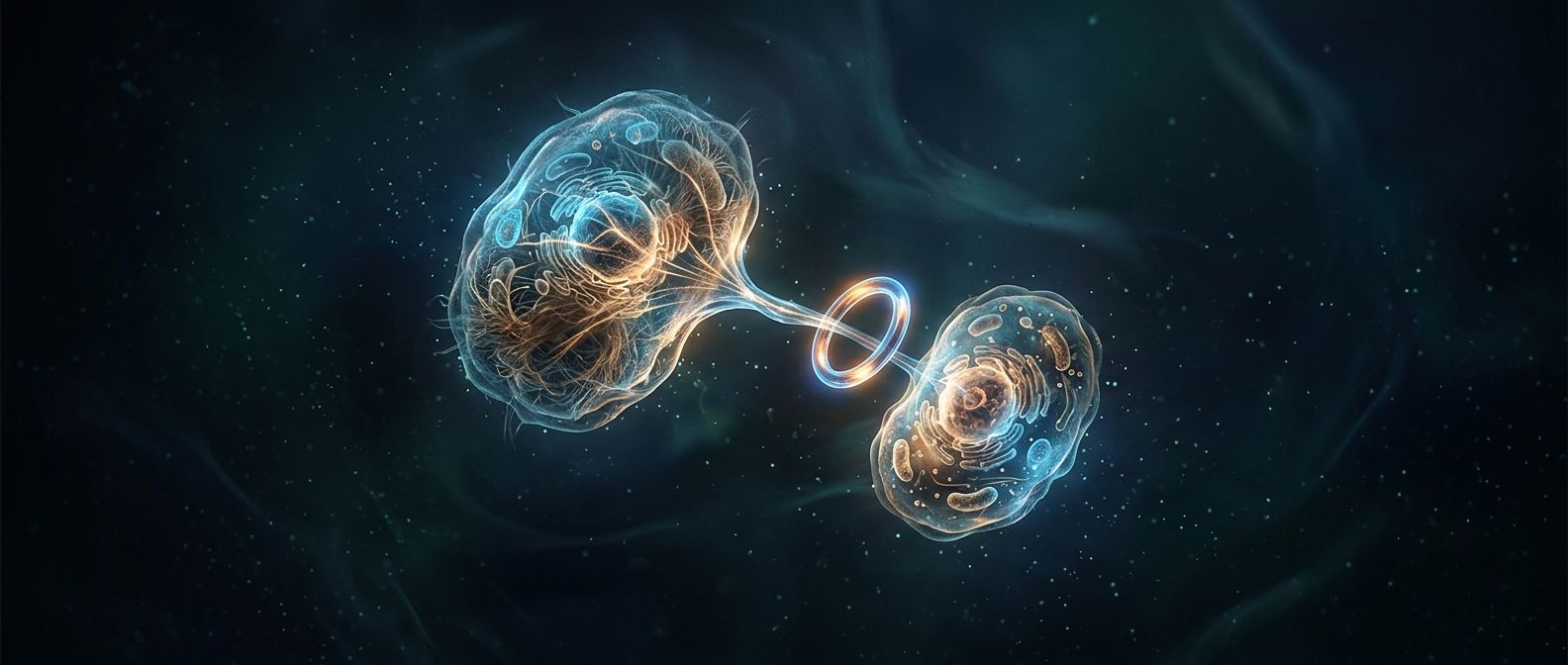
The same DNA can be read in different ways
A gene is a stretch of DNA that helps a cell make a particular molecule, often a protein. Having the same gene sequence does not mean two people’s cells use every gene in exactly the same way. Cells switch genes on or off, or adjust how actively they use them, in response to signals from inside the body and the surrounding environment.
One mechanism is epigenetic change: chemical tags and related controls that affect gene activity without changing the underlying DNA letters. Some of these patterns can shift with age, exposures, and ordinary differences in how cells develop. Because they influence which instructions a cell follows, they can contribute to differences in traits such as metabolism or susceptibility to disease.
Small differences accumulate
The environment is not perfectly matched even before birth. Twins may receive different amounts of nutrients or blood flow, and after birth they encounter distinct illnesses, habits, relationships, and experiences. Meanwhile, cells copy themselves again and again. Copying is highly reliable, but occasional DNA changes can arise in some cells, leaving one twin with a mutation that the other does not have in the same tissues.
These differences do not rewrite a twin’s entire identity, and a change in gene activity does not necessarily produce a visible effect. Many traits reflect numerous genes working together with development and experience. The result is a gradual divergence, not a switch from “identical” to wholly different.
Similarity is not shared experience
Twins can resemble each other closely because they start with much of the same biological material and often grow up in comparable circumstances. But each brain develops through its own stream of sensations, memories, and choices. A shared genetic starting point can shape tendencies; it cannot supply another person’s thoughts or memories.
That is why even a striking resemblance can coexist with distinct bodies and personalities: the DNA provides a common starting set of instructions, while development determines how those instructions are used, cell by cell.