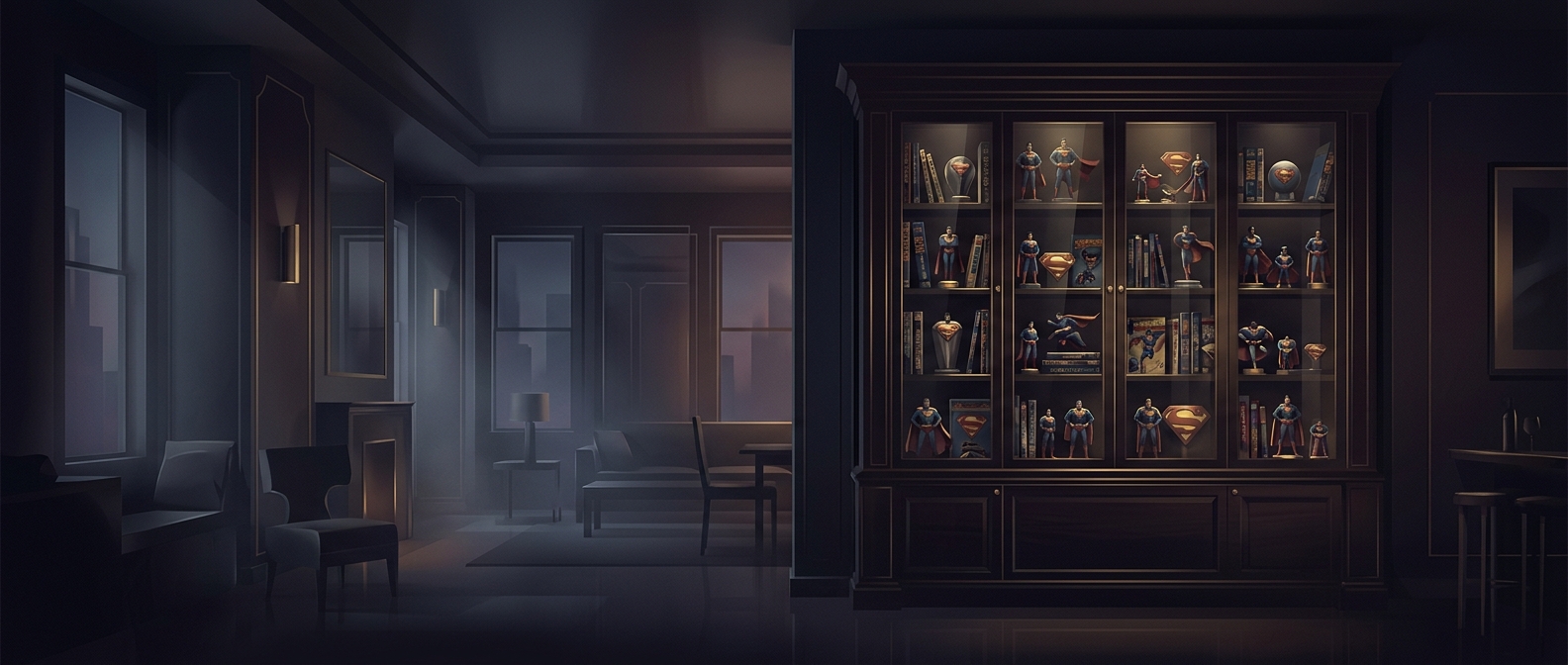
A Superman movie that collapsed at the starting line
Nicolas Cage’s reported $20 million payment is striking because the Tim Burton Superman film never reached production. Cage had been cast as the hero, but a movie can move far enough through Hollywood’s development process for major deals and preparations to be in place—and still be canceled before cameras roll. The payment reflected a contractual commitment, not a finished performance on screen.
How a film can be real before it exists
Studios often spend years developing a project: hiring a director and actors, commissioning scripts, and preparing designs and schedules. Those steps create costs and obligations before filming begins. But they do not guarantee that the studio will ultimately approve the production. Budgets, creative disagreements, and changing business priorities can stop a film late in the process.
That gap between commitment and completion is what makes this project unusual. Cage was paid to portray Superman under the deal, even though the planned movie was abandoned just weeks before production was due to begin. The audience never saw the role, but the contractual work had already reached a point where cancellation did not simply erase the financial commitment.
A very different Superman on paper
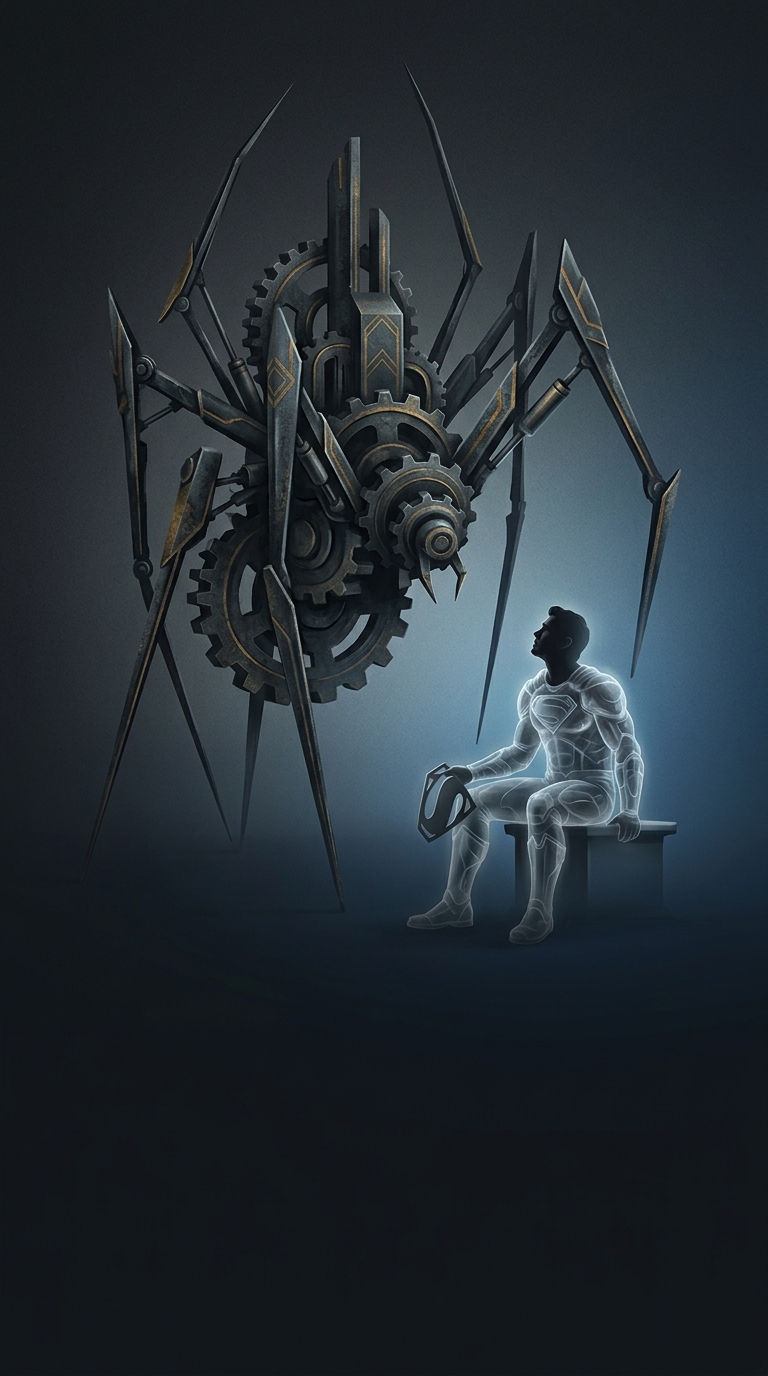
The film’s planned imagery also shows how far it might have departed from familiar versions of the character. Its script called for Superman to battle a giant mechanical spider and wear glowing, translucent armor. These were not details from a completed film; they belonged to a version that remained on paper and in development.
That distinction is the lasting oddity: a major star could be paid for a legally agreed role in a film that never existed as a finished movie, while its most memorable visual ideas survived only as glimpses of what audiences almost saw.