How a Radio Drama Became a Newspaper Scare
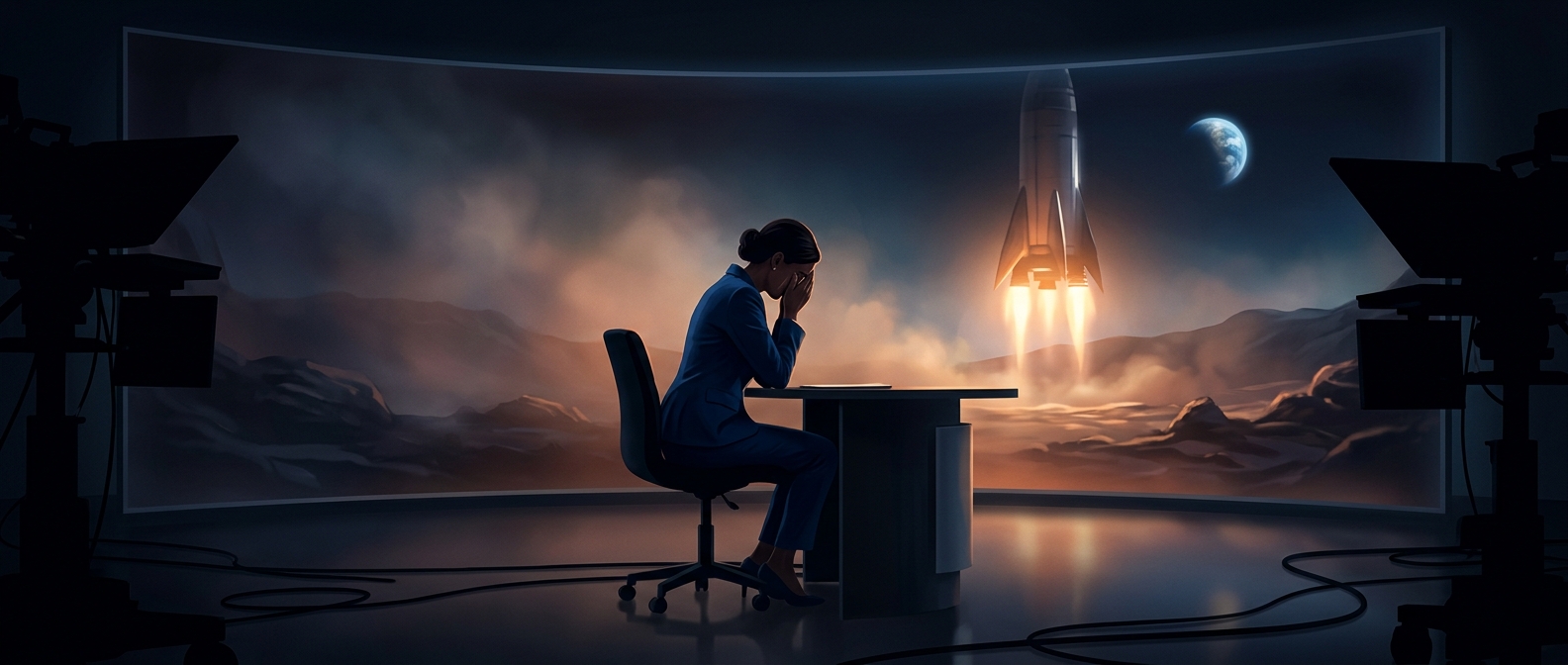
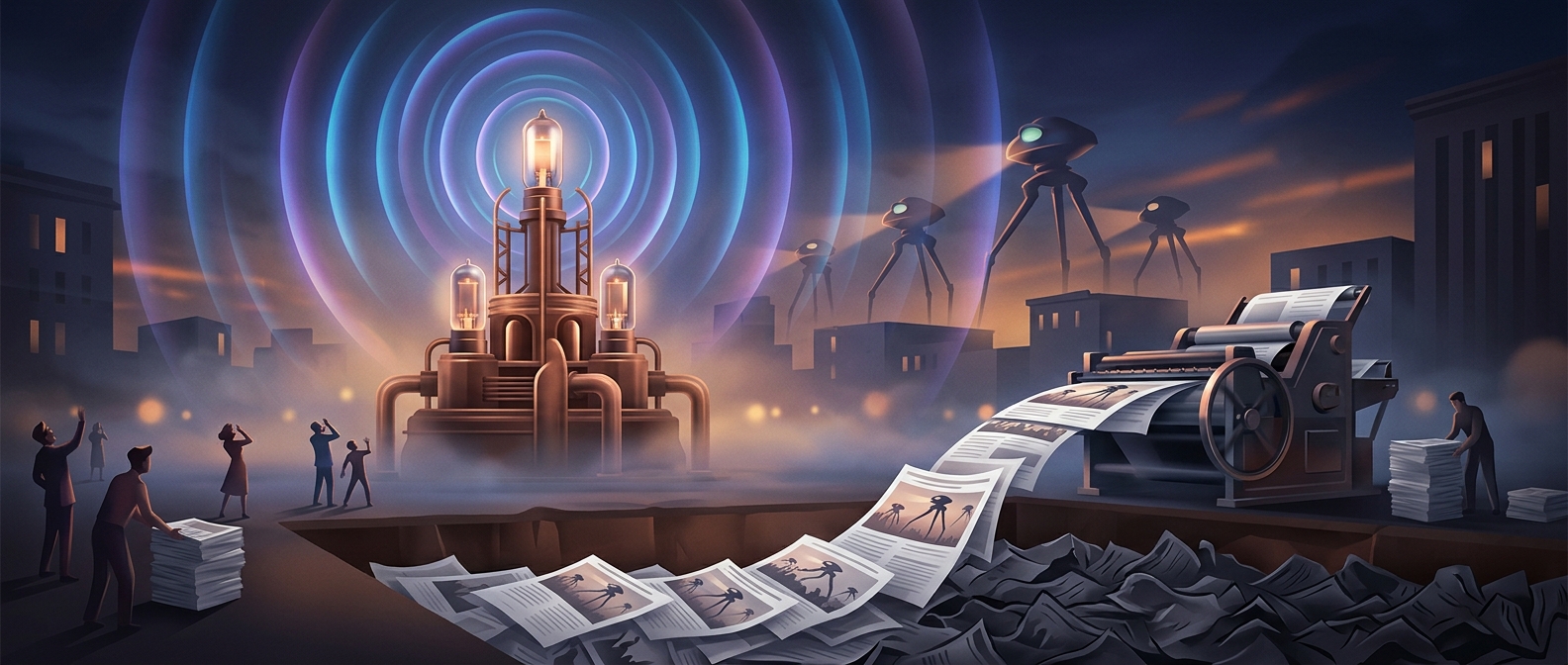
The broadcast’s realism gave newspapers a ready-made story. The War of the Worlds presented its fictional invasion through simulated news bulletins, and listeners who tuned in after the opening could mistake the performance for actual reporting. Some people were confused or alarmed; that is different from a countrywide wave of panic.
Newspaper accounts often blurred that distinction. A worried caller or a family trying to check what was happening could be vivid evidence of individual confusion, but it could not establish how widespread the reaction was. Reports that framed such incidents as mass hysteria, riots, or suicides turned scattered episodes into a much larger public drama.
The Competition Behind the Coverage
Radio was becoming a powerful source of news and advertising, putting it in direct competition with newspapers. That rivalry gave papers an incentive to emphasize the danger of trusting radio: a dramatic account of listeners being misled could make the new medium look careless and the newspaper look like a steadier source of verification.
That does not mean every report was fabricated or that every editor acted from the same motive. The useful distinction is between real confusion among some listeners and claims that inflated its scale. In retelling the broadcast, newspapers did more than describe a reaction—they helped define it as a national panic, a story far bigger than the evidence of individual callers could show.