From a pile of messages to a stream of interruptions
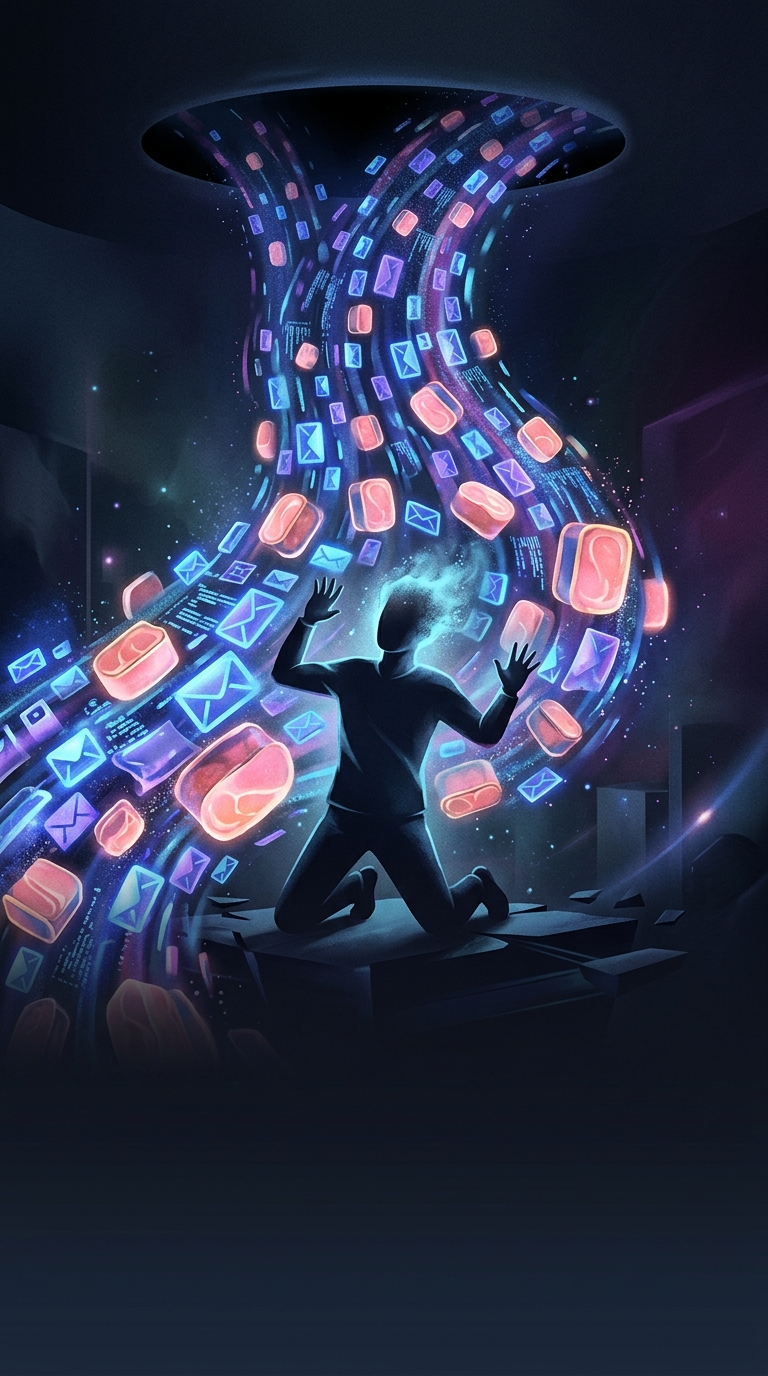
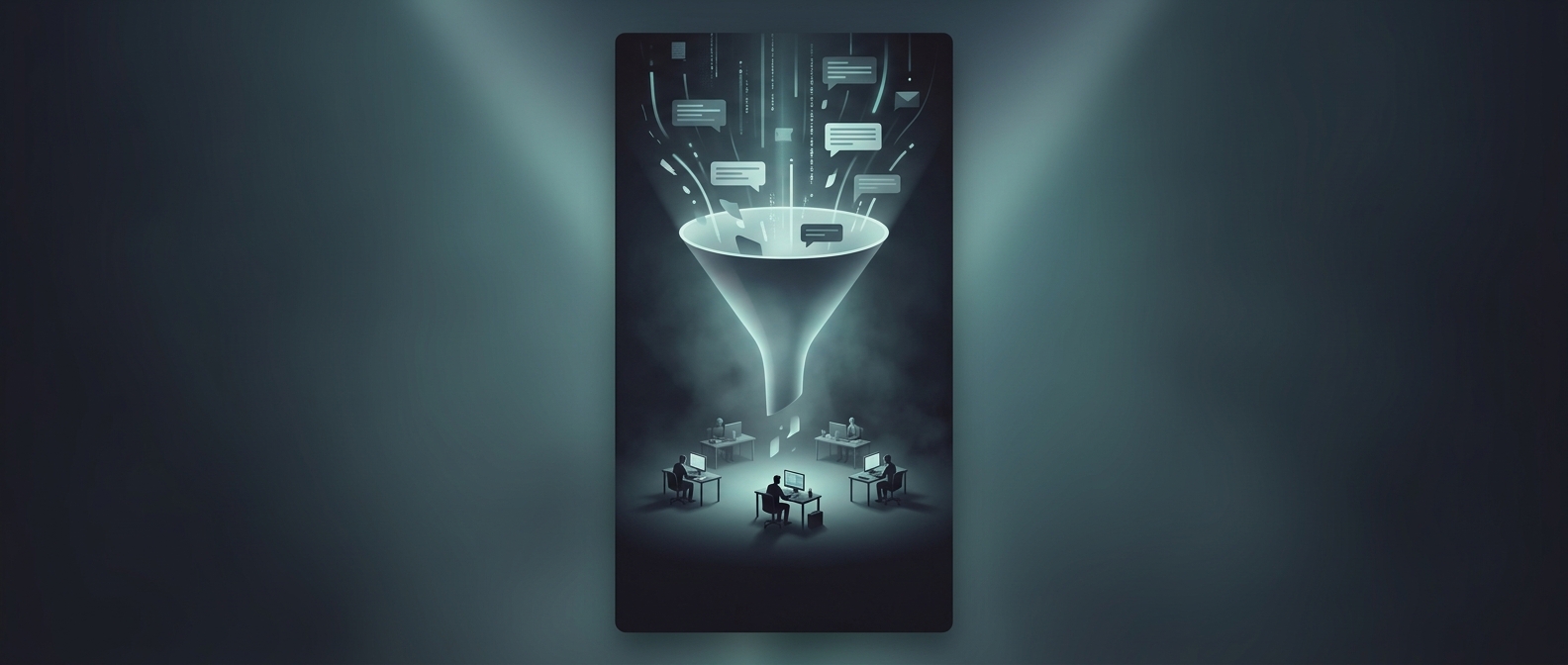
Email tends to collect work into a visible queue: you open the inbox, scan what arrived, and decide what to handle. Workplace chat changes the rhythm. Messages arrive in shared channels and direct conversations throughout the day, so the work can feel less like a backlog and more like a stream that keeps asking for attention.
That shift matters even when each message is trivial. A notification pulls attention away from the task at hand; checking it then requires figuring out whether it needs a reply, can wait, or is merely background chatter. The interruption is not just the sound—it is the small decision the sound demands.
Why a cheerful sound can feel like a knock
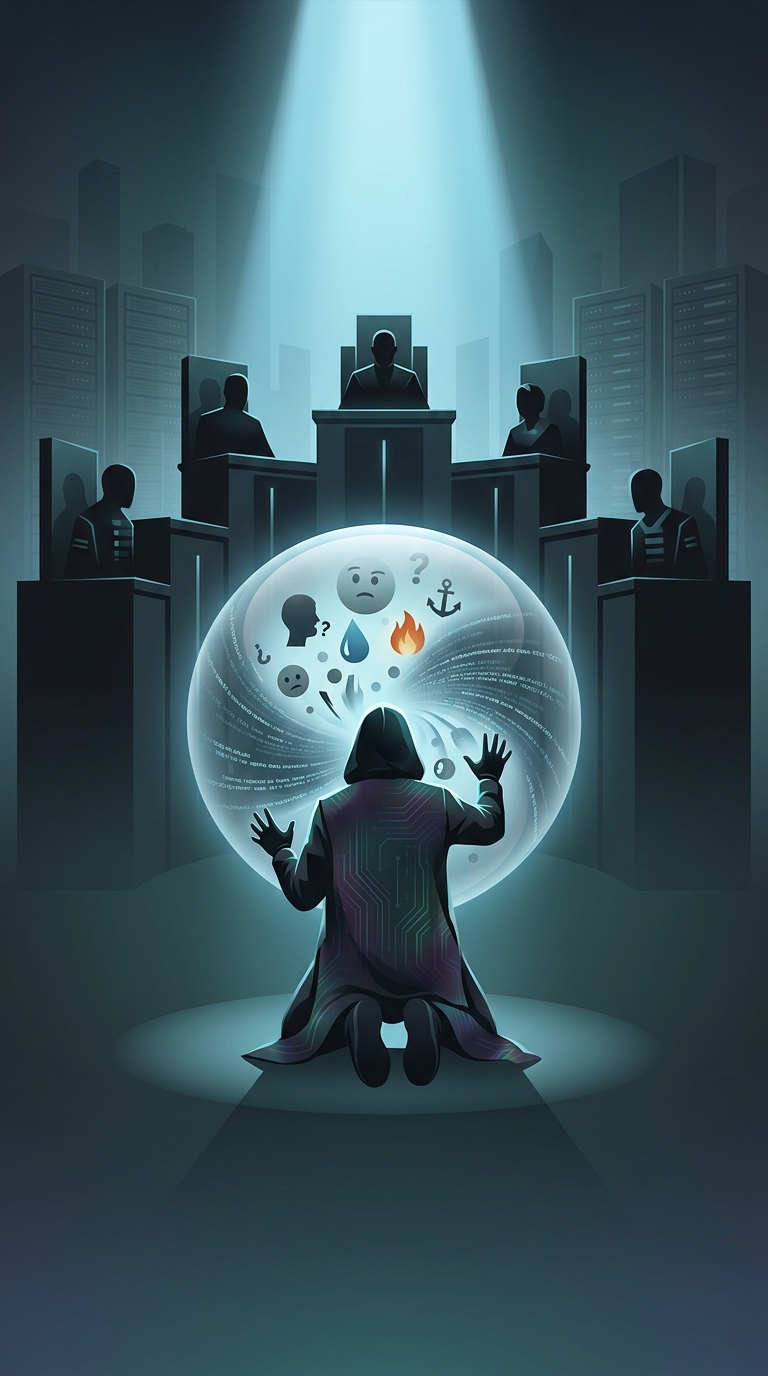
A chime is a cue that something has happened, but it usually does not say how important it is. That uncertainty encourages people to check, especially when a message might contain a request or a decision. If alerts arrive often, the cue can become a source of tension: each one might be harmless, but none can be dismissed in advance.
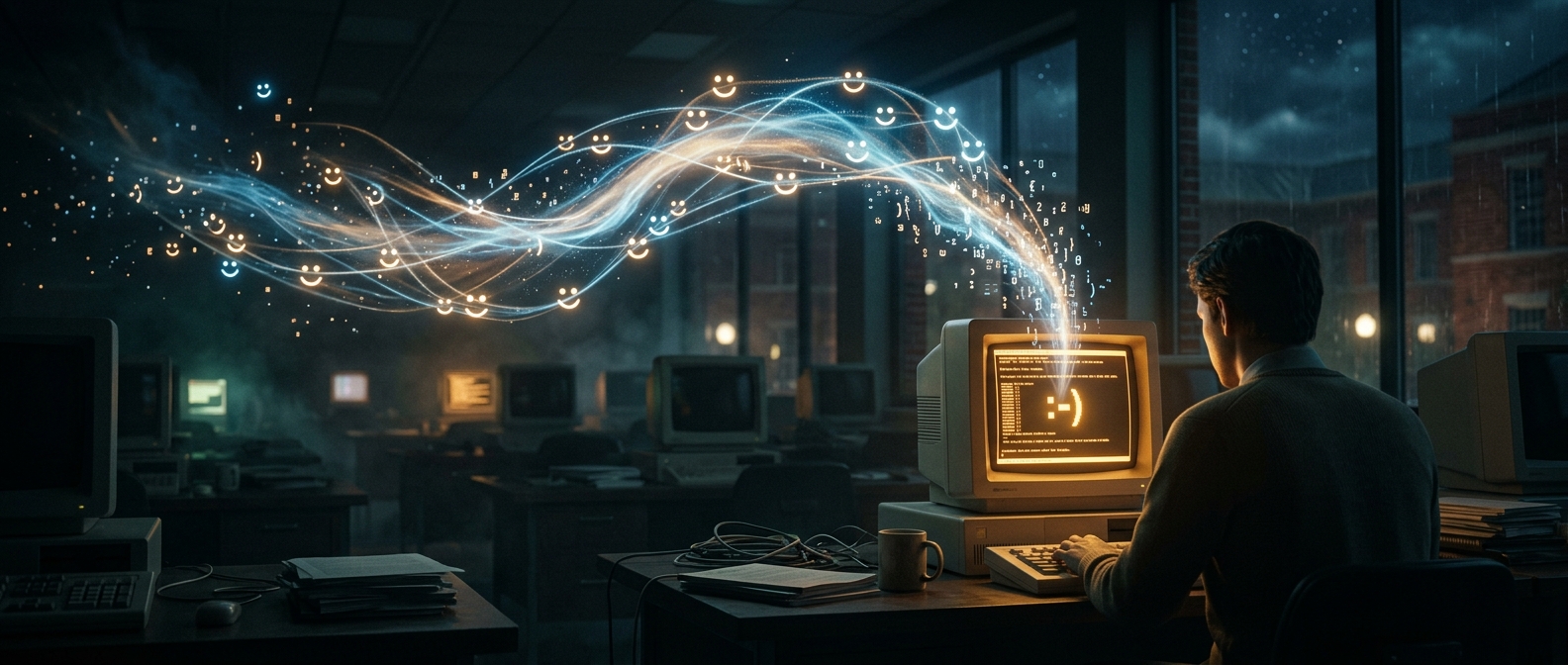
Colorful GIFs and playful reactions can soften the tone of workplace messages. They make a chat feel more human, but they do not change the underlying pace or tell a worker which alert deserves immediate attention. A friendly interface can therefore coexist with a demanding stream of interruptions.
The anxiety moves with the work
Chat can reduce the formality and delay of email, while making availability feel more continuous. The practical tradeoff is not simply a cheerful tool versus a dreary one; it is a shift from managing a queue to managing attention in real time. When every ping seems potentially relevant, even a playful conversation can leave someone listening for the next knock.