How ATP makes cellular work possible
A cell cannot use food’s energy all at once. Instead, it transfers some of that energy into ATP, a small molecule that can deliver it where work is needed. When ATP is converted to ADP and a free phosphate, the reaction can be coupled to a task—such as changing a protein’s shape or moving a substance across a membrane. The phosphate may attach to the working molecule, altering its behavior and helping drive the task forward.
This coupling is the key: ATP does not simply spill energy into the cell. Its breakdown helps make otherwise-unfavorable reactions proceed. Muscle contraction, for example, depends on ATP binding to and then being broken down by motor proteins; membrane pumps use it to move ions against their natural flow.
Recharging depends on the cell’s fuel
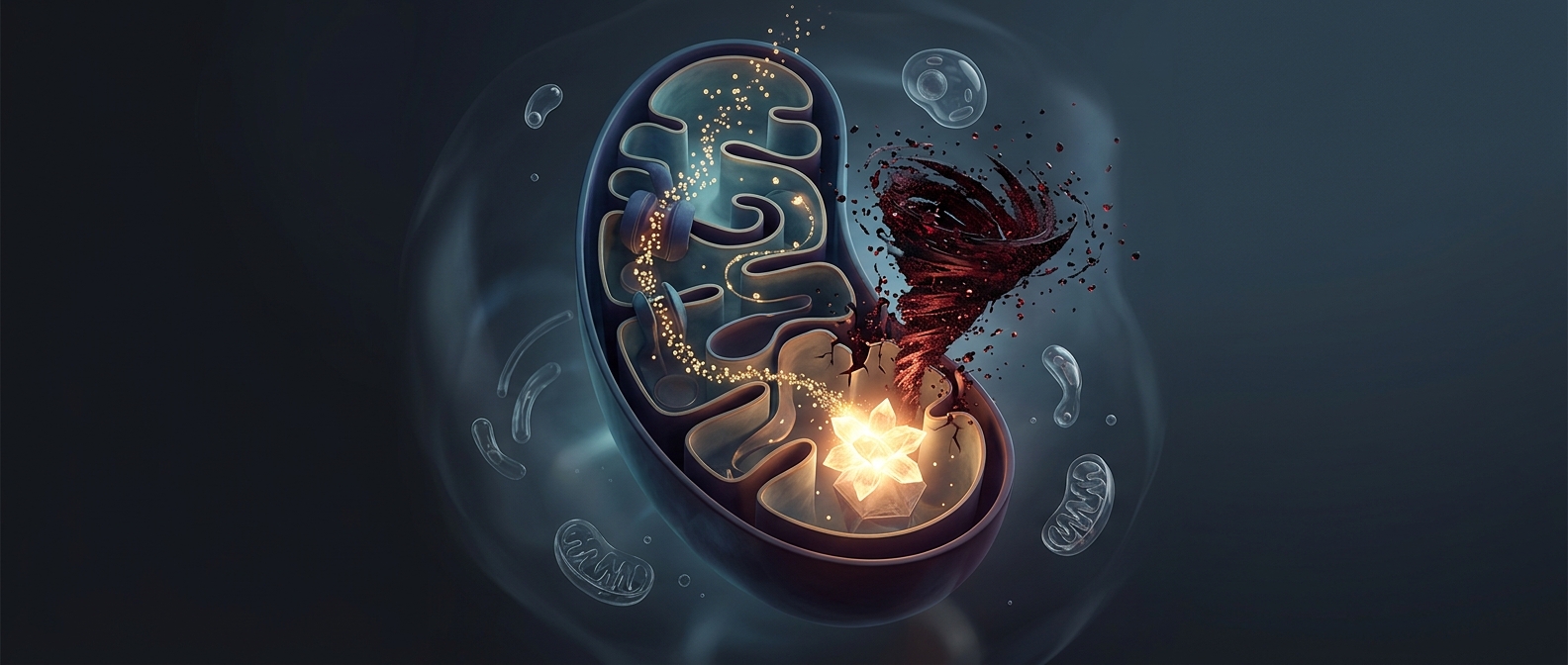
ADP is not waste. Cells restore it to ATP by attaching another phosphate, using energy obtained from nutrients. In many cells, the largest share comes from cellular respiration: chemical reactions extract energy from food, and mitochondria use it to build ATP. Some ATP is also made directly during earlier steps of breaking down glucose, outside the mitochondria.
The details vary with the organism and the cell’s circumstances, but the basic arrangement is the same: energy from food is captured in a form that can be spent in small, controlled transactions. When demand rises, as it does in working muscle, ATP is used and rebuilt rapidly.
A currency, not a long-term savings account
Cells keep only a limited supply of ATP ready to use; they rely on continual recycling rather than storing a huge reserve. That makes ATP more like cash moving through a busy household than fuel sitting in a tank: it is valuable because it can be handed directly to many kinds of cellular machinery.
The same ATP molecule can be broken down and rebuilt repeatedly. Its importance lies not in lasting forever, but in linking the energy released from food to the countless small jobs that keep a cell alive.