Why gene counts don’t measure complexity
A protein-coding gene is a stretch of DNA that cells use as instructions for making a protein. By that measure, humans and microscopic roundworms each have roughly 20,000 genes. The count is useful, but it is not a tally of body parts, abilities, or biological sophistication: one gene does not correspond to one protein or one trait.
The same instructions can be used in different ways
Cells control when a gene is switched on, where it is active, and how much of its product they make. A gene used in a nerve cell, for example, may be quiet in a skin cell. Those differences help cells with the same DNA develop distinct jobs and form tissues.
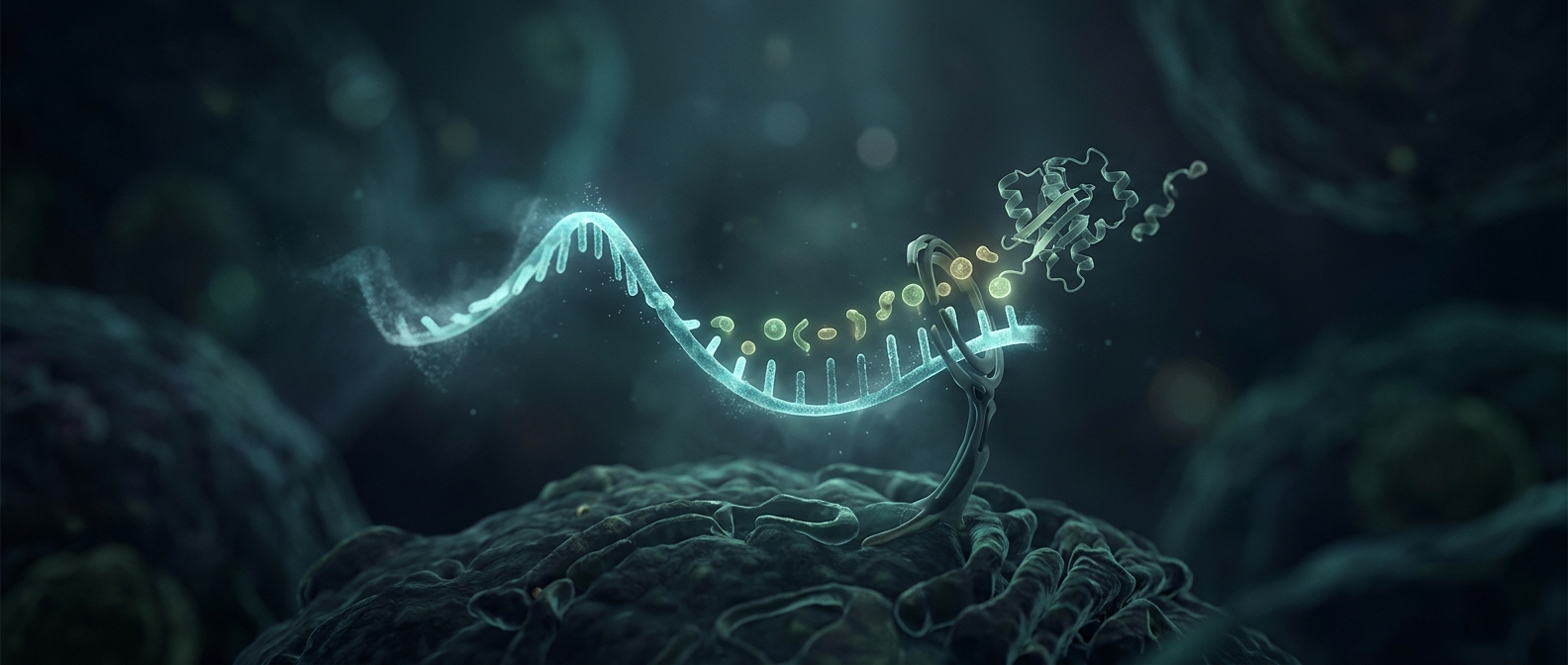
Cells can also edit the first RNA copy made from a gene, joining different segments to produce different versions of the instructions. This process, called alternative splicing, lets one gene contribute to more than one protein. Proteins may then be modified or work alongside other molecules, adding further layers of variation.
Complexity comes from the network
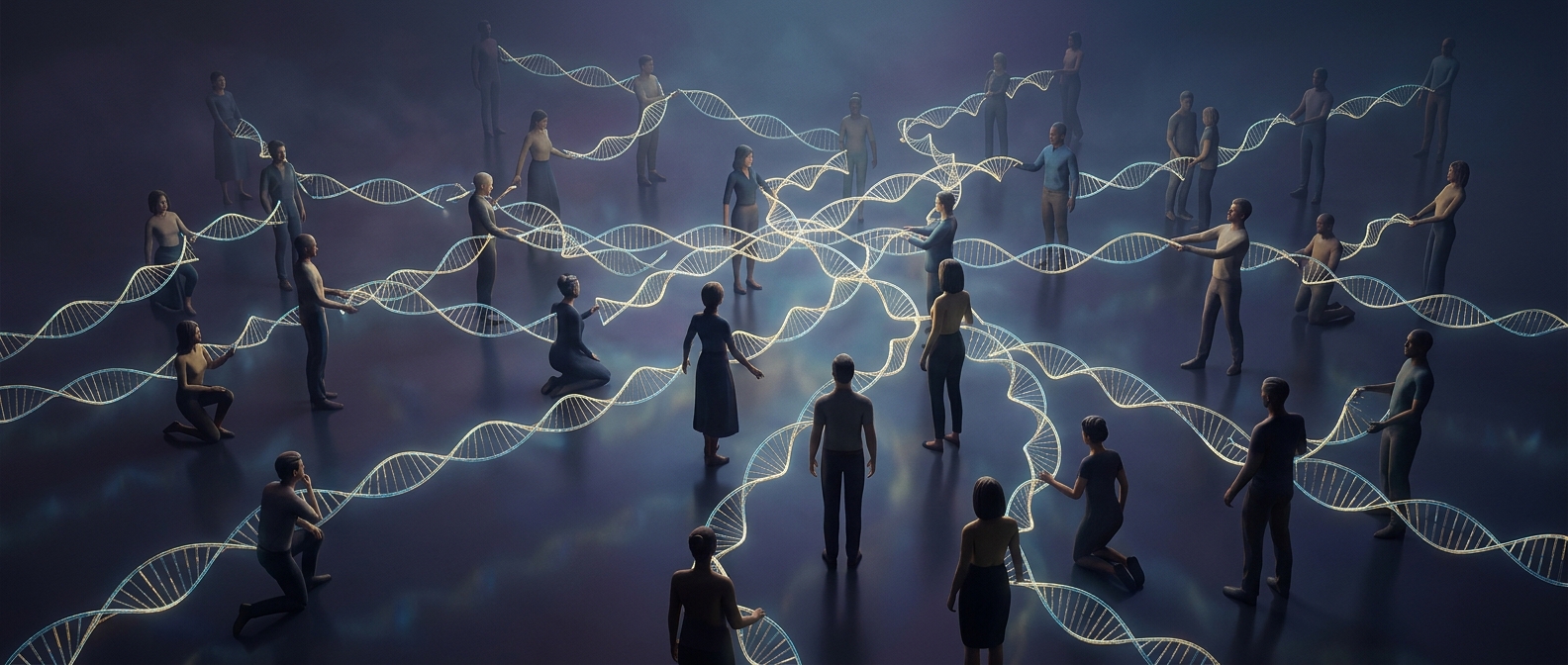
What matters is not just how many genes an organism has, but how their activity is coordinated across cells and over time. A small change in when or where a gene is active can affect how tissues form; interactions among proteins and other cell components shape what those tissues do. The similar gene totals are therefore a reminder that counting genes is like counting ingredients without knowing the recipe: the number alone cannot tell you what the finished organism will be like.