What Swedenborg meant by “judgment”
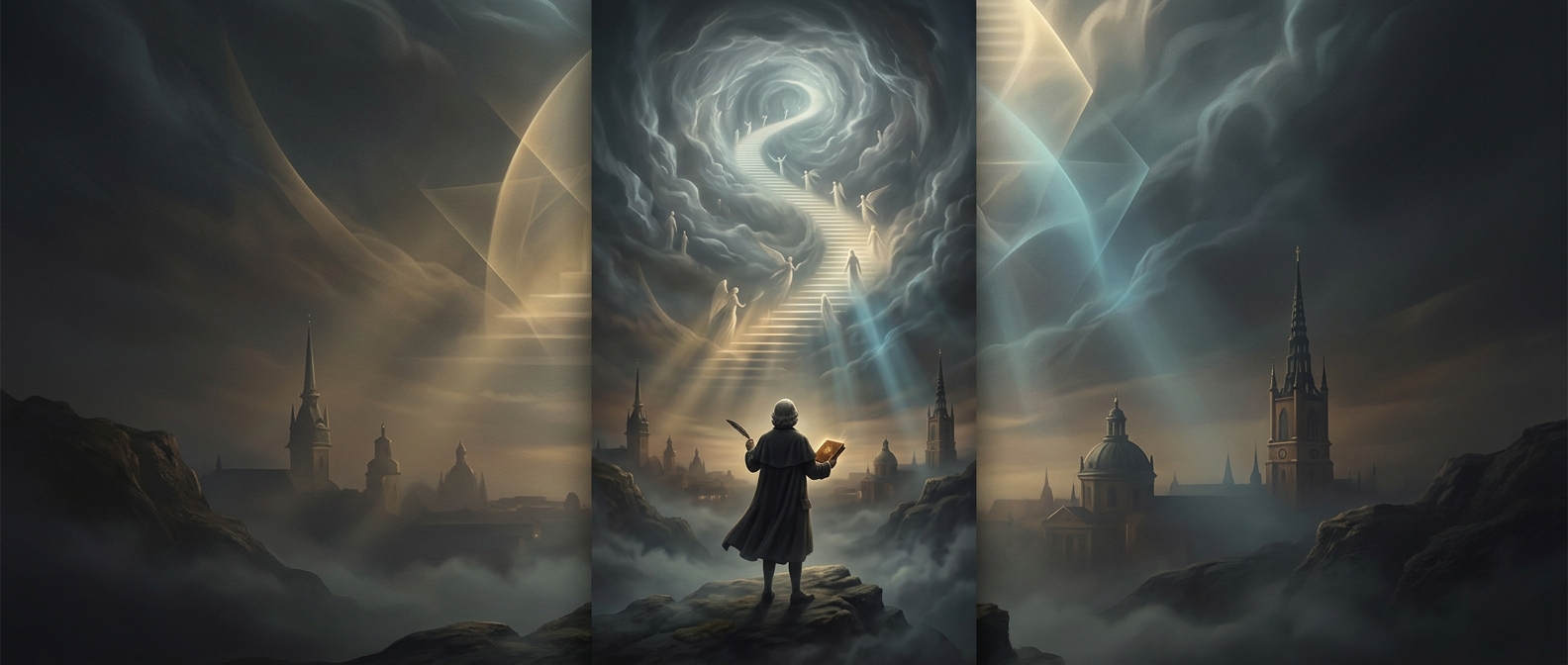
For Emanuel Swedenborg, the Last Judgment was not the physical destruction of Earth or a final courtroom scene for all humanity. He described a judgment in the spiritual realm, where people’s inner character became clear after death and spirits were separated according to what they loved and chose.
In his theological account, communities of spirits could also form a kind of “heaven” that appeared orderly but concealed selfishness or false belief. Swedenborg said the 1757 judgment exposed and dismantled such a false spiritual order, making way for a new one. He saw it as an event with consequences for the living, though the upheaval itself was invisible on Earth.
Why he placed it in 1757
Swedenborg said he had been allowed to observe events in the spiritual world and later described them in The Last Judgment, published in 1758. The date marked, in his view, the completion of a divine process—not a prediction that the calendar year would bring a worldly catastrophe. His account belonged to a larger belief that spiritual history moves through successive religious eras, each of which can reach a point of judgment and renewal.
That distinction explains how he could claim the Last Judgment had already happened while ordinary life continued. The event he described was real within his spiritual cosmology, but deliberately located beyond the reach of physical observation.