From Stagecoach Guard to Front-Seat Claim
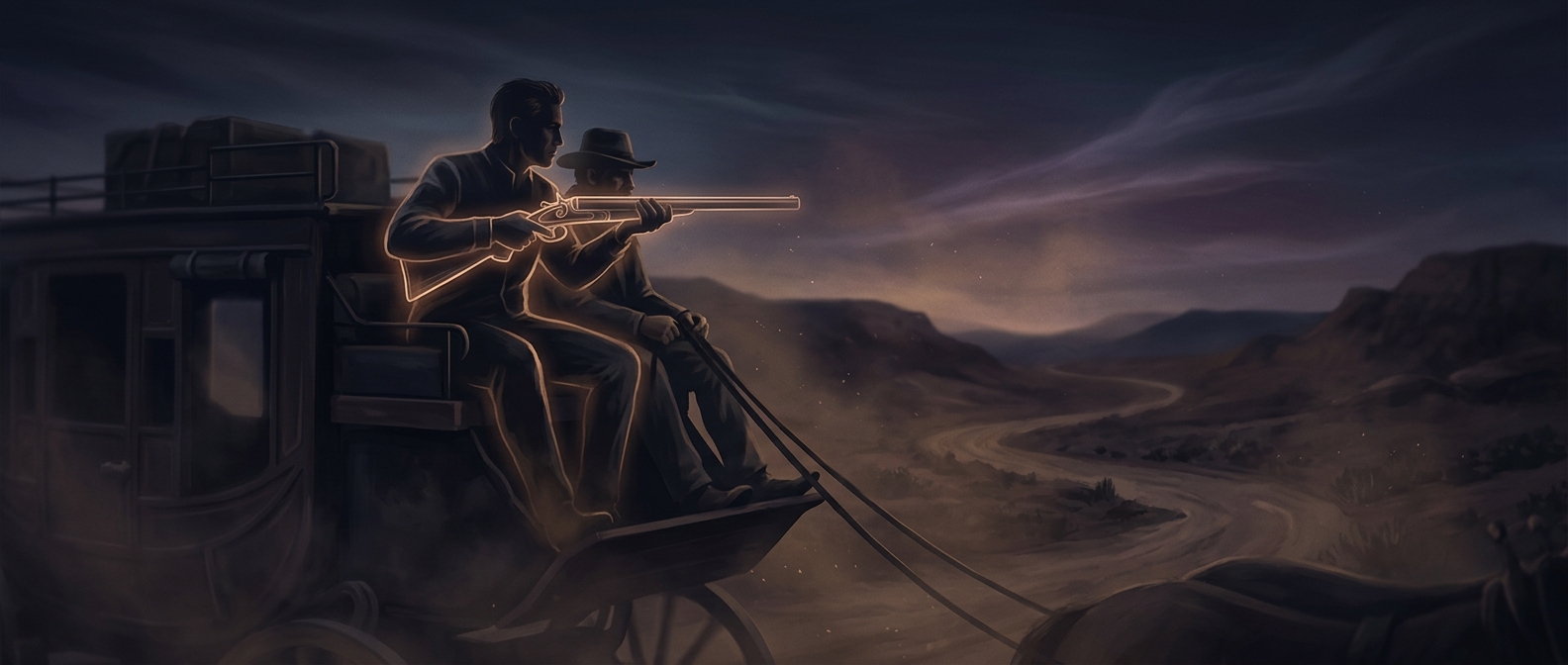
On a stagecoach, the driver’s job was to control the horses and keep the vehicle moving. A guard riding beside the driver could watch the road and respond to danger without leaving the coach’s cargo or passengers unprotected. “Riding shotgun” described that armed companion’s role—not simply a preference for sitting up front.
The position made practical sense: the driver needed both hands and attention for the reins, while a second person could keep watch. The guard’s presence also offered protection for valuable cargo and passengers on routes where robbery was a concern.
How the Job Became a Seat
When stagecoaches gave way to cars, the old duty disappeared, but its language traveled with the vehicle. The passenger seat beside the driver occupied a similar place, so “riding shotgun” became a playful way to claim it. In ordinary use, the phrase no longer implies a weapon or a real security assignment.
That shift is why the expression sounds more dramatic than the action it describes. A passenger calling shotgun is borrowing the name of a dangerous old job to settle a very small modern contest: who gets the seat next to the driver.