Why the window seat can mean more sun exposure
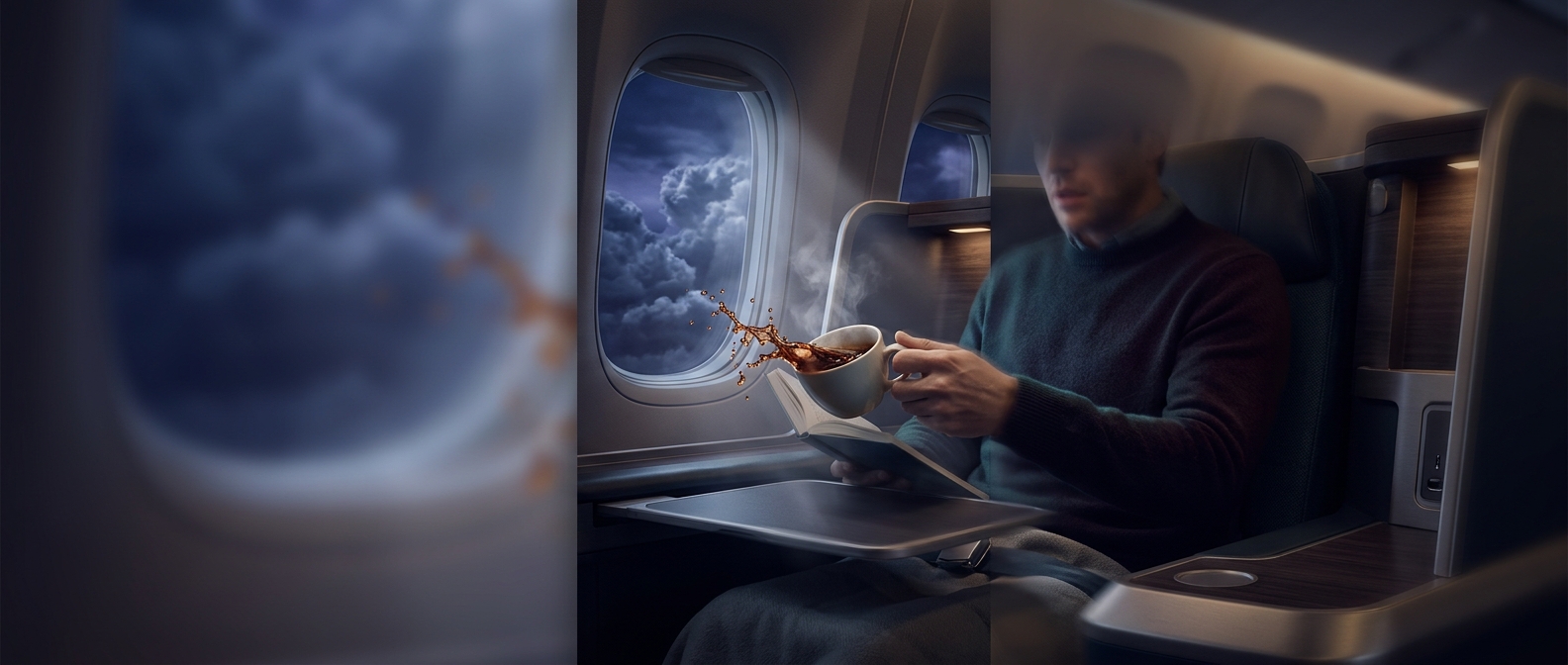
At cruising altitude, a window seat can put you close to sunlight streaming through the aircraft’s side. The cabin’s height above much of the atmosphere means less atmospheric filtering, and UVA rays—the wavelengths that penetrate deeper into skin—can pass through some aircraft side windows. Exposure depends on the window material, the sun’s angle, and how long the light falls on you.
The window is a filter, not an open hole
Aircraft windows are not all identical, and they do not let every ultraviolet ray through. They block UVB, which is strongly associated with sunburn, and many also filter much of the UVA. But side windows may transmit some UVA; a laminated cockpit windshield, by contrast, generally provides stronger protection. So the claim that cabin windows do nothing to block UVA is too sweeping—but sitting in direct sunlight beside one can still add exposure.
Repeated flights add up
A single flight is not the same as spending hours in direct sun on the ground. The concern is repeated exposure, especially for pilots and frequent flyers whose work or travel keeps them near bright windows. UVA can contribute to cumulative skin damage and premature aging, and occupational studies have raised concern about skin-cancer risk among pilots, though that does not mean a window seat alone causes melanoma.
If sunlight is landing directly on your seat, lowering the shade is the simplest way to cut the exposure. The practical lesson is not to fear every flight, but to treat a bright cabin window as a source of sun—not as guaranteed protection from it.