Why the Nuke Ended the Match
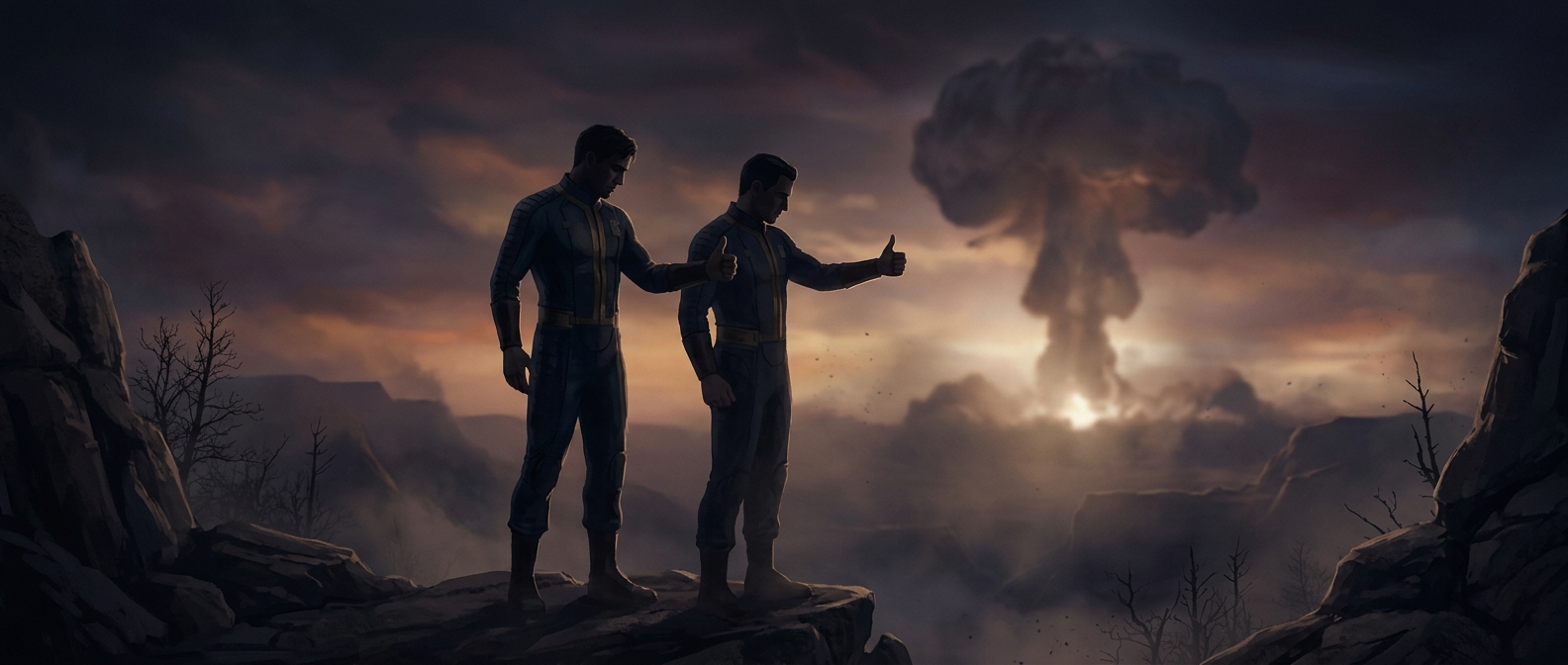
In Call of Duty: Modern Warfare 2, the tactical nuke was not simply a powerful attack layered onto an ordinary match. It ended the match outright. That choice solved a difficult design problem: what should a multiplayer game do after a nuclear blast has supposedly transformed its battlefield?
The game’s small maps and repeated respawns—the routine that sends defeated players back into the fight—depend on a playable space that stays recognizable. A realistic aftermath would mean changing the map, the conditions for survival, or both. Leaving everything intact would make the blast feel hollow; keeping players in a ruined, irradiated setting would require a new set of rules and could disrupt the match’s basic rhythm.
A Reward That Also Replaced the Match
Ending the game turned the nuke into a clear payoff rather than a new phase developers had to build and balance. Once activated, it settled the contest immediately, avoiding the awkward question of how teams could keep pursuing objectives in a world the weapon was meant to devastate.
That made the killstreak more than a way to score points. It was a rare reward powerful enough to override the match’s normal goals—and its effect could frustrate players who were still trying to complete them. The design’s memorable twist is that its biggest explosion did not create a new battlefield to explore: it made the battlefield, and the game being played on it, disappear.