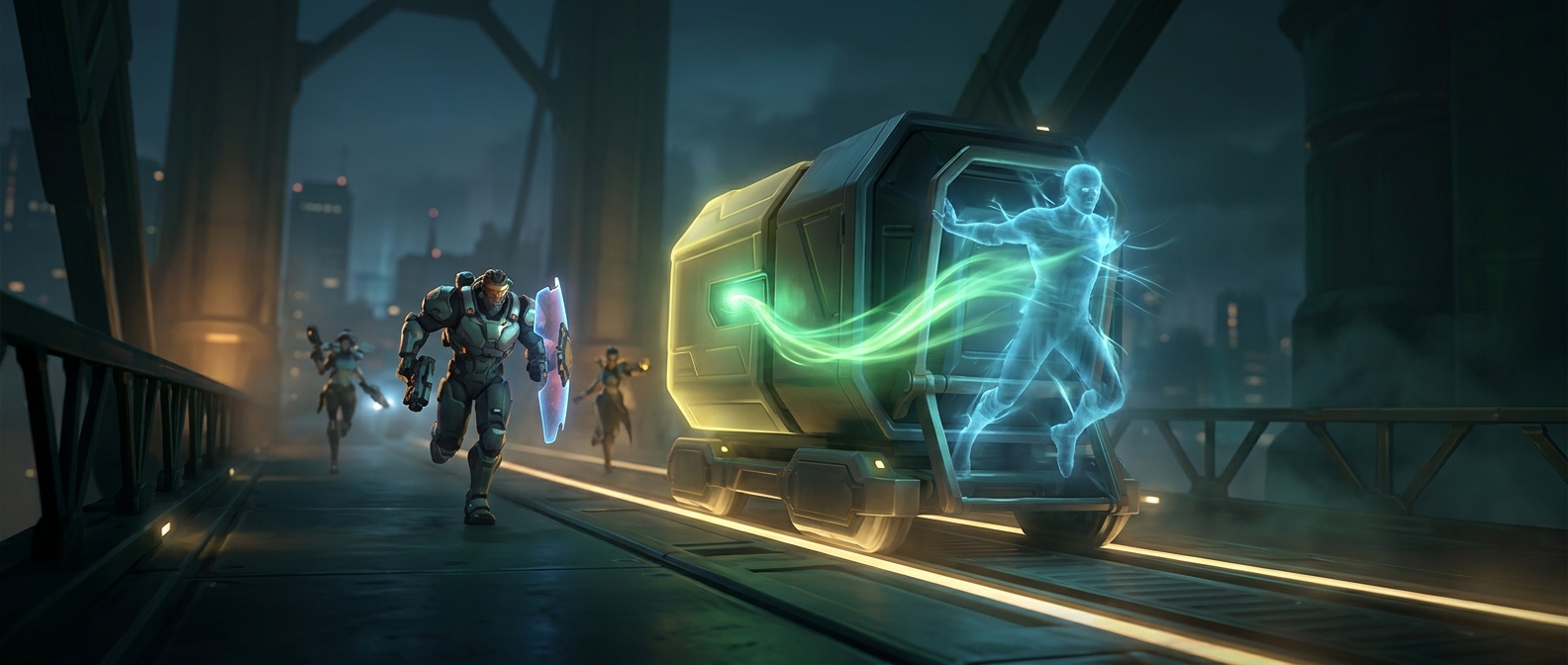
The Payload Has a Hidden Driver
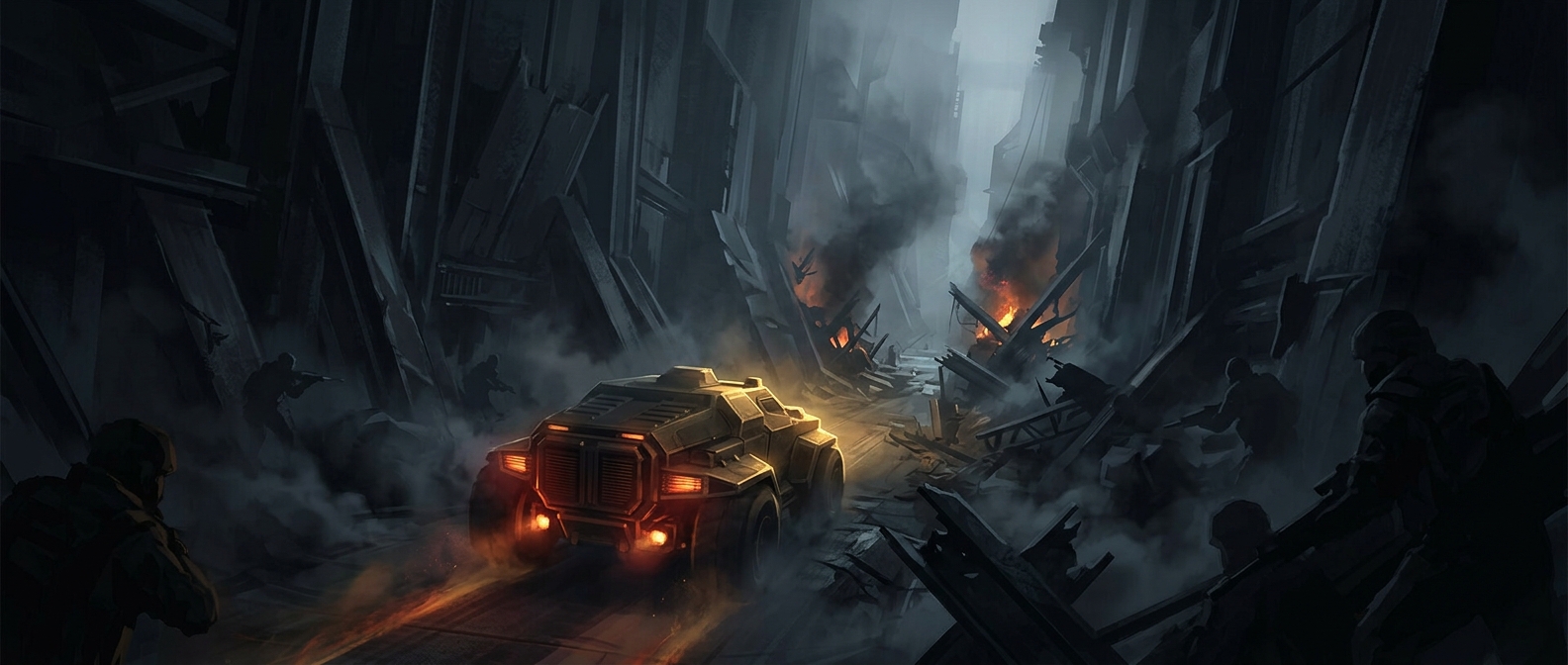
The cart looks like a solid object rolling through the map, but its movement is handled by something players cannot see: a non-player character, or NPC. The developers attached the visible payload to that character and sent it along a predefined route. In effect, the NPC serves as a moving anchor; the cart’s position follows it.
That workaround reflects a common game-development distinction between what an object looks like and what the game engine knows how to move. A payload is scenery with special rules, while an NPC is an entity the engine can update as it travels. By making the hidden character follow a path, the developers could make the objective advance without requiring the engine to move the cart directly in response to nearby players.
Why Keep an Invisible Character Alive?
The character had to remain active behind the scenes for the visible payload to keep following its route. If the hidden driver stopped existing, the object attached to it would lose the thing determining its movement. Keeping it alive was therefore not a narrative choice; it was part of the machinery that made the objective work.
The trick also shows how game systems can be layered: players see a cart, while the engine relies on an invisible entity and a path to produce its motion. What appears to be one straightforward object is really a visible payload riding on a hidden piece of game logic.