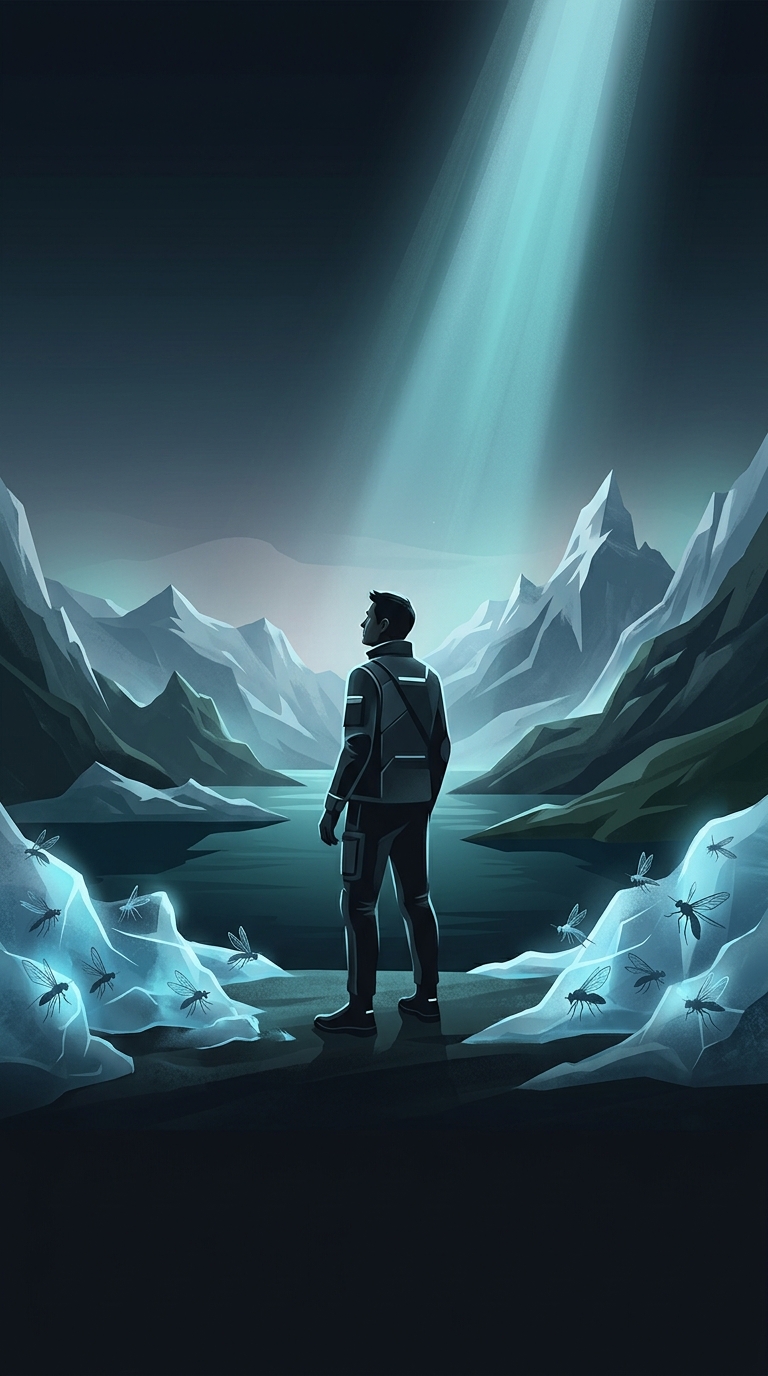
Why Iceland’s water doesn’t produce mosquitoes
Iceland has ponds, wetlands, and meltwater—but, unlike nearly every other country, it has long had no established wild mosquito population. The puzzle is not simply that the island is cold: mosquitoes live in much colder places. What may matter is how Iceland’s weather moves between freezing and thawing.
Mosquitoes need standing water for their immature stages. Eggs hatch into larvae, which live in water, then become pupae before emerging as flying adults. In many cold regions, mosquito eggs or larvae can survive a long, consistently frozen winter and resume development when spring arrives.
The problem with a freeze-thaw winter
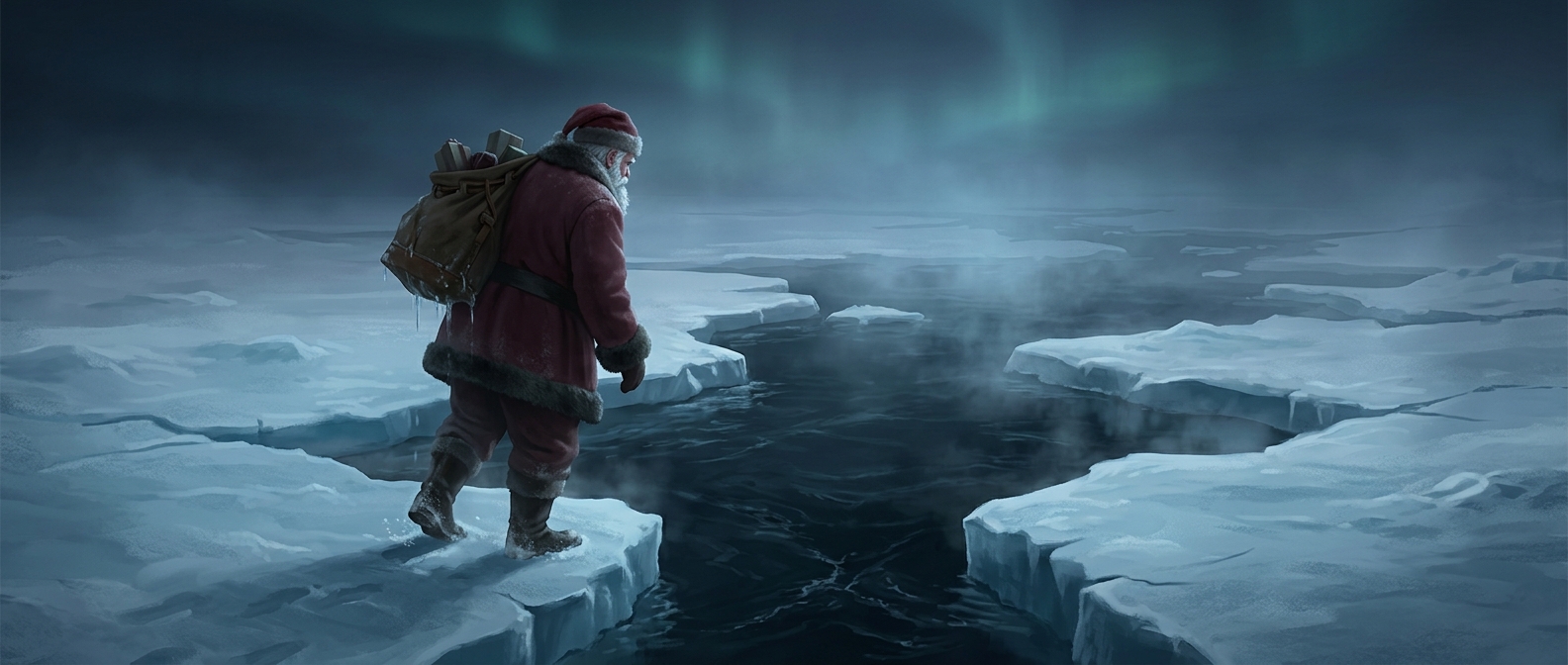
Iceland’s maritime climate can bring repeated shifts around the freezing point. A pond may freeze, thaw, and freeze again rather than stay reliably frozen or remain liquid. That instability may interrupt mosquito development or expose eggs and larvae to conditions they cannot withstand. It is a leading explanation for the island’s unusual absence, not a simple rule that cold weather kills mosquitoes.
Water alone is not enough: it must remain suitable for long enough, and the insects must be able to complete their life cycle. Iceland’s combination of plentiful water and changeable winter conditions may deny them that dependable window.
A striking exception, not a guarantee
The mosquito-free reputation refers to the absence of an established population, not an impossibility of a mosquito ever arriving. A stray insect could be carried in by people or cargo without finding the conditions needed to reproduce and persist. That distinction helps explain the contrast: Iceland can have abundant wetland habitat and still lack the stable seasonal foothold mosquitoes need to make it home.