A Window Between Solitude and Worship
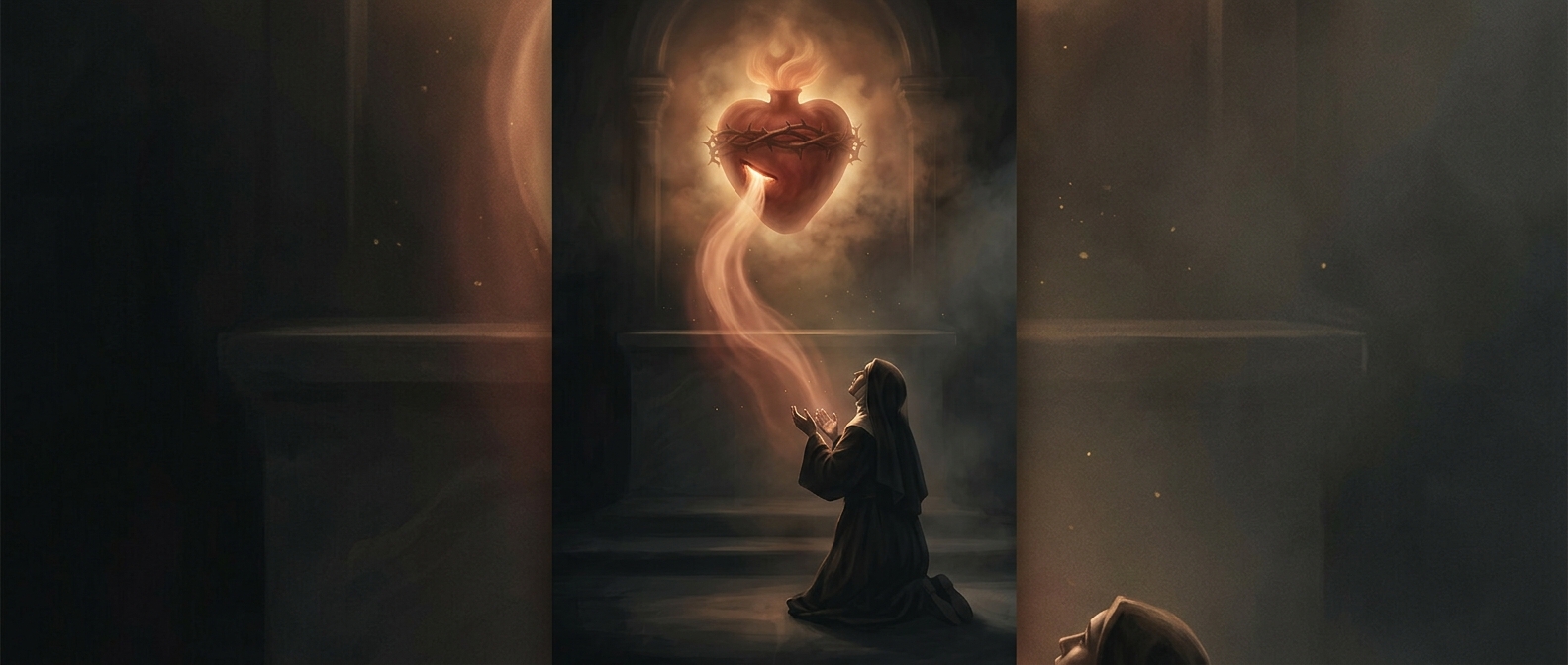
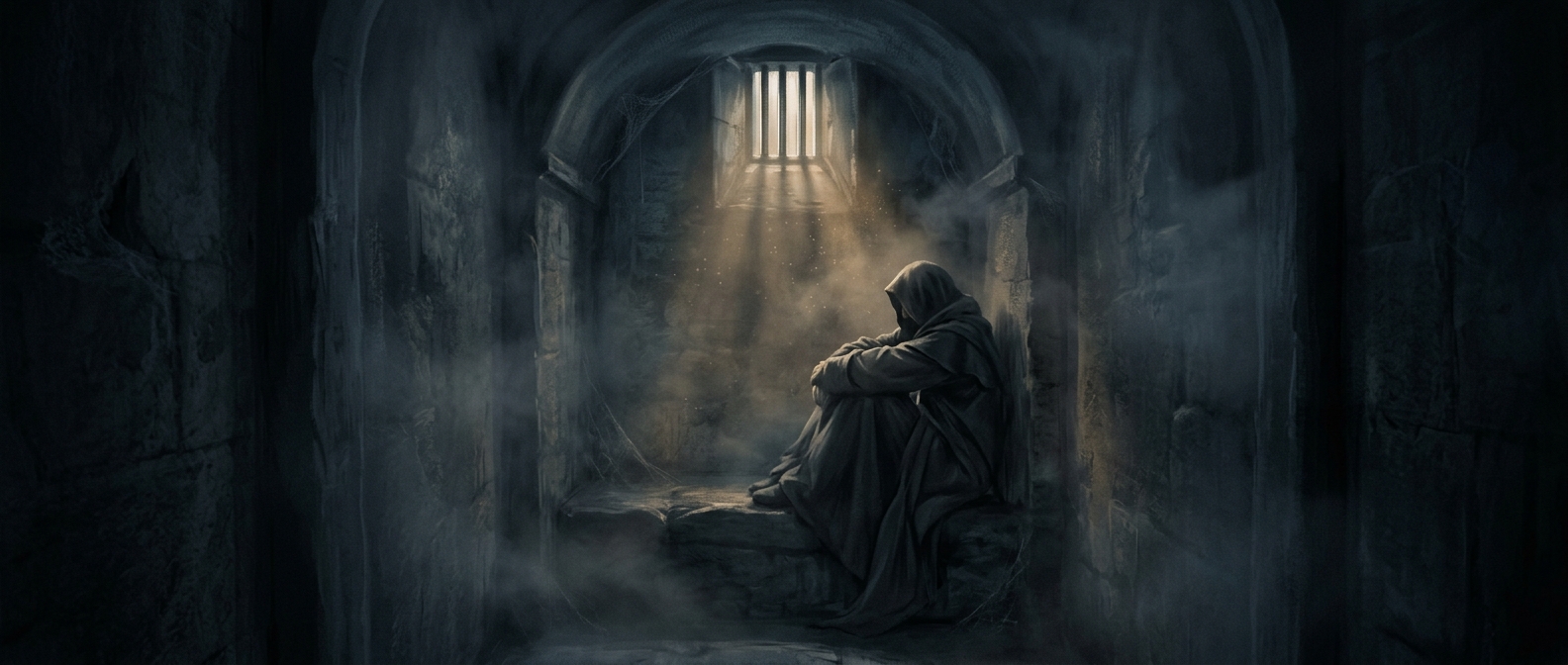
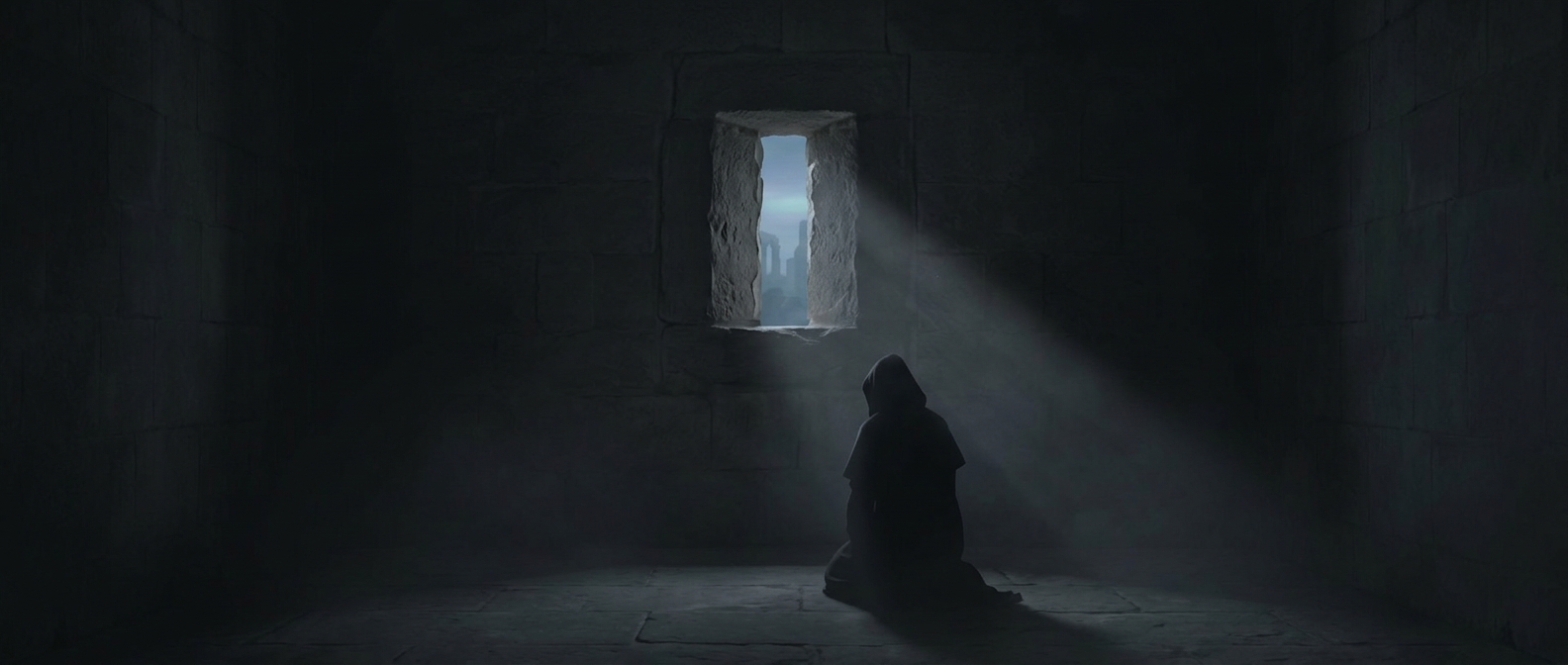
An anchorite was a religious person who withdrew from ordinary life into a small enclosed cell, often built against a church. The enclosure was not meant to cut the anchorite off from worship. A narrow window facing the church allowed them to see the altar and follow services while remaining inside their cell. Such a viewing opening was called a squint.
The opening made a life of strict separation possible without severing every connection. The anchorite could take part in the church’s daily rhythm—prayer, ritual, and the movement of the congregation—without entering the nave, the main area where people gathered.
Enclosure Still Needed Practical Connections
A cell also had to support ordinary survival. Food and other necessities could be passed through a small opening, while another window or hatch might be used for conversation with visitors or caretakers. The exact arrangement varied from place to place; the important point is that enclosure depended on carefully limited contact, not on being sealed away without assistance.
Those openings gave the cell a striking double purpose: it was a boundary that kept the anchorite apart, and a channel through which worship, food, and human contact could still reach them.