Why a Guitar Game Could Outpay an Album
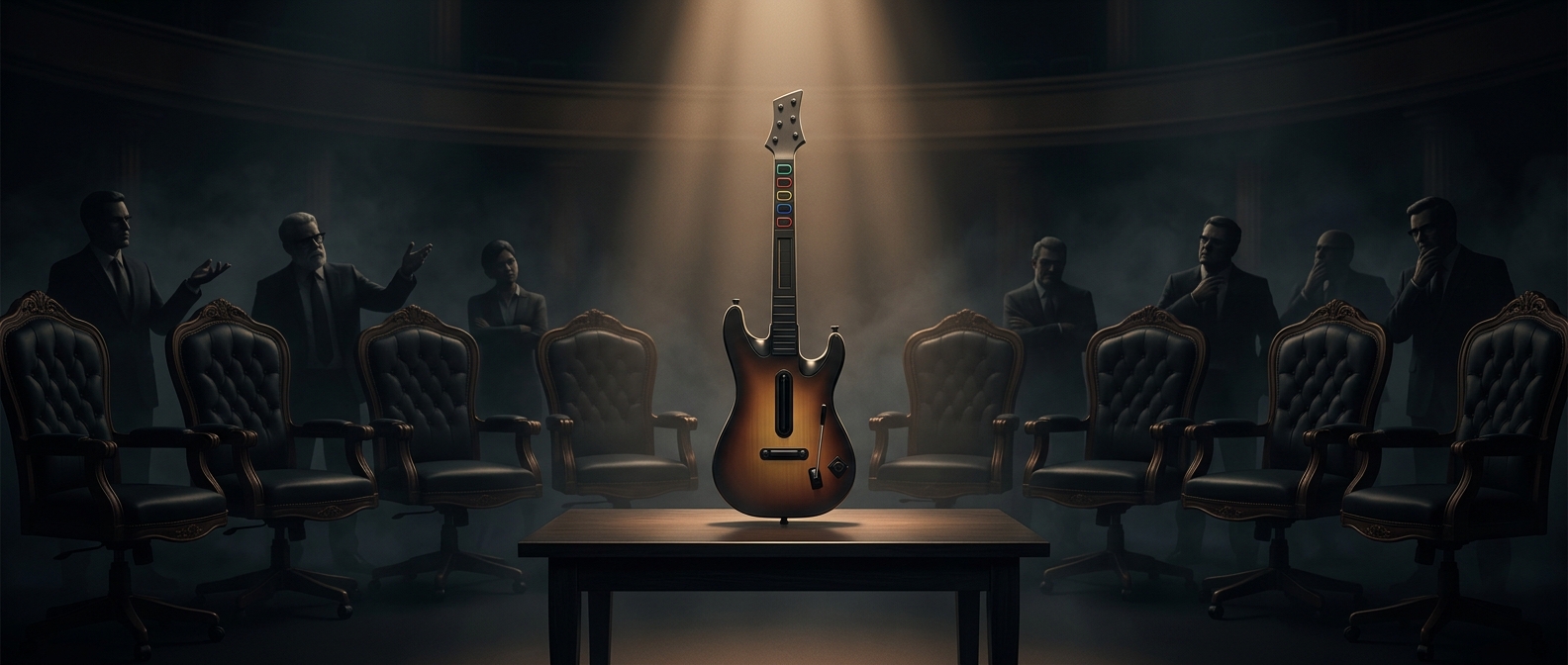
Aerosmith’s Guitar Hero: Aerosmith, released in 2008, turned the band’s catalog into the main event: players used a plastic guitar-shaped controller to hit notes timed to the songs, while the game built its career mode around the group. That made the music more than background. It was the reason fans might buy the game and keep playing it.
The deal also worked differently from an album sale. A band’s album royalties are only its contractual share of revenue, which can be reduced by the terms of recording agreements and other deductions. A game license, by contrast, pays for permission to use music in a particular product. Depending on the agreement, that can mean a negotiated payment tied to the game’s release or sales—not a small royalty each time a player performs a song.
The Music Was Part of the Product
A dedicated Aerosmith edition gave the publisher a recognizable name and gave the band exposure to players who might not have bought a conventional album. The game could also feature the band’s image and career, making its identity central to the experience. Those elements help explain why licensing music for a successful game could be lucrative, though the exact payment terms are not public in this fact.
The comparison is striking because it reverses the usual idea of music promotion: here, the songs were not merely helping sell a record. They helped sell a game—and the game’s commercial success could make that one licensing arrangement more valuable to Aerosmith than royalties from its hit albums.