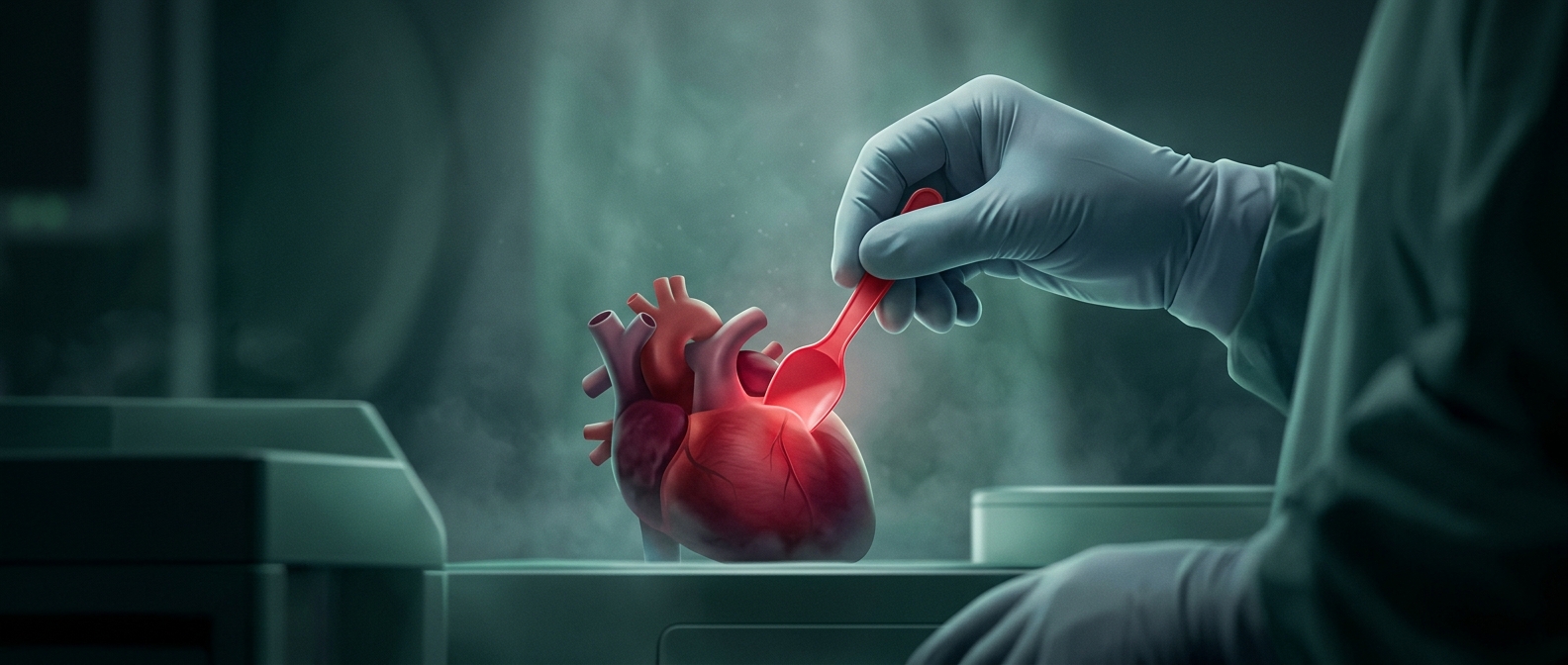
Why a Faster Pulse Uses a Little More Energy
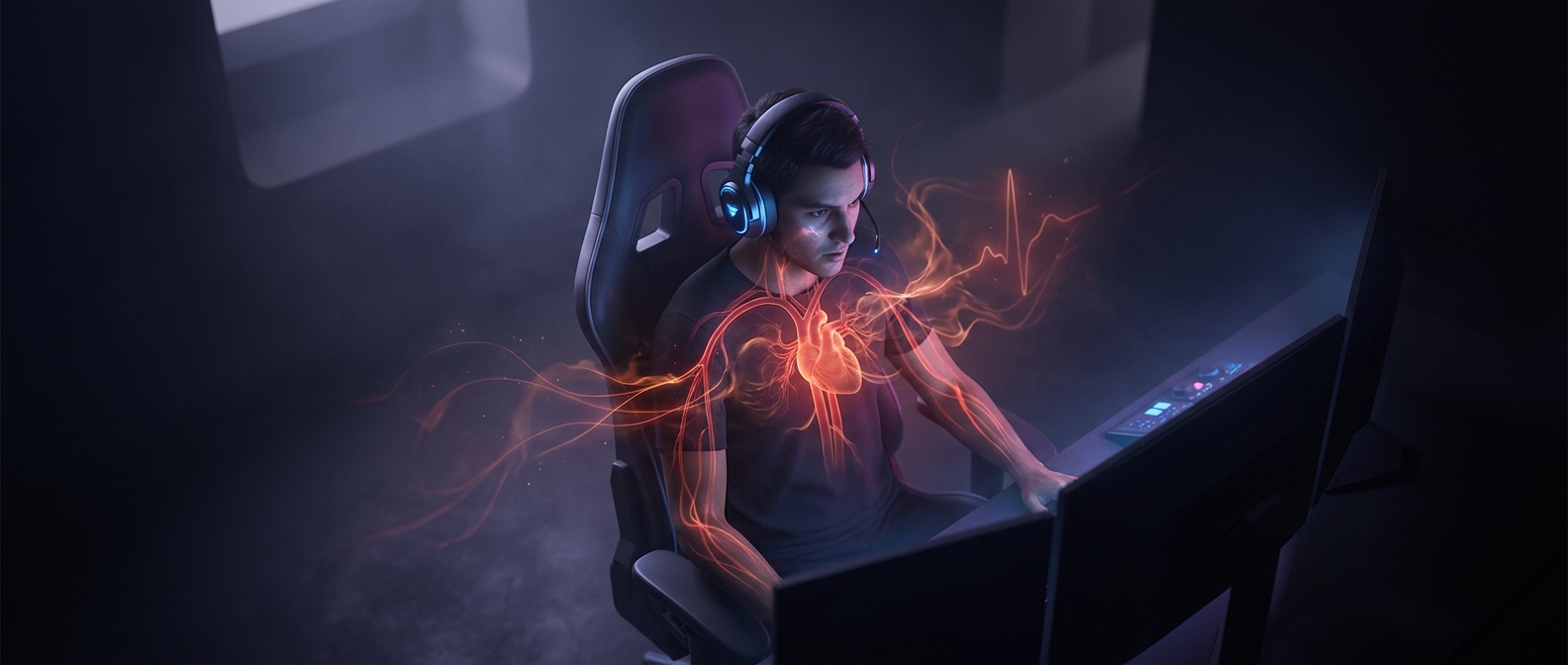
When stress raises your pulse, your body is spending energy to prepare for action. The heart contracts more often, breathing may speed up, and muscles can tighten. The stress response also releases hormones that help make stored fuel available. These changes add to energy use, but they do not turn stress into a meaningful calorie-burning workout.
Readiness Is Not the Same as Exercise
During exercise, large muscles repeatedly do physical work, which can substantially raise the body’s energy demand. Stress can create some of the same signs—such as a racing heart—without that sustained muscular effort. Once the stressful moment passes, the extra demand falls too.
That distinction matters: a faster pulse alone does not tell you how many calories you are using. A person sitting through a tense moment is generally doing far less physical work than someone moving their body, even if both feel their hearts beating faster.
A Small Increase Is Easy to Offset
The added energy use is marginal, so it is easy for ordinary behavior to outweigh it. Sitting still uses little energy, and a snack can supply more than the brief stress response used. Stress may also make some people want to eat, turning the body’s short-lived readiness response into no useful calorie deficit at all.
A racing heart can feel like intense activity, but without sustained movement, it is not a substitute for exercise.