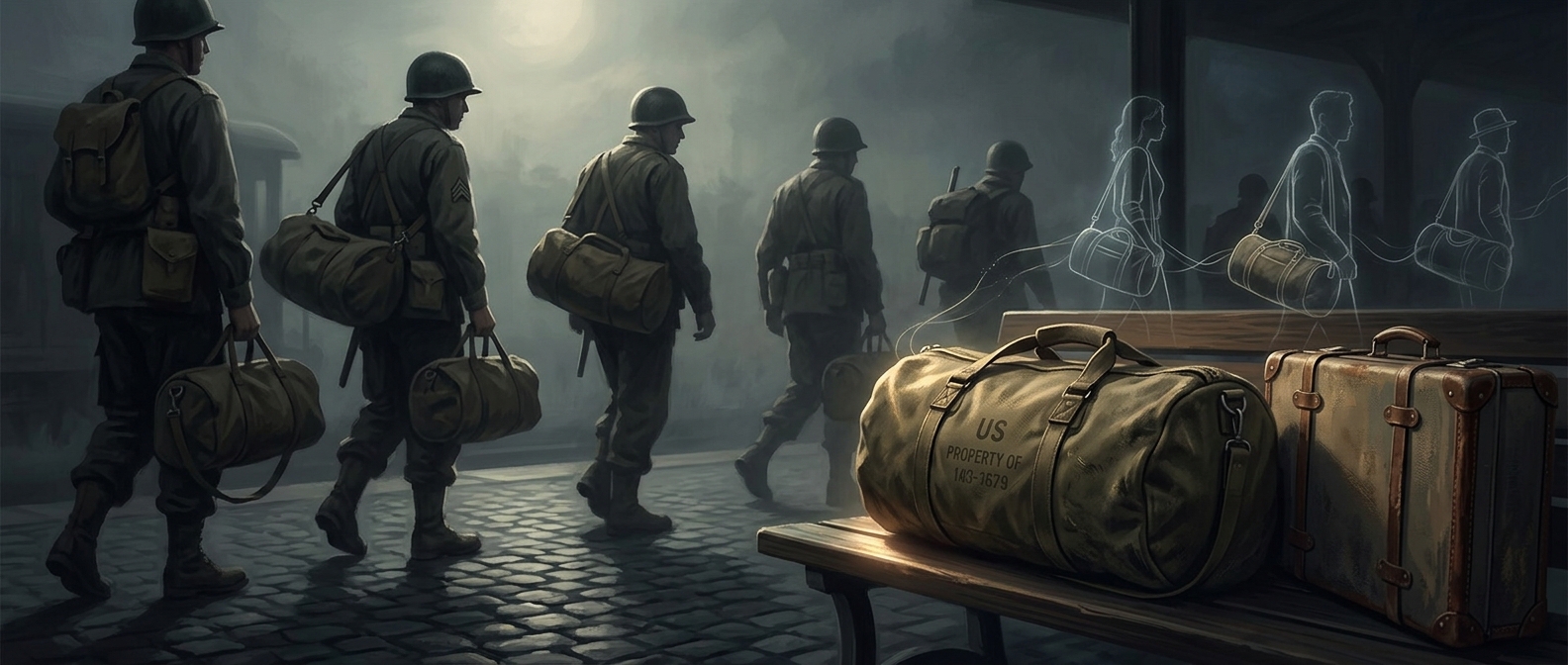
When a Seat Became a Wartime Resource
In the United States during World War II, sharing a car was less about convenience than keeping scarce materials available for the war effort. Gasoline was rationed in parts of the country, and rubber was especially hard to replace after wartime supply disruptions. Every unnecessary trip consumed fuel and wore down tires that could not easily be renewed.
That made an empty passenger seat seem wasteful. Commuters heading to the same factory or office could combine trips, using one car instead of several. The savings mattered most where large numbers of workers traveled to defense plants and other essential jobs.
How Government Pressure Changed the Commute
Authorities promoted shared rides through public campaigns and local workplace arrangements. The message cast carpooling as a civic contribution: conserve fuel and tires, and those resources could support military transport and production. Rationing made fuel use a practical constraint; patriotic appeals encouraged people to go further than simply obeying limits.
The pressure did not mean every American was legally required to ride with others. Rather, wartime shortages and official appeals made sharing a car an expected way to help. In that setting, coordinating with coworkers was a response to a real scarcity—not a feature added to make a private trip more convenient.
The Old Problem Behind the New Apps
Modern ride-sharing platforms use phones to match riders and drivers, but the underlying idea is much older: put more people in a vehicle that is already making the trip. In wartime, the scarce resource was fuel and durable tires. Today, the same spare seat can be treated as unused capacity, though the technology and incentives are different.
The wartime commute shows how quickly travel habits can change when resources become costly to waste: a passenger seat once carried the weight of a national conservation effort.