Newton’s books belonged to a different intellectual world
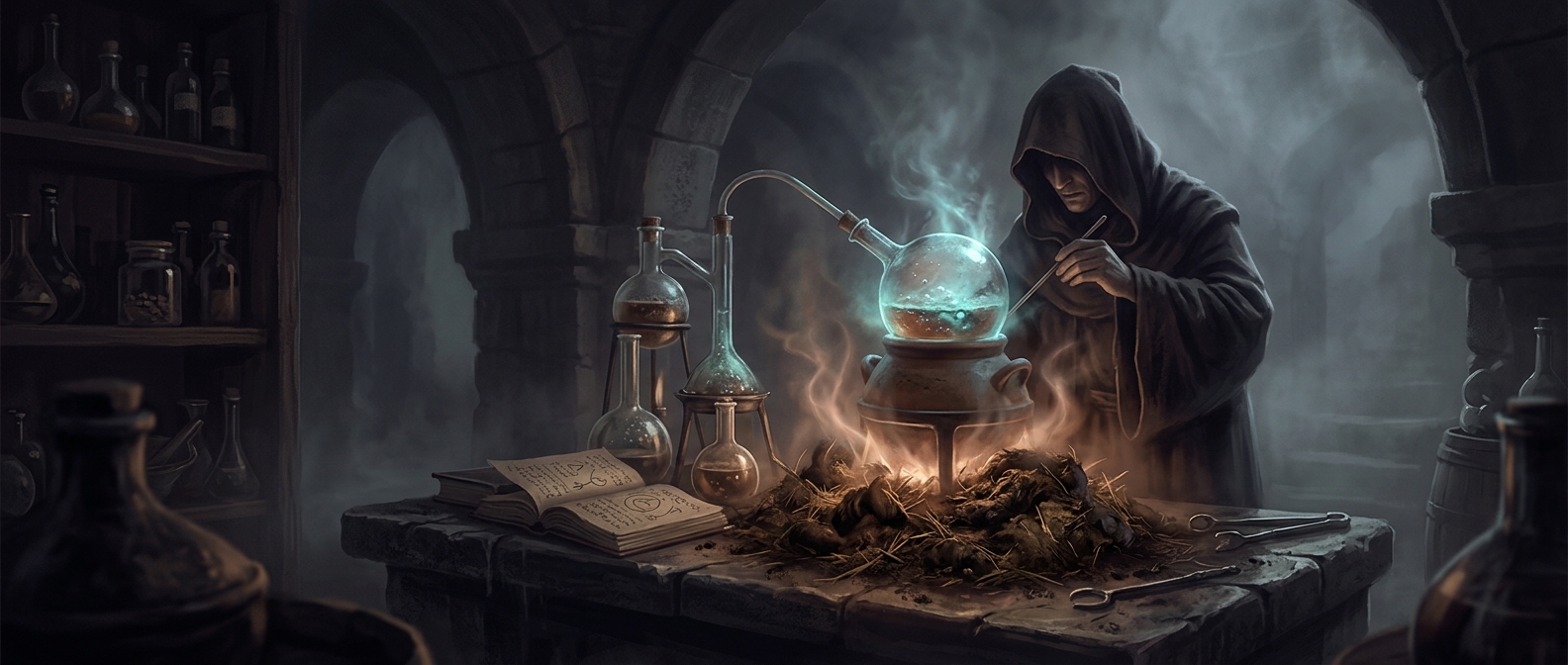
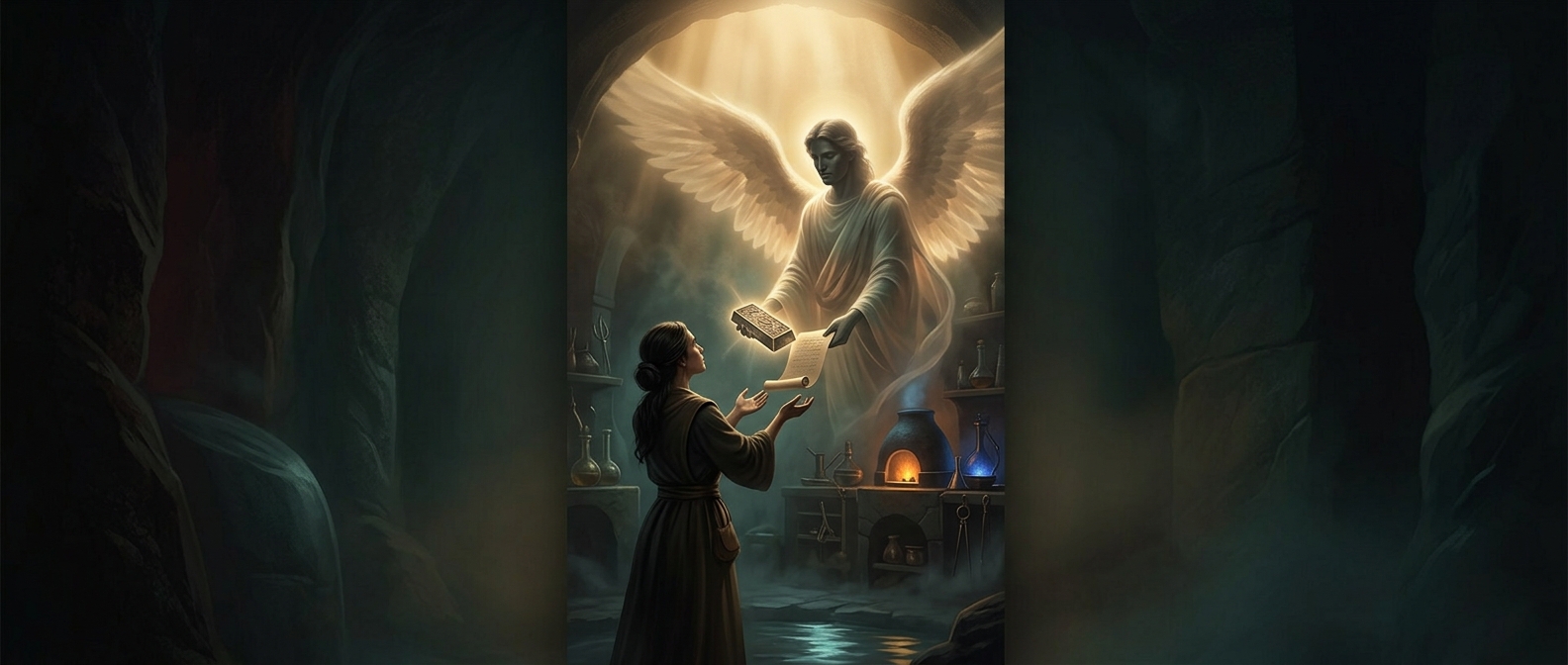
Today, astrology is usually separated from science, and alchemy is remembered chiefly as a failed attempt to make gold. In Newton’s time, the boundaries between accepted inquiry and what later generations would call occult knowledge were less settled. Learned people could investigate mathematics and motion while also reading texts about celestial influences, hidden properties of matter, and alchemical transformations.
Alchemy was not just a set of recipes: it mixed practical experiments with symbolic ideas about how matter changed. Astrology offered a way to interpret relationships between the heavens and earthly life. Neither pursuit maps neatly onto modern scientific disciplines, and Newton’s interest in them does not mean he treated every claim in those traditions as established fact.
Why the legend sounds plausible
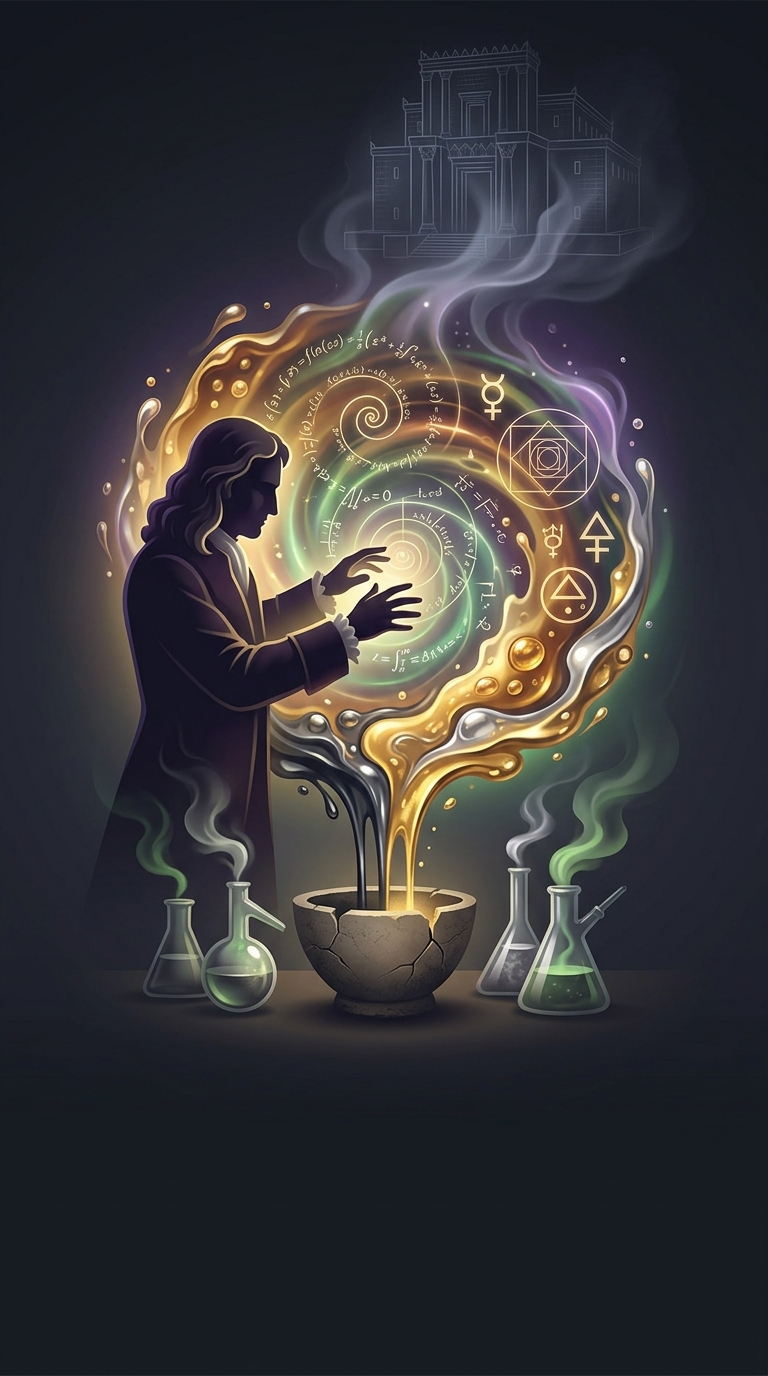
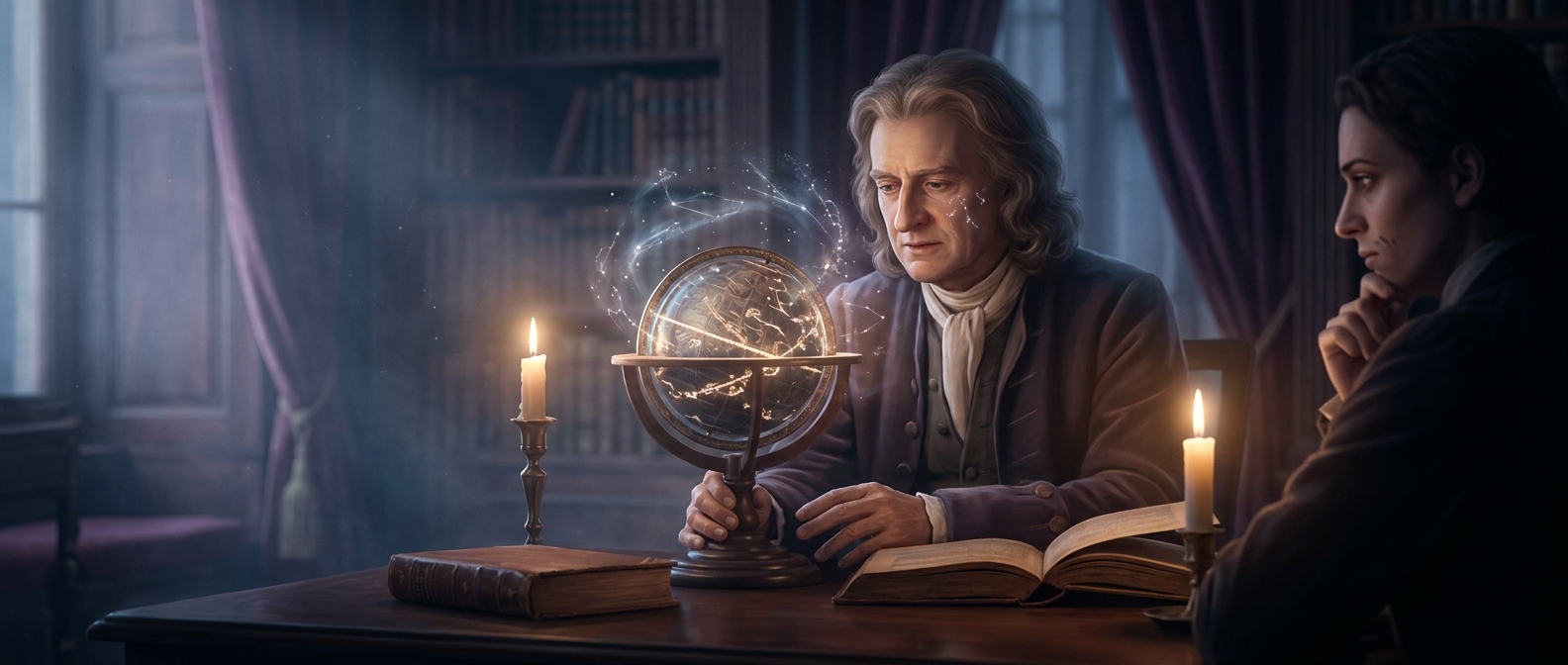
Newton left a large body of notes and manuscripts, including extensive work on alchemy and other esoteric subjects. That record makes a story about him discussing astrology feel believable. But plausibility is not proof: the famous retort to a skeptical colleague has no secure footing as a documented exchange.
The more revealing point is not whether Newton delivered a clever comeback. It is that the same scholar associated with mathematical physics also spent serious effort exploring subjects modern readers might place outside science. His surviving papers show how porous those categories could be in his intellectual world—and why a memorable anecdote can capture a genuine tension while still being apocryphal.