When muscularity does not register as enough
Muscle dysmorphia is a form of body dysmorphic disorder, a condition involving persistent distress over a perceived flaw in appearance. In this case, the concern is that the body is not muscular or large enough—even when other people see someone as notably muscular. The issue is not simply wanting to get stronger: the perceived shortfall can dominate a person’s thoughts and interfere with daily life.
The mismatch is not a failure of eyesight. Rather, attention and interpretation can become fixed on signs of being “too small.” Someone may focus on one body part, compare their physique with other people’s, or discount evidence that they have gained muscle. Reassurance may help briefly, but it often does not change the underlying judgment.
How the pursuit can become a loop
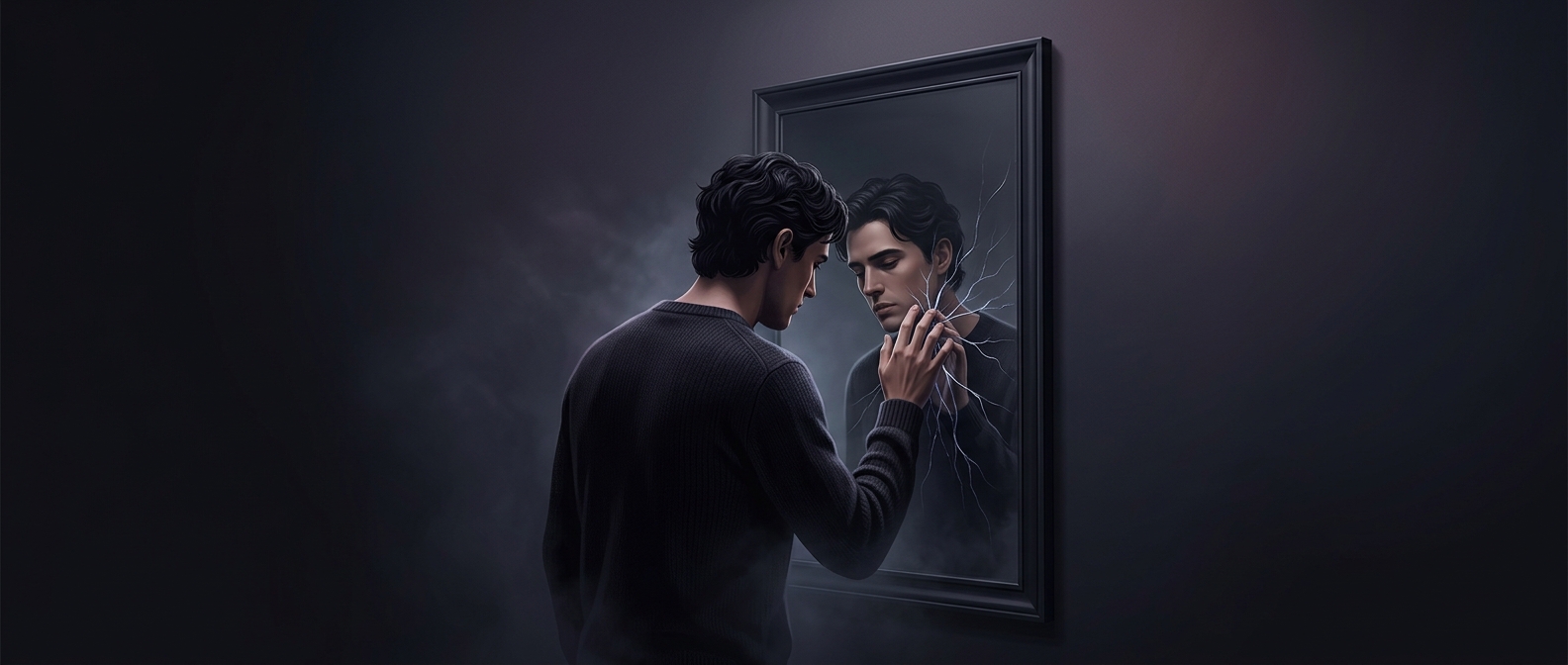
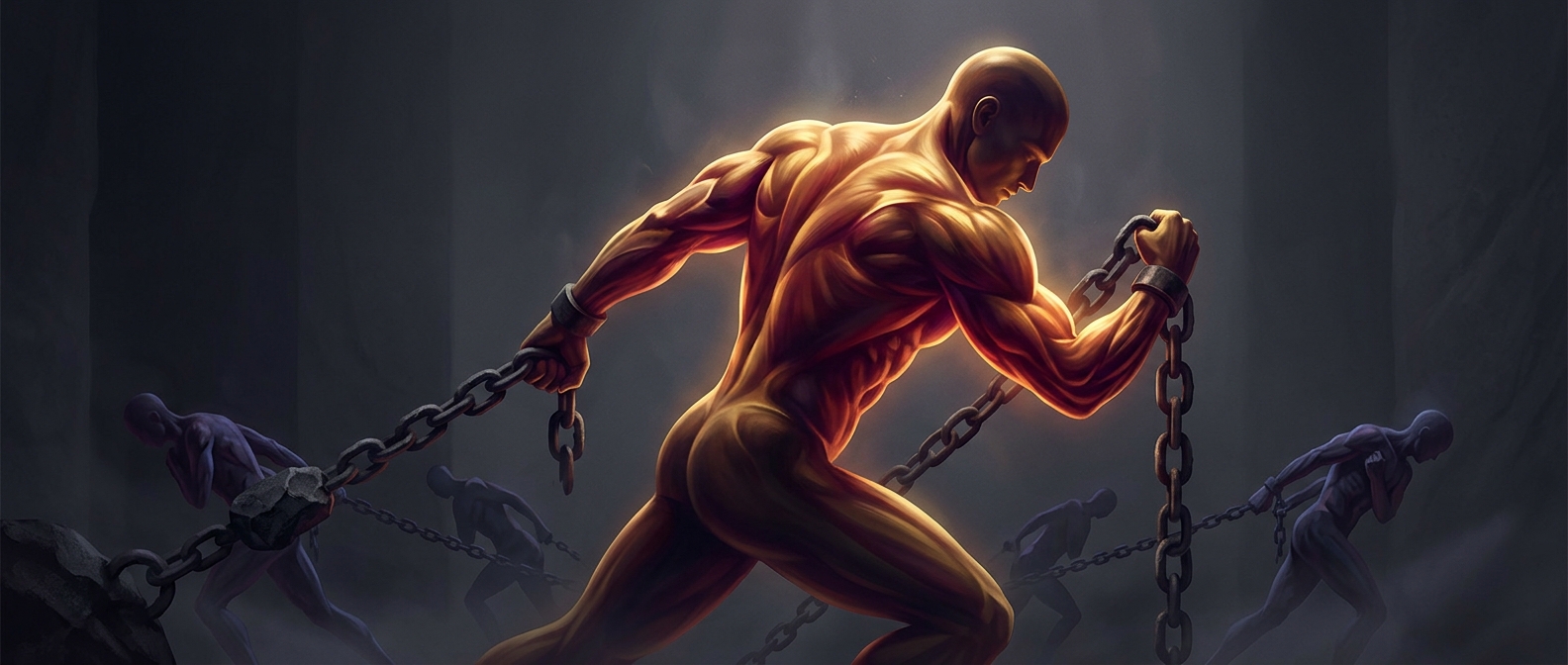
Checking mirrors, measuring muscles, hiding the body in clothing, and repeatedly seeking comparisons can all become ways to manage the anxiety. Training and strict eating may also take on a compulsive quality: missing a workout or deviating from a food plan can bring intense distress. These routines can crowd out relationships, school, work, or rest, while the hoped-for sense of being “big enough” remains out of reach.
That is the trap: each new milestone can be reinterpreted as insufficient, prompting another round of checking or training. Recognizing the pattern matters because the goal is not to dismiss someone’s fitness ambitions, but to address the distress and rigidity that have taken them over. A qualified mental-health professional can assess what is happening and discuss treatment; the person’s visible muscularity alone cannot show how serious the struggle feels.