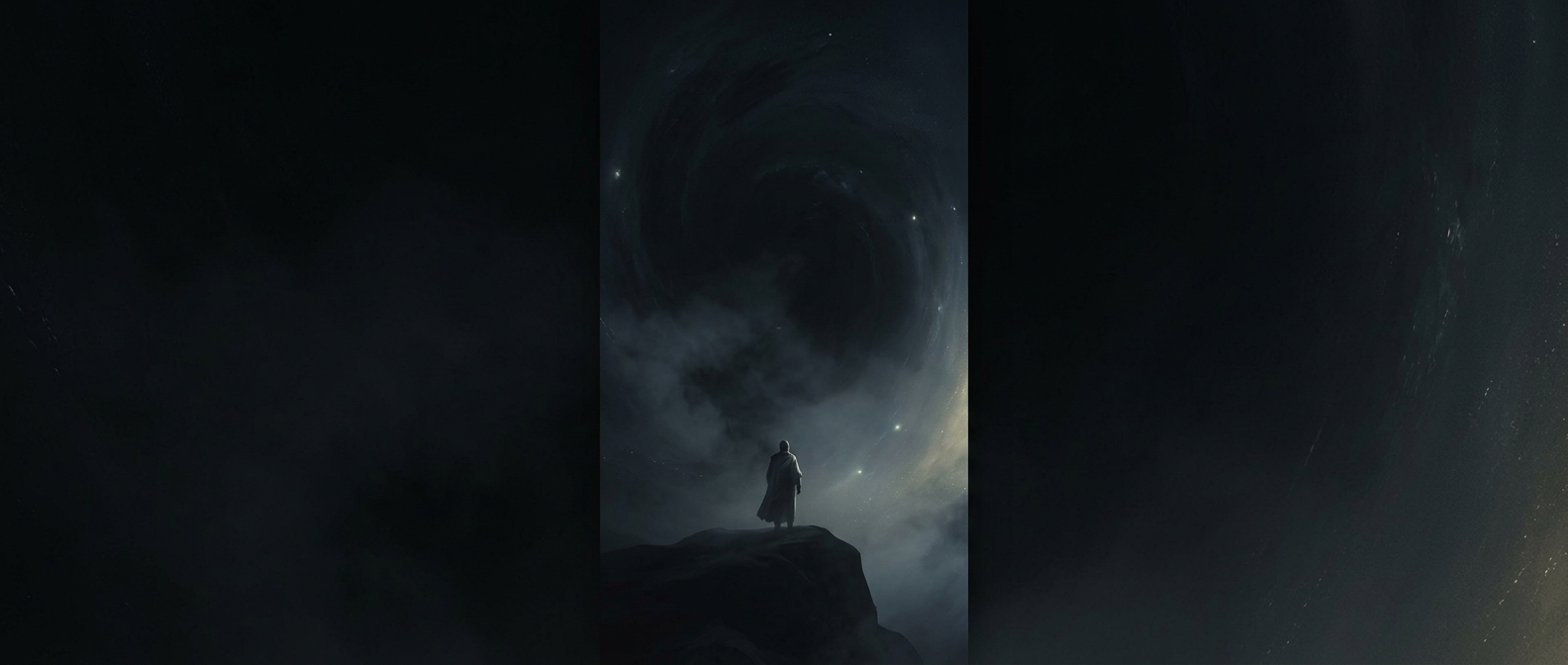
Why the heavens needed a fifth element
For Aristotle, the four familiar elements—earth, water, air, and fire—belonged to the changeable world around us. They could mix, break down, and transform. The heavenly bodies seemed different: stars and planets followed regular paths and did not appear to decay. Aristotle proposed aether, a fifth substance suited to that seemingly perfect, unchanging realm.
The idea did more than add one item to a list. It gave ancient thinkers a way to explain why the sky behaved differently from the ground. In Aristotle’s model, earthly elements moved toward their natural places—earth downward, fire upward—while aether’s natural motion was circular. That motion matched the apparent turning of the heavens.
One word, several later meanings
Aether was a philosophical explanation, not a substance detected by experiment. The concept also varied across ancient schools; it should not be treated as a single belief shared by every thinker. Later, “ether” acquired other meanings, including the proposed medium through which light waves traveled. That later hypothesis was a separate scientific idea, not simply Aristotle’s celestial element under another name.
The enduring appeal of the fifth element was its neat division: change and decay below, regular motion above. It made the sky seem not merely distant, but made of something fundamentally different.