A village miller becomes a historical question
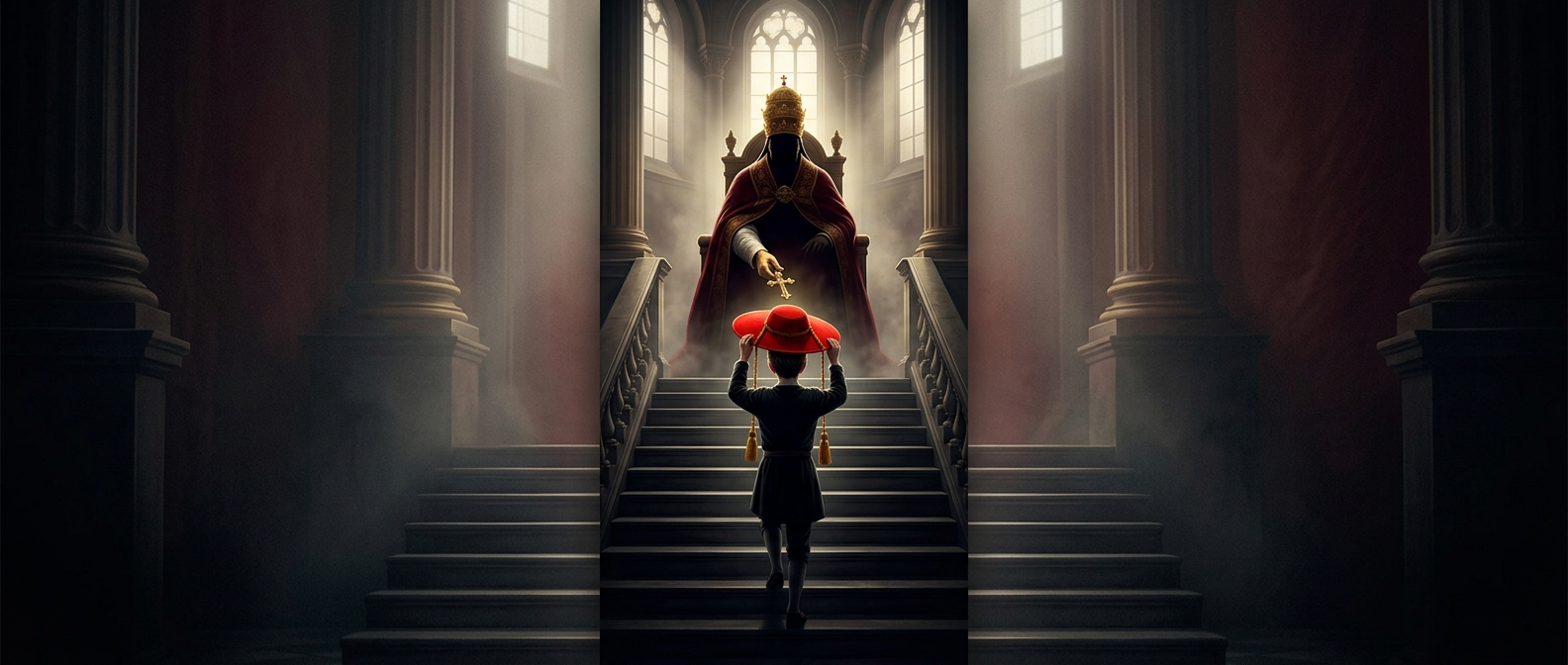
Carlo Ginzburg’s The Cheese and the Worms follows Domenico Scandella, known as Menocchio, a sixteenth-century miller from the Italian village of Montereale. Inquisitors questioned him about his religious ideas, leaving records that allowed Ginzburg to trace how an otherwise obscure person made sense of the world.
Those records are not a transcript in the modern sense. They preserve statements gathered in a legal and religious investigation, shaped by what officials asked and chose to record. Ginzburg’s task was to read them closely: to distinguish Menocchio’s own recurring ideas from the language of the proceedings, and to compare his accounts with books available in his world.
Reading against the grain
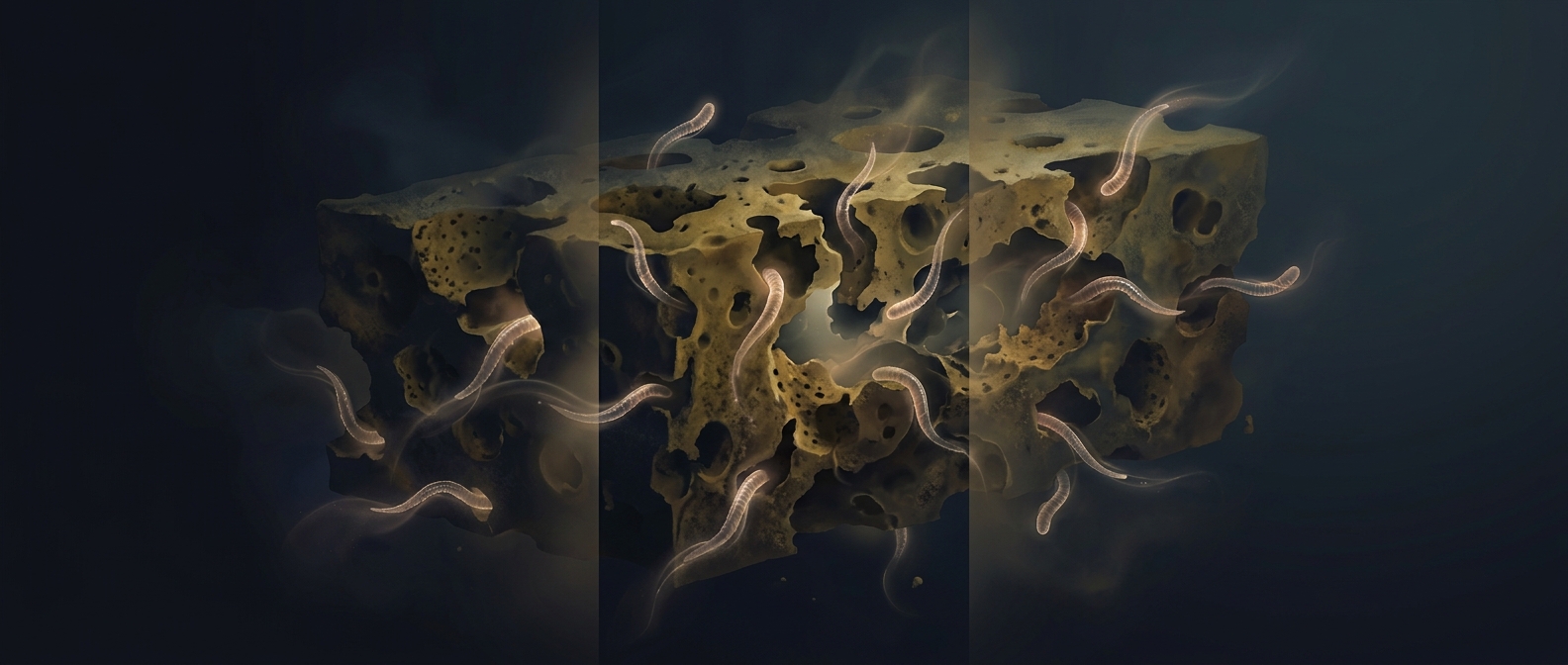
Menocchio’s image of creation—a formless mass that became something like cheese, from which living beings emerged like worms—was not simply a strange personal fantasy. Ginzburg used it to investigate how learned religious texts could be transformed when they passed through the reading habits and shared culture of ordinary people. A reader might encounter an idea in a book, reinterpret it through familiar images, and combine it with beliefs that did not fit neatly into official doctrine.
That approach became a landmark example of microhistory: studying one sharply documented life in depth to ask larger questions about a society. Rather than treating villagers as a faceless crowd, microhistory uses an individual case to expose what broad political narratives often miss—how people received, altered, or resisted powerful ideas.
The method also demands restraint. Menocchio cannot stand in for every peasant, and an Inquisition file offers only a narrow view of his life. But his recorded explanations make the limits of grand histories visible: even in a world shaped by institutions and authorities, people could build their own accounts of how everything began.