A mongoose brought its own habits indoors
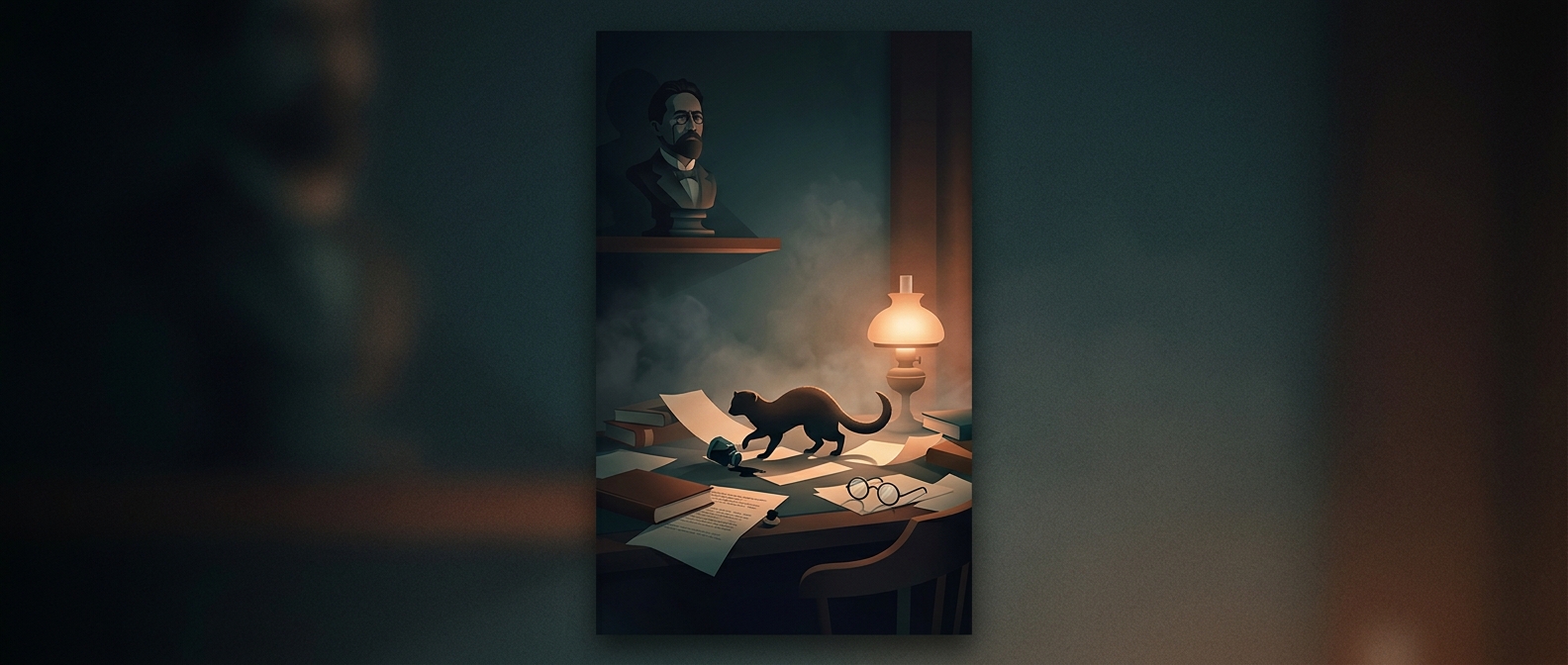
Chekhov’s pet, Svolog, did not treat a room as a finished, orderly space. It treated it as terrain to investigate. Mongooses are active foragers: in the wild, they search through soil, leaf litter, and other hiding places for food and prey. Scratching and digging are part of that search, not a carefully targeted attempt to ruin a particular object.
That instinct helps explain why a companion animal could turn a writer’s belongings into a mess. To Svolog, a pile or container might be worth probing; to Chekhov, it was part of a working home. The collision was less a matter of bad manners than of an animal bringing its ordinary behavior into a human environment.
The cost of keeping an unusual pet
An exotic animal can seem manageable when its appeal is vivid and its needs are less obvious. But a mongoose is not a domestic animal whose habits have been shaped over generations for life alongside people. Its curiosity and drive to explore do not stop at the edge of a desk or a household possession.
Svolog’s excavation plan is memorable because it makes that mismatch concrete: the pet’s natural way of investigating its surroundings became the writer’s household problem. Keeping an animal close did not mean its world—and its instincts—had become human-sized.