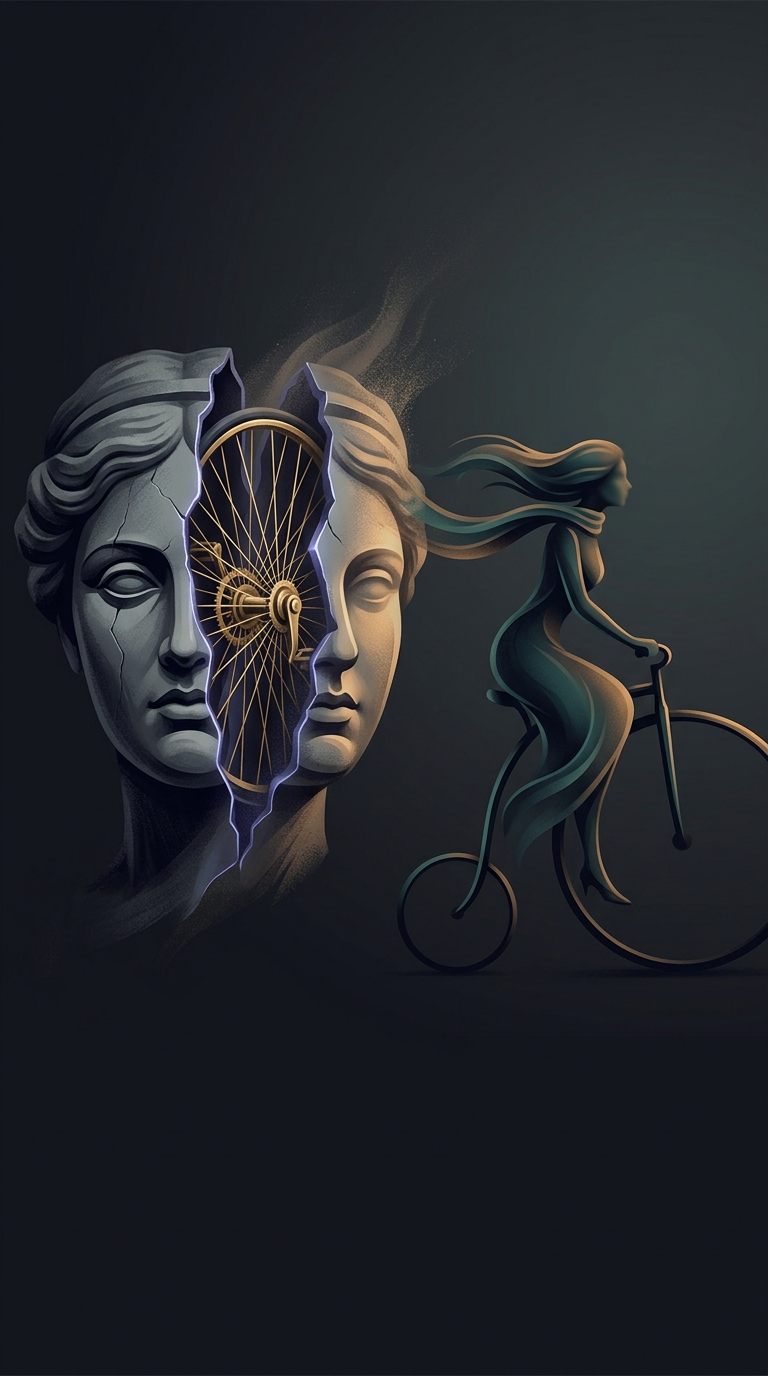
How a ride became a medical warning
A hard ride can leave anyone flushed, breathing quickly, and visibly tired. Those signs are ordinary effects of exertion: working muscles need more oxygen, so breathing and circulation speed up, and more blood flows near the skin. They fade as the rider rests. They are not evidence that cycling has created a distinct facial disorder.
The nineteenth-century label “bicycle face” gave those fleeting signs a more ominous interpretation. By framing a rider’s appearance as a medical problem, critics could make the activity itself seem hazardous—not merely strenuous. The language sounded clinical, but the supposed condition was invented.
The worry beneath the diagnosis
The bicycle mattered as more than exercise. It let people travel under their own power, choosing where to go and how quickly to get there. That independence could unsettle those who preferred movement to remain supervised or socially constrained. A warning about riders’ faces turned that broader unease into something seemingly visible on the body.
The contrast is the lasting lesson: a red face after a demanding ride is a temporary response to effort, while “bicycle face” was a story attached to it. The supposed symptom made a social fear look like a medical fact.