Why a Short Funicular Can Be Costly to Run
A funicular’s expense is concentrated in infrastructure that does not shrink much when the route does. The line needs a stable, precisely aligned track on a steep slope, plus anchors, cable-guiding equipment, drive machinery, and stations at its ends. Building on a mountainside can also mean difficult excavation, retaining structures, drainage, and access for construction crews.
Once installed, that specialized equipment still needs inspection and maintenance. A cable and its connections endure repeated heavy loads; brakes, track components, and control systems must work reliably on a gradient where a failure could have serious consequences. Many repairs also require equipment and expertise that an ordinary road or flat railway may not.
Counterbalancing Saves Effort, Not the Whole Bill
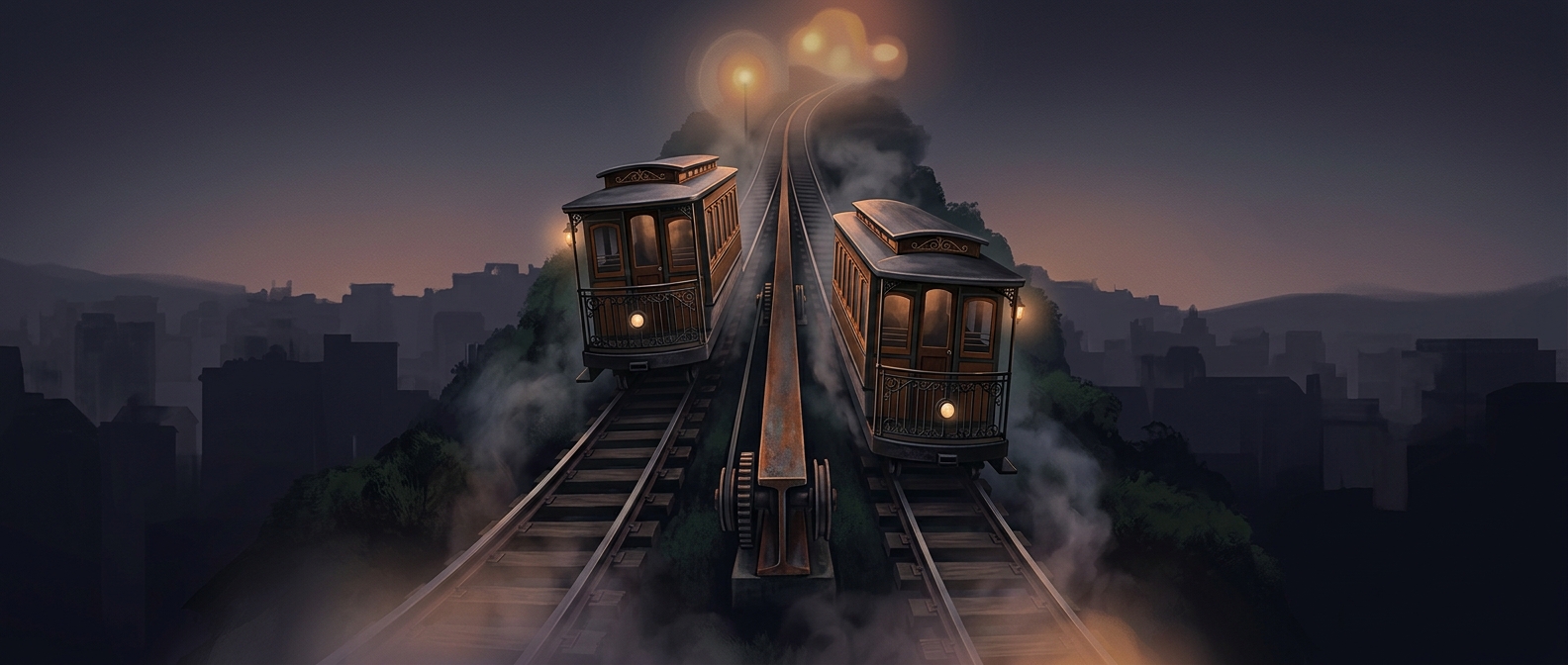
The two cars are linked by a cable: as one climbs, the other descends. Their opposing weight helps balance the system, so the machinery often needs to overcome mainly the difference between the cars’ loads, along with friction and other losses. That makes the arrangement efficient for moving people up and down the same slope.
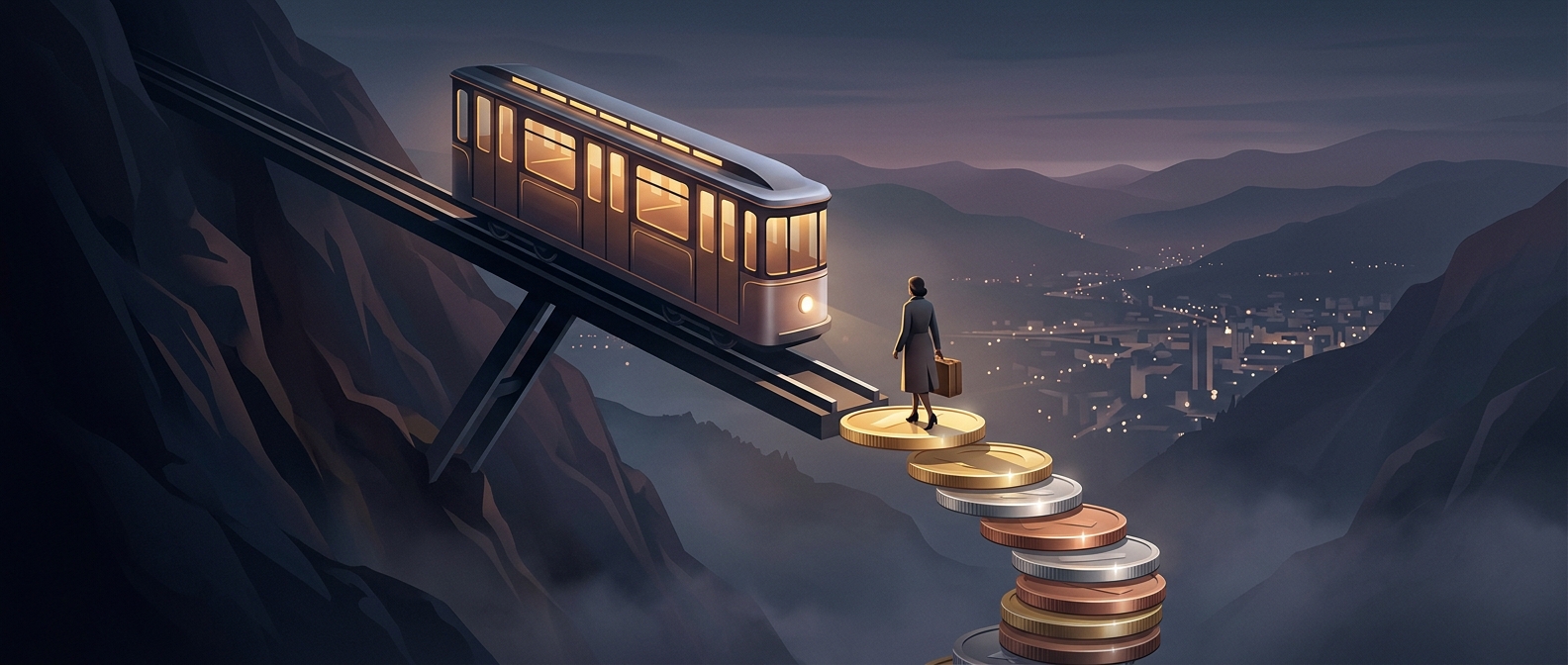
But counterbalancing does not eliminate the cost of the track, cable, stations, safety equipment, or routine upkeep. Nor does it make a steep route easy to build. Those costs are spread across the passengers and distance the line serves. Since funiculars often connect only a few nearby points, there may be relatively little route over which to distribute the investment. The short trip can be economical as a way to climb a slope while still being expensive per mile.