Why the card pool keeps growing
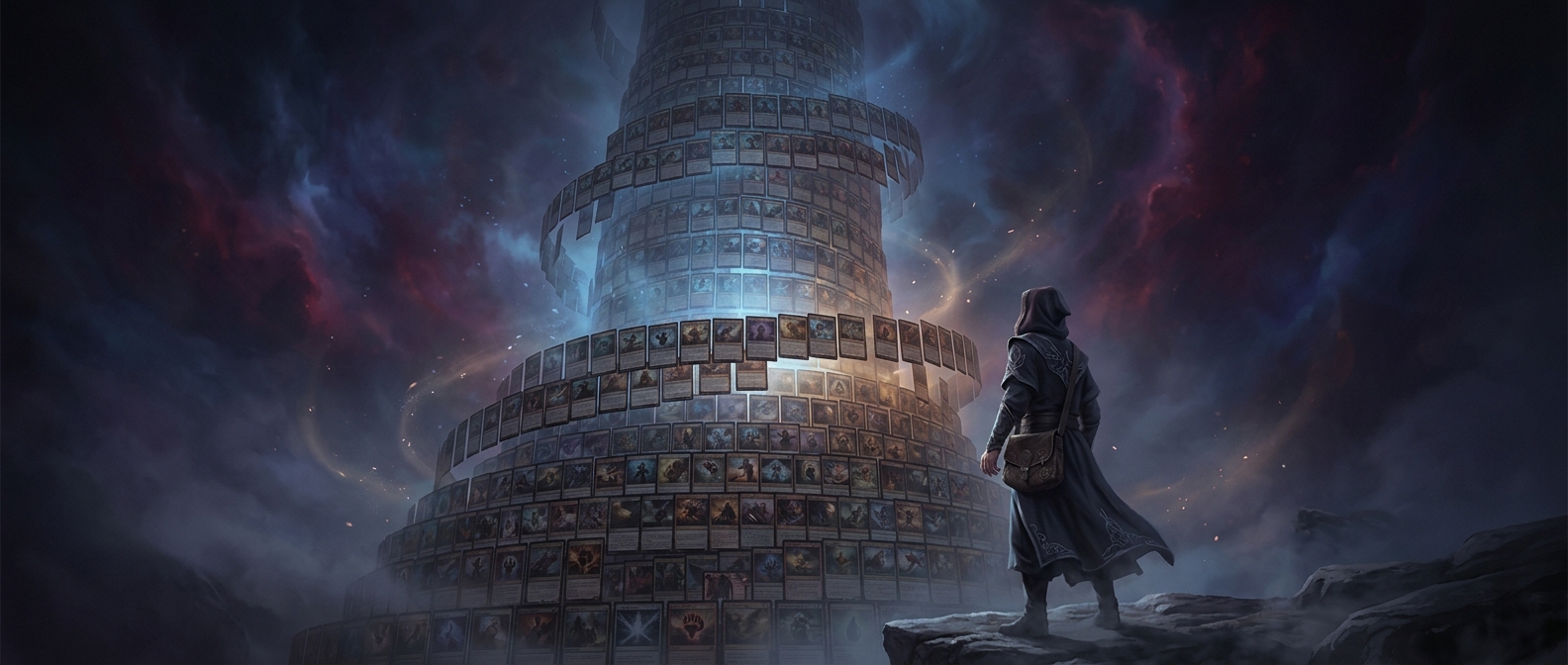
A new Magic: The Gathering set does more than add characters to a roster. Each card combines rules—what it costs, when it can be played, and what it does—with the rest of the game’s existing pieces. A small change in one of those rules can create new strategies or make an old card newly useful, so designers have to consider both the card on its own and the interactions it may have across a huge catalog.
That gives each release two jobs: offer players fresh ways to build decks while avoiding combinations that make the game frustrating or impossible to balance. New sets also introduce mechanics—recurring rules that give a group of cards a shared twist—then explore how those mechanics work alongside familiar ones.
No one has to use every card
The size of the catalog can sound like a barrier, but most players encounter only a slice of it at a time. In limited play, players build decks from cards opened for that event. In constructed formats, players bring decks assembled in advance, but each format sets its own rules about which cards are eligible. Some formats also rotate older cards out of regular use; others keep a much broader pool.
Releases therefore expand the game without requiring every player to keep up with every card. The growing catalog matters most as a reservoir of possible combinations: a card printed years ago can take on a new role when a later release supplies the missing piece. That is why an old card may become newly exciting—not because it changed, but because the surrounding game did.