A face becomes a warning signal
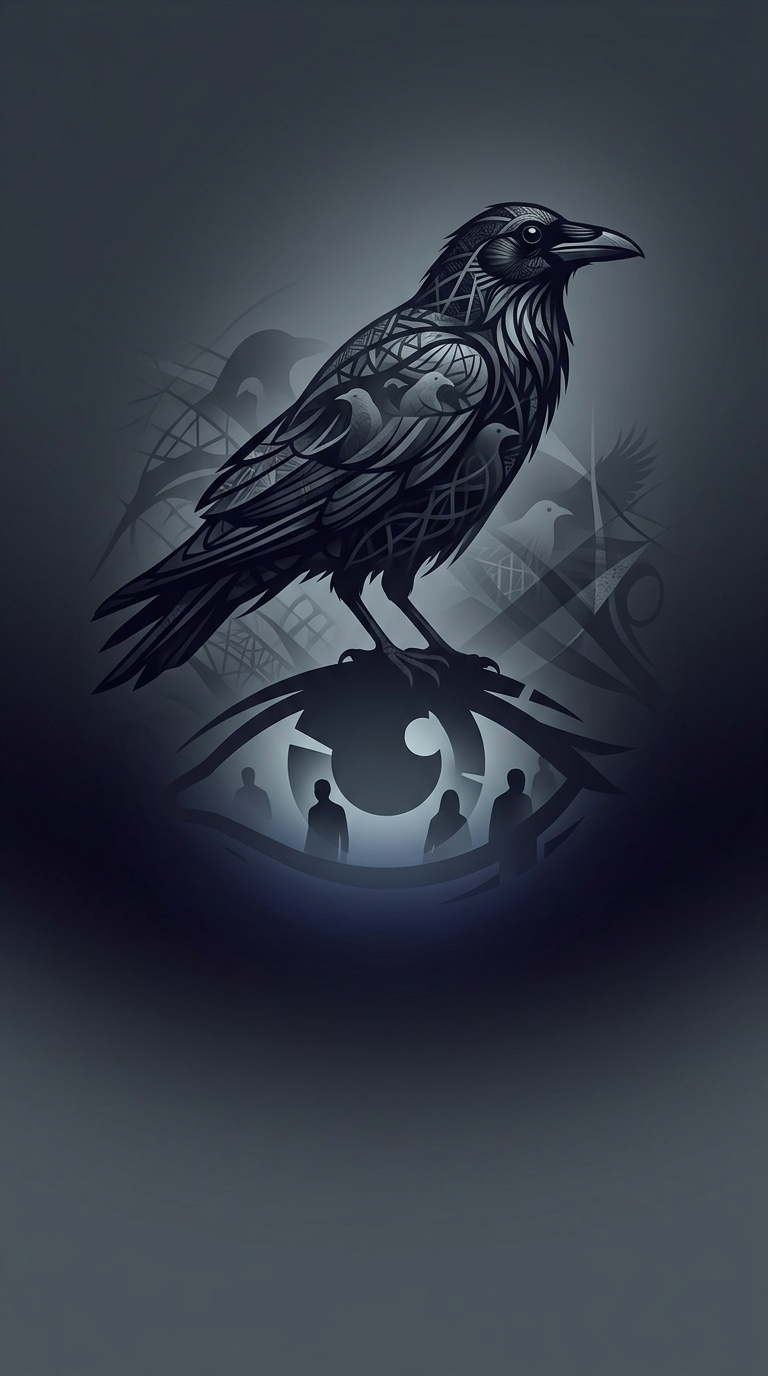
For a crow, a human face can become part of a learned threat cue. If an encounter ends in capture, harassment, or another frightening event, the bird can connect the person’s appearance with danger. Later, seeing that face may prompt alarm calls or avoidance—even when the person is behaving calmly.
This is not necessarily a humanlike grudge or a plan for revenge. It is a practical association: recognize a cue, remember its consequence, and respond before the danger returns. Crows can pick out people from visual details, rather than treating every human as the same, and the memory can persist across years.
The warning can travel through the flock
An alarm call does more than reveal that a crow is upset. It draws other birds’ attention to a possible threat. Crows that observe the caller’s reaction can learn to treat the same person as dangerous, even if they did not have the original bad encounter themselves. Those birds may then react in turn, allowing the warning to spread through a local group.
That social learning changes the scale of the memory. A person who once frightened one crow may be recognized and challenged by birds that were not present at the time. The response is useful because it lets crows share information about risk without each bird having to experience the risk firsthand. In a neighborhood, the result can be a warning that outlasts the original encounter—and a flock that remembers who started it.