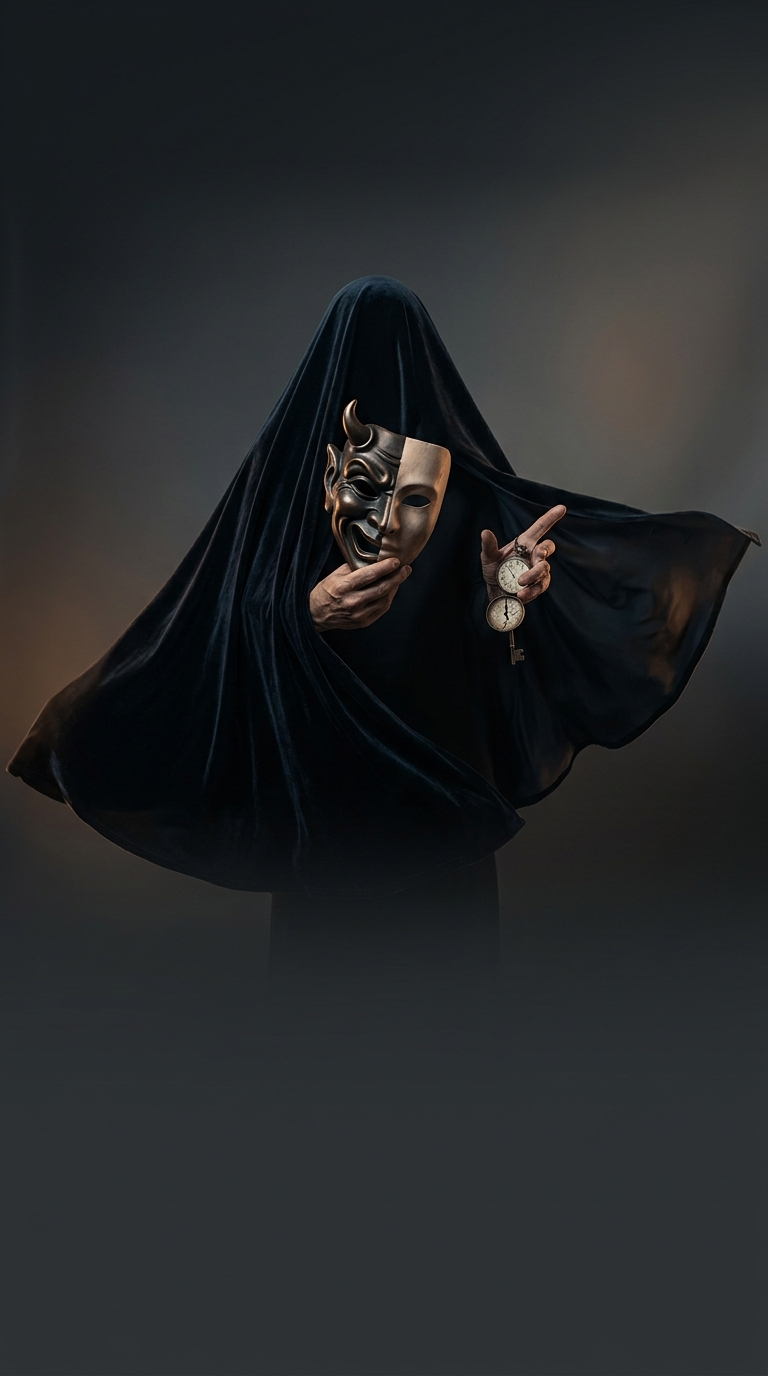
Satan as a Symbol, Not a Deity
For Anton LaVey, Satan was not a being to worship but a figure that could stand for resistance to religious authority and for the pursuit of earthly wants. That distinction shaped the Church of Satan: its central gesture was not allegiance to a supernatural enemy, but a deliberate rejection of the idea that virtue meant denying the self.
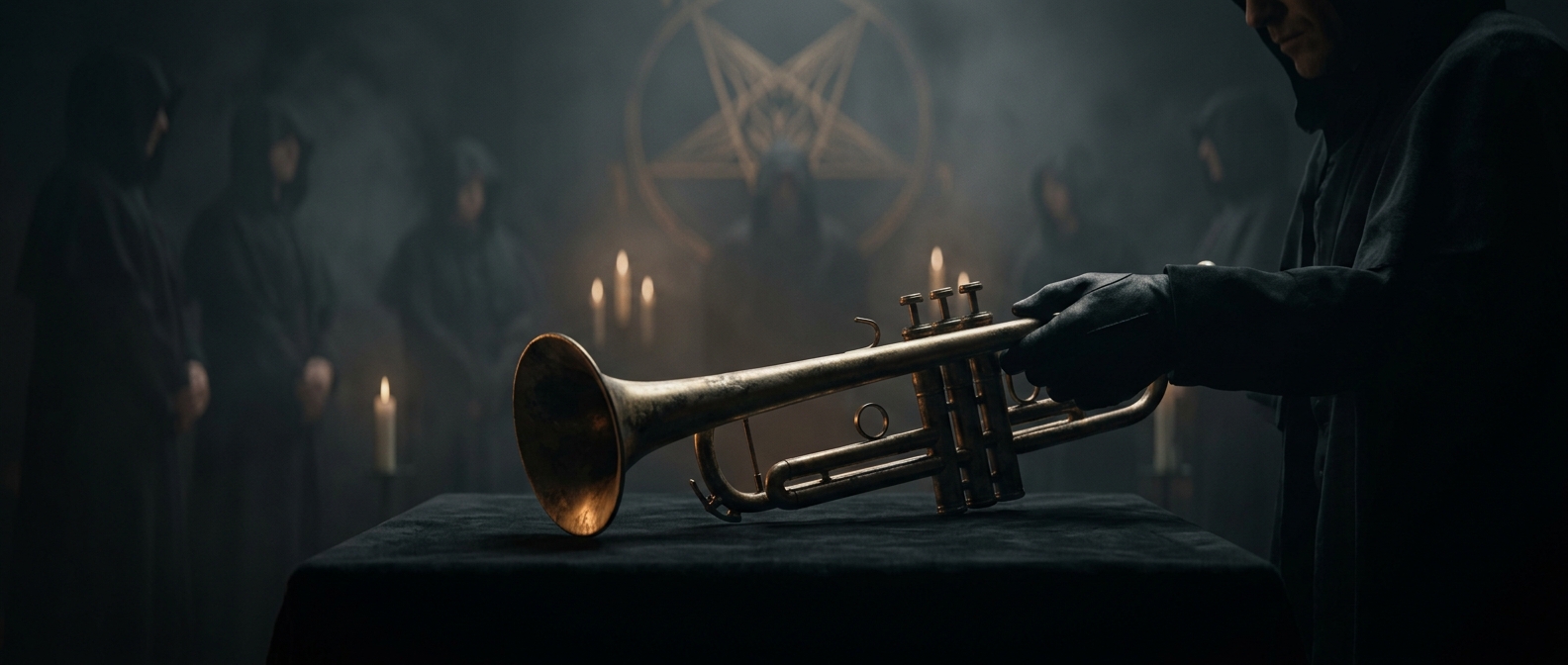
The name and imagery made that rejection unmistakable. A black cape, a stark setting, and carefully staged ritual turned an abstract philosophy into a public performance. The theatricality was part of the point: it gave adherents a way to dramatize ideas they considered forbidden or socially disapproved, rather than treating ceremony as proof that a devil existed.
Ritual as Deliberate Theater
In this approach, ritual can be understood as a structured emotional outlet. Participants use symbols, words, and dramatic gestures to focus feelings such as anger, grief, or desire. The ceremony may feel intense without requiring anyone to believe that supernatural forces have been summoned. The ritual’s power, in this view, lies in what it lets people express—not in a literal Satan acting behind the scenes.
That distinction also separates LaVey’s church from groups that do believe in a real Satan. Its striking appearance could invite outsiders to assume devil worship, while its stated philosophy pointed elsewhere: toward human appetite, individual will, and opposition to conventional religious morality. The black-clad ceremony was therefore both a ritual and a message about who gets to define acceptable belief.