The Star Who Lost at Being Himself
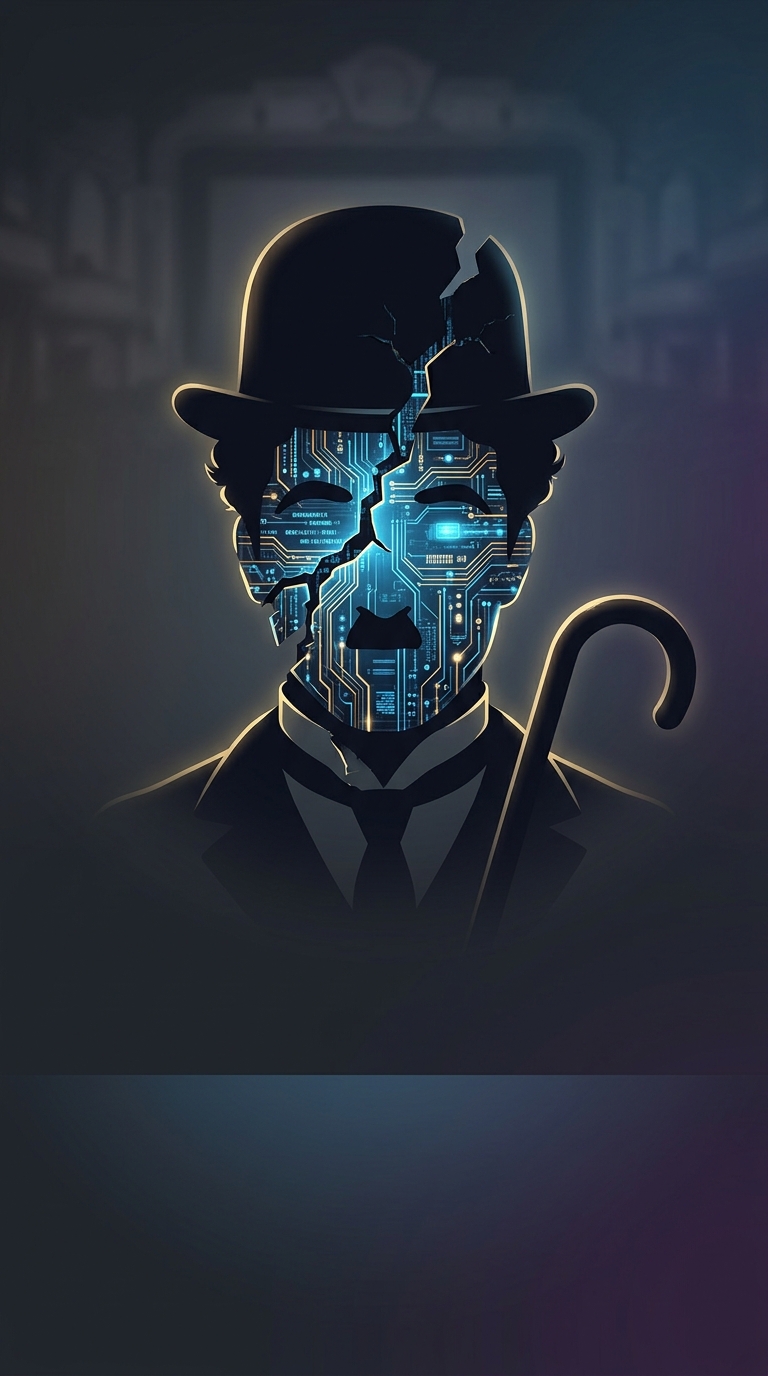
At the height of his fame, Charlie Chaplin supposedly entered a Charlie Chaplin look-alike contest—and failed to win. In the story’s most familiar version, he placed third. The joke is hard to improve on: the man whose tiny mustache, bowler hat, cane, and waddling walk had become instantly recognizable was judged less convincing than his imitators.
Why the Little Tramp Was So Easy to Copy
Chaplin’s screen character, the Little Tramp, was built from a handful of bold visual choices. The clothes made him look both shabby and oddly formal; the cane and oversized shoes gave his movements a distinctive rhythm. Audiences did not need dialogue to recognize him—or to imitate him. That made the character a natural subject for public contests, where resemblance could be judged at a glance.
The anecdote’s punchline depends on a gap between fame and performance. A contestant could copy the costume, but Chaplin’s screen persona also relied on precise timing and movement. In a look-alike contest, however, the judges were not necessarily watching for the full craft of a silent-film performance. They were picking the person who seemed most like the image they had in mind.
A Perfect Joke About Celebrity
Whether told as a contest in which Chaplin placed third or simply failed to win, the story turns his fame into its own comic trap: he had made the character so famous that strangers felt qualified to judge who played him best. The Little Tramp could be reproduced with a few borrowed props; Chaplin’s claim to the role was harder to score on a contest ballot.