Berlin’s first air raid reportedly killed an elephant
On the night of August 25, 1940, British bombers made the first Royal Air Force attack on Berlin. The raid came after German aircraft had bombed London, and it was intended as retaliation. It was small in scale: the bombers dropped relatively few bombs, and the damage in the German capital was limited.
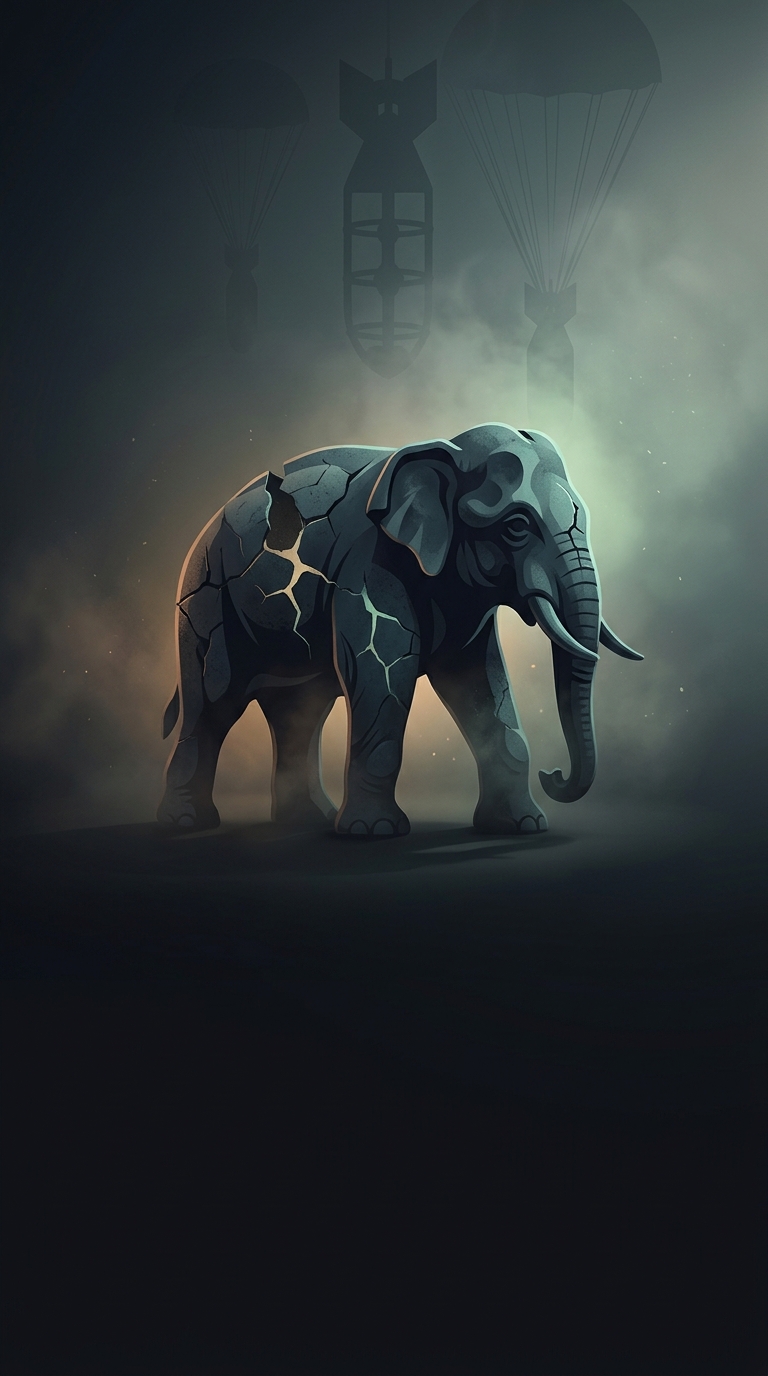
The raid’s most memorable reported casualty was an elephant at the Berlin Zoo. The animal’s death gave the attack a grimly unusual distinction: a vast wartime campaign had reached the capital, yet its best-known loss was not a person but a zoo resident.
A small raid with a larger consequence
The immediate physical damage was modest, but the attack mattered politically. Berliners had been told that the capital was beyond the reach of British bombers; the raid showed that it was not. It also helped make the bombing of cities part of the escalating cycle of retaliation between Britain and Germany.
The elephant story endures because it makes that escalation tangible. For one night, the war’s arrival in Berlin could be understood through a single, unexpected loss inside the city’s zoo.