When Wartime Mail Missed Its Destination
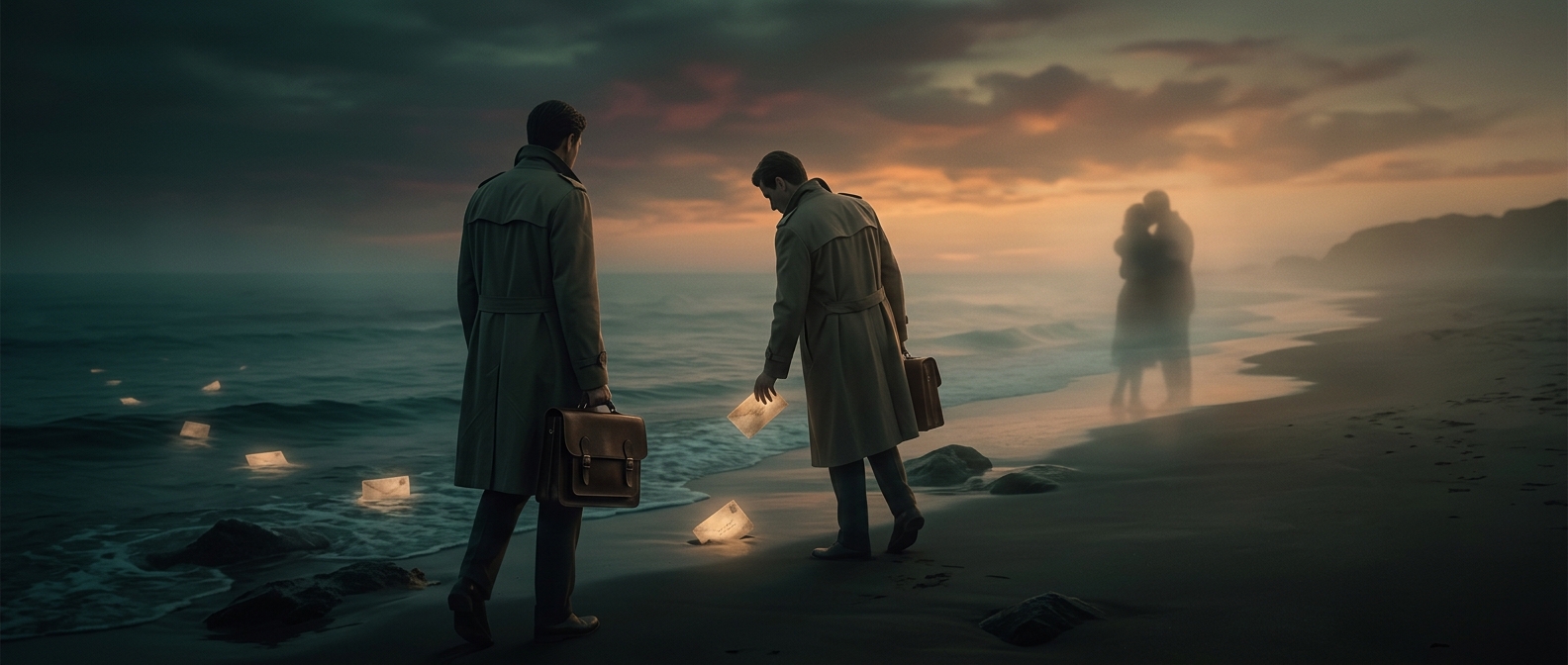
A letter sent during World War II was part of a journey, not a direct handoff. It had to pass through a military postal system shaped by troop movements, shipping routes, and the dangers of travel during wartime. When letters went missing at sea, the people they were meant for could be left with no way to hear the writer’s words—and no certainty about what had happened to them.
A Voice Returned to the Family
The letters’ later recovery changed their meaning. They were no longer simply delayed messages; they were surviving traces of a relative at a particular moment in the war. Family members could encounter the soldier’s own words rather than rely only on later recollections or family stories.
That is why an old letter can restore more than information. Its handwriting and everyday phrasing preserve a personal voice that official records rarely capture. The mail’s long interruption turned an intended private exchange into an unexpected inheritance: generations later, relatives could finally read what had been written for someone waiting at home.