Berlin’s zoo became the story
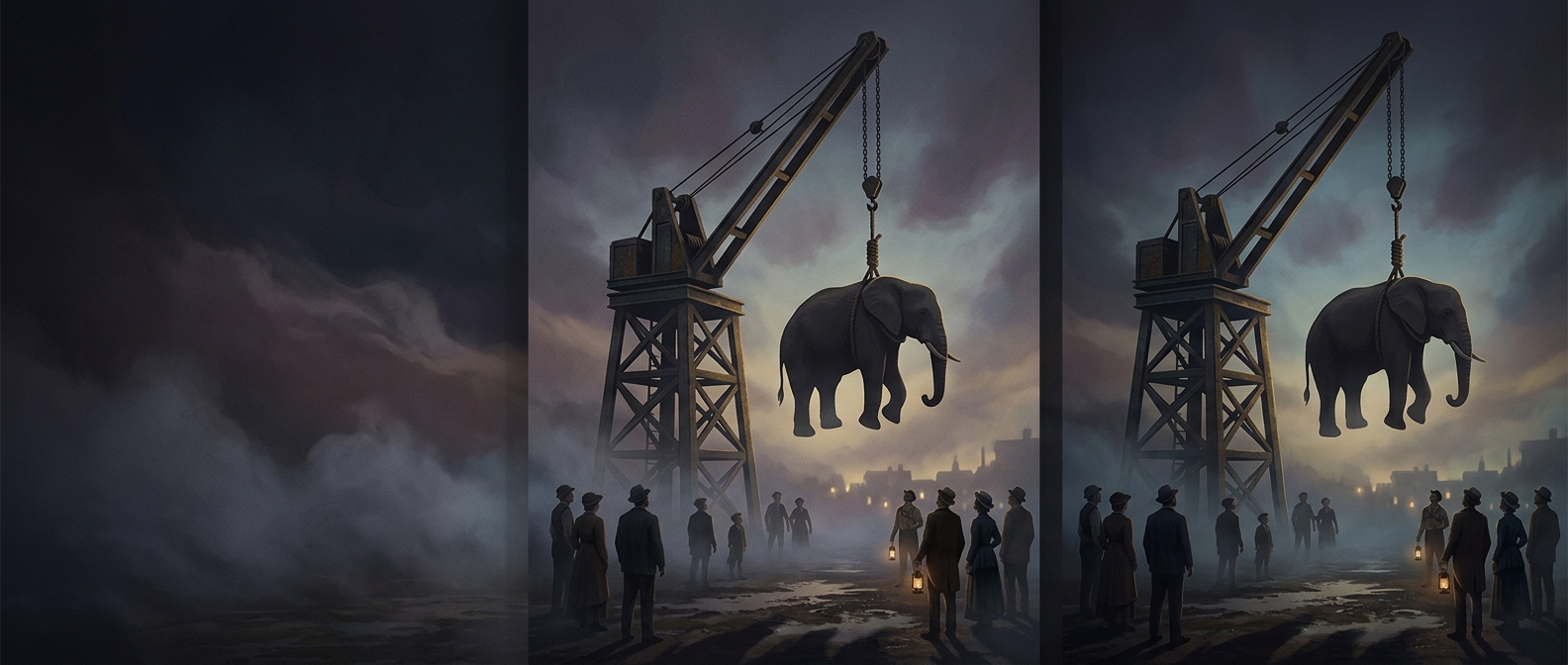
When British aircraft dropped the first Allied bombs on Berlin in 1940, the raid did not strike the strategic military targets its planners were seeking. Instead, one of its most memorable consequences was the death of an elephant at the city’s zoo. That contrast gave German propagandists a vivid image: British bombs had killed an animal, not damaged a military installation.
Why the miss mattered
A bombing raid was judged by what it could disrupt—such as military facilities—not simply by whether bombs fell inside the target city. In Berlin, the failure to hit strategic targets made the raid easy to portray as both ineffective and cruel. The elephant’s death turned an abstract claim about poor accuracy into a story people could picture and remember.
Propaganda did not need to prove that the raid had no military purpose; it could emphasize the most emotionally striking result instead. The episode shows how, in wartime, a failed attack could still have consequences beyond physical damage: its unintended victim became a potent symbol for the other side.