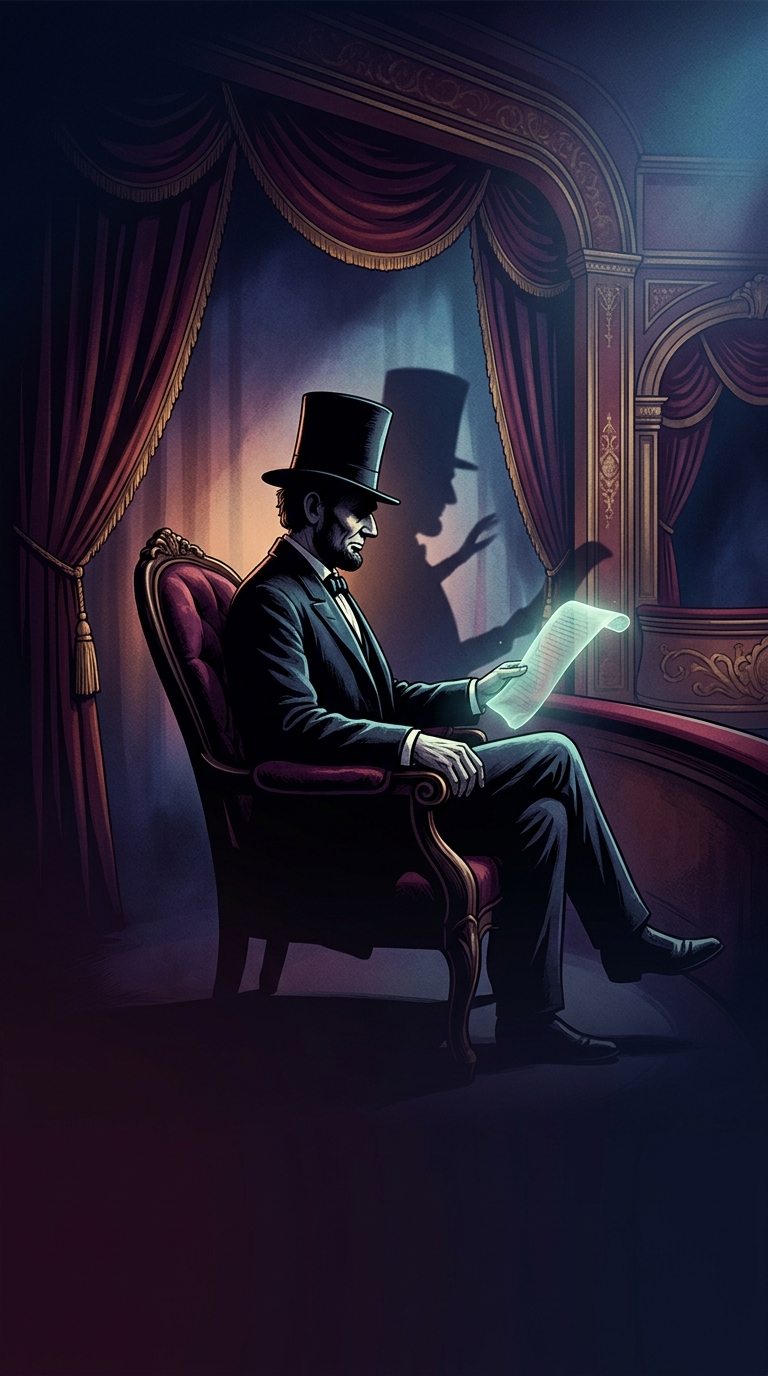
The Secret Service began as a currency-policing agency
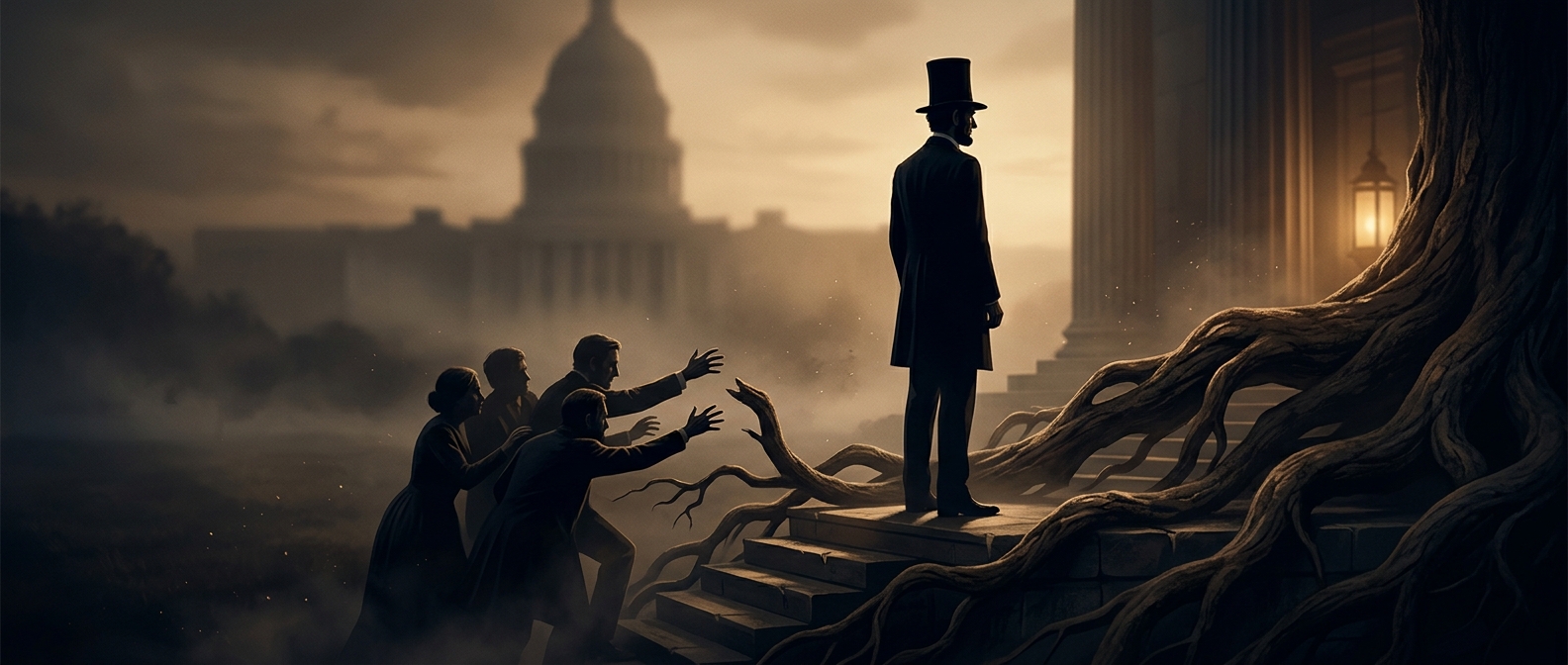
On April 14, 1865—the day John Wilkes Booth shot Abraham Lincoln—the president signed legislation creating the U.S. Secret Service. The coincidence is striking, but the agency was not founded to guard the president. Its original job was to investigate counterfeiting, a serious problem for a country whose money system had been transformed by the Civil War.
Why counterfeit money was a national problem
During the war, the federal government issued paper currency to help pay its costs. With many different notes in circulation, counterfeiters could imitate money and undermine public confidence in its value. Before the Secret Service existed, responsibility for investigating counterfeiting was scattered among different authorities, making it difficult to pursue cases consistently across state lines.
The new agency was placed within the Treasury Department and focused on detecting counterfeiters and supporting their prosecution. In other words, its founding mission concerned the integrity of the nation’s money, not the safety of its leader.
The later meaning of the coincidence
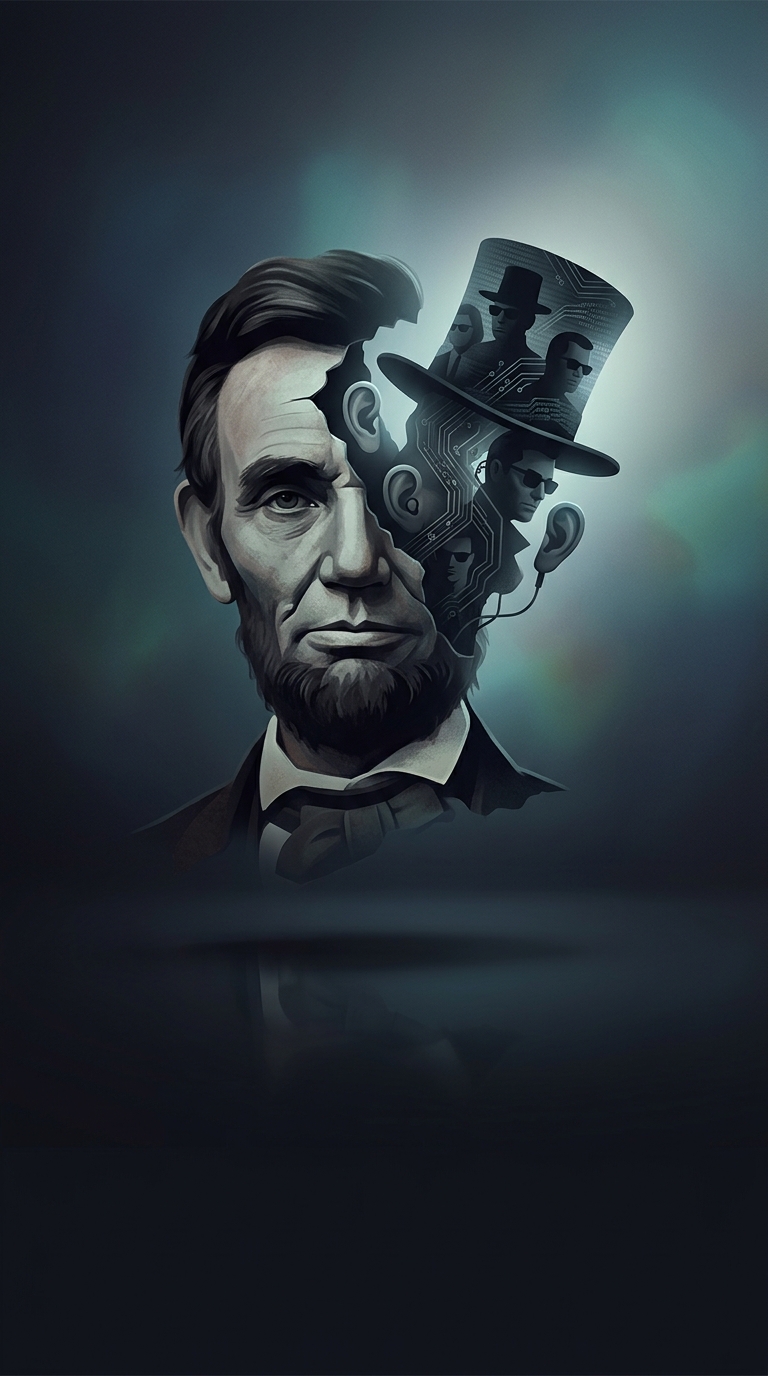
The agency’s association with presidential protection came later. That makes the timing especially haunting in retrospect: on the night Lincoln was killed, he had signed into existence an organization that would eventually become closely identified with guarding presidents. But that later role should not be projected backward onto the law he signed. The original legislation addressed a financial threat, not an assassination threat.