A Horse’s Name on the Map
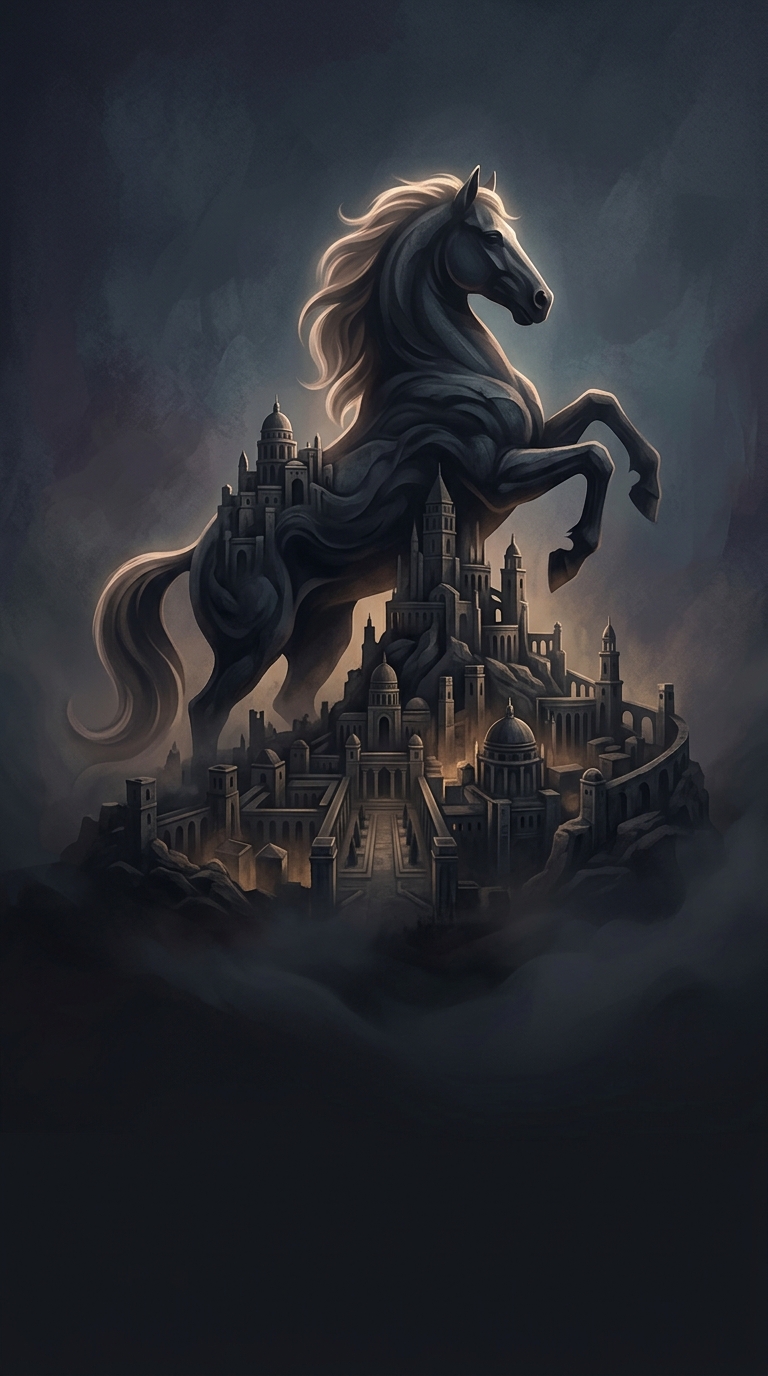
After the battle at the Hydaspes River in 326 BCE, Alexander founded a city called Bucephala in honor of Bucephalus. The horse had died by then, according to the traditional account. The name made a companion’s memory part of the landscape Alexander’s army had crossed to reach the battle.
The city was more than a personal monument. Alexander’s new settlements could help secure territory and support his forces, and Bucephala’s position near the Hydaspes tied the tribute to a strategically important river crossing. Its precise location is uncertain, but it is generally associated with the region of the modern Jhelum River in Pakistan.
Why This Horse Mattered
The bond began, in a famous story preserved by the ancient biographer Plutarch, when the young Alexander realized that Bucephalus was frightened by the sight of his own shadow. Alexander turned the horse toward the sun so the shadow fell behind him, then mounted and rode him. The episode presents the partnership as a meeting of courage and close observation: Alexander did not simply overpower the animal; he noticed what was causing its fear.
Bucephalus then carried Alexander through years of campaigning. Founding a city in his name transformed that private history into a public marker. Soldiers and settlers entering the new place would encounter the horse’s name not as a passing anecdote, but as part of the geography of Alexander’s expanding realm.