Fungi Are Closer to Animals Than to Plants
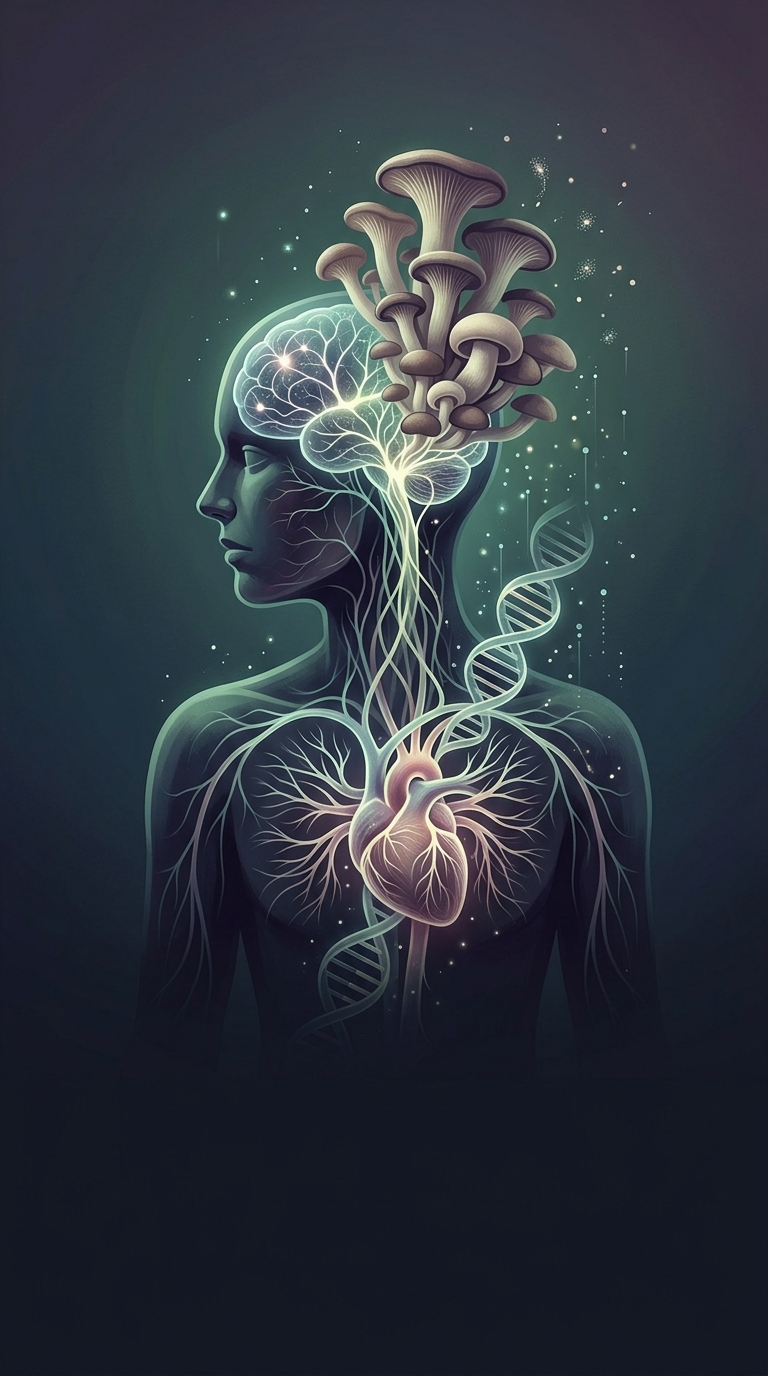
A mushroom may look like a plant, but its family tree tells a different story. Fungi and animals share a more recent common ancestor with each other than either does with plants. That does not make fungi animals: they belong to their own kingdom, with a distinct way of living.
The resemblance to plants is mostly about appearance. Plants make sugars from sunlight through photosynthesis. Fungi cannot do that. Instead, they get energy by breaking down organic material and absorbing the resulting nutrients.
Digestion Happens Outside the Body
A fungus releases enzymes—molecules that break complex materials into smaller pieces—into its surroundings. The fungus then absorbs the usable nutrients. This lets fungi feed on things such as fallen leaves, dead wood, and other organic matter, even when those materials are tough to break down.
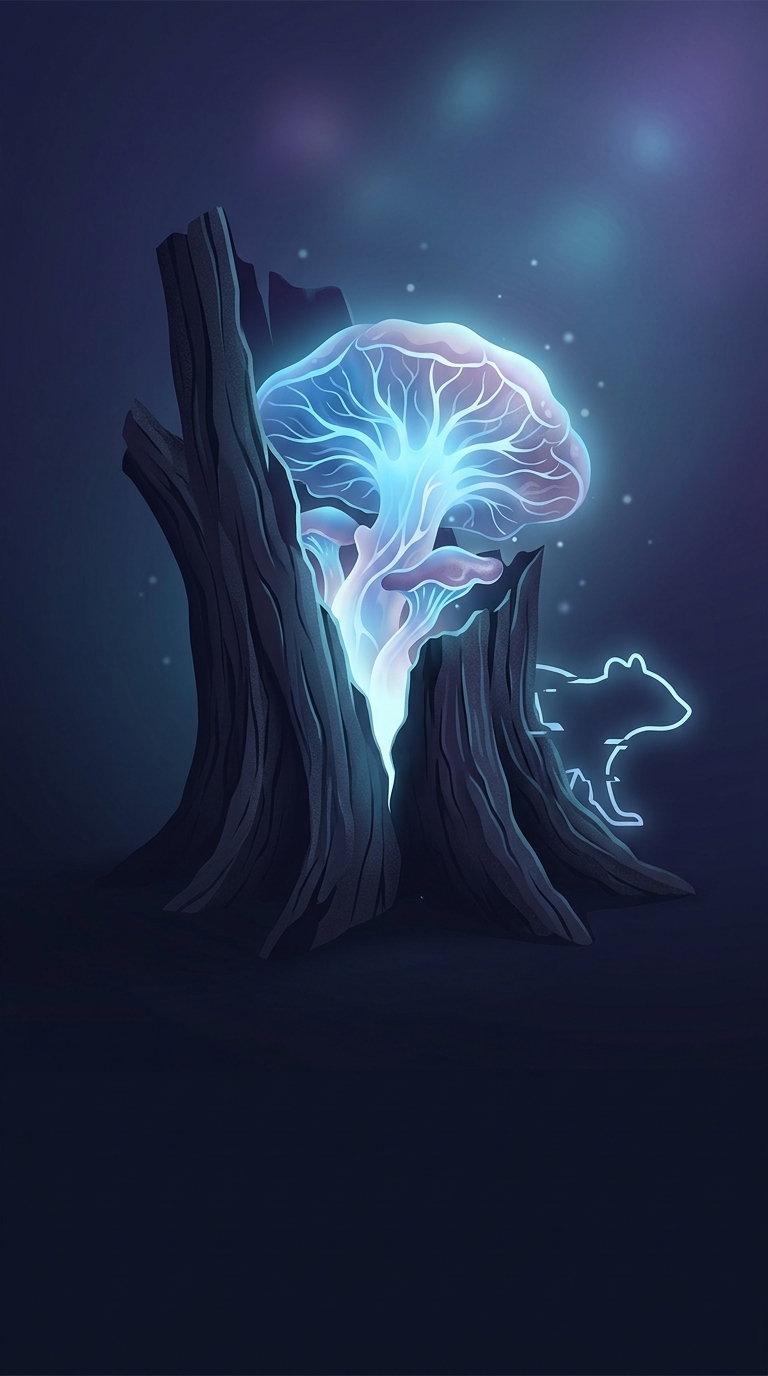
Many fungi grow as mycelium, a branching network of fine filaments called hyphae. The network spreads through soil, wood, or another food source, digesting it bit by bit. A mushroom is often just the visible, spore-producing structure; much of the fungus may remain hidden in the material it is feeding on.
A Different Branch, a Different Role
Fungi also differ from plants in their cell walls: fungal walls contain chitin, a tough material also found in the outer coverings of insects, rather than the cellulose typical of plants. Together, their feeding method, cell structure, and evolutionary history set fungi apart from both familiar categories.
That distinction matters in ecosystems. By digesting dead organisms and tough plant material, fungi return nutrients to soil and make them available to other life. The mushroom on a log is not a small plant growing from the wood; it is the visible part of a separate kind of organism already working through it.