When Work Stops Having a Closing Time
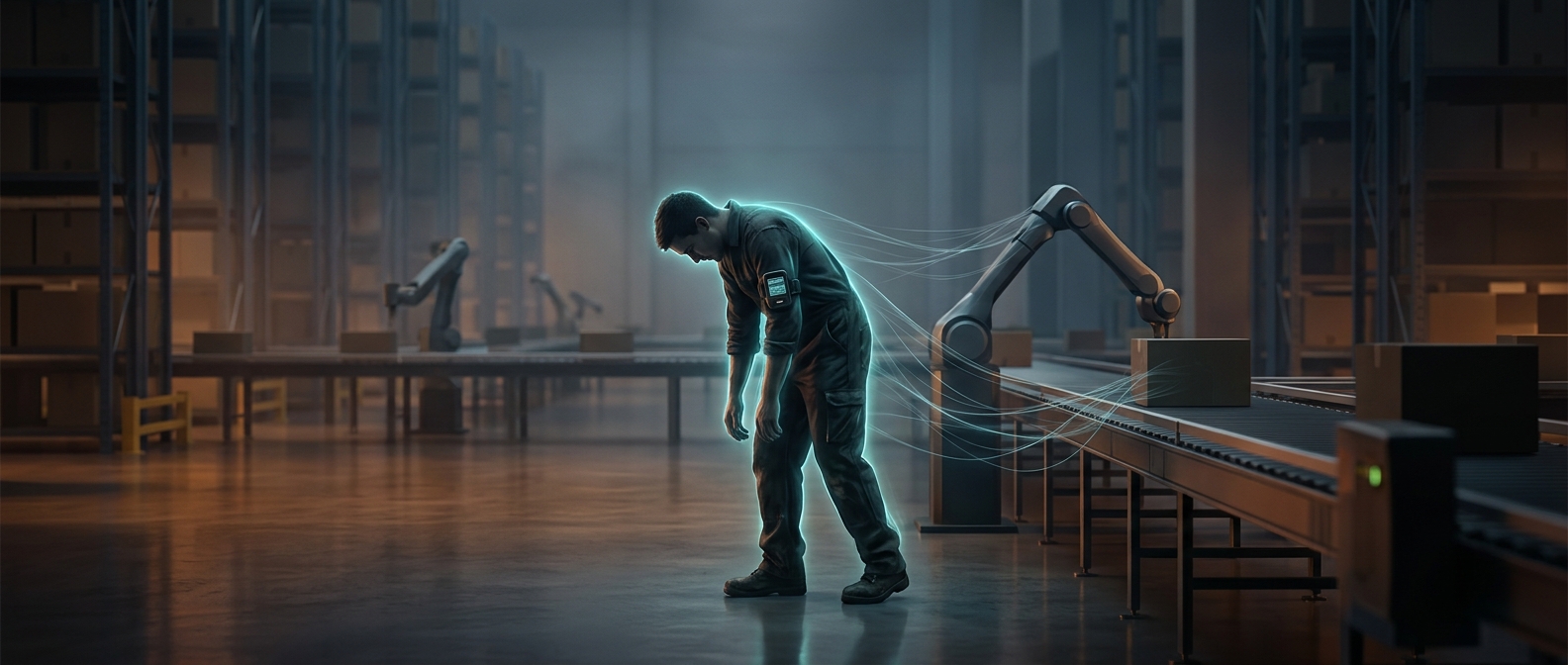
A physical office gives work some natural boundaries: people leave the building, meetings happen during shared hours, and a colleague who is unavailable is visibly away. Remote work replaces many of those cues with software. Email, chat, project boards, and automated alerts keep the work visible—and reachable—wherever someone happens to be.
That visibility can make coordination easier, especially when teammates are separated by time zones. But it also changes the rhythm of a job. A message sent late in one person’s day may be waiting for another person at the start of theirs. If teams treat every channel as urgent, workers can feel pressure to monitor them even when no single message requires an immediate reply.
Automation Changes the Work, Not Just Its Speed
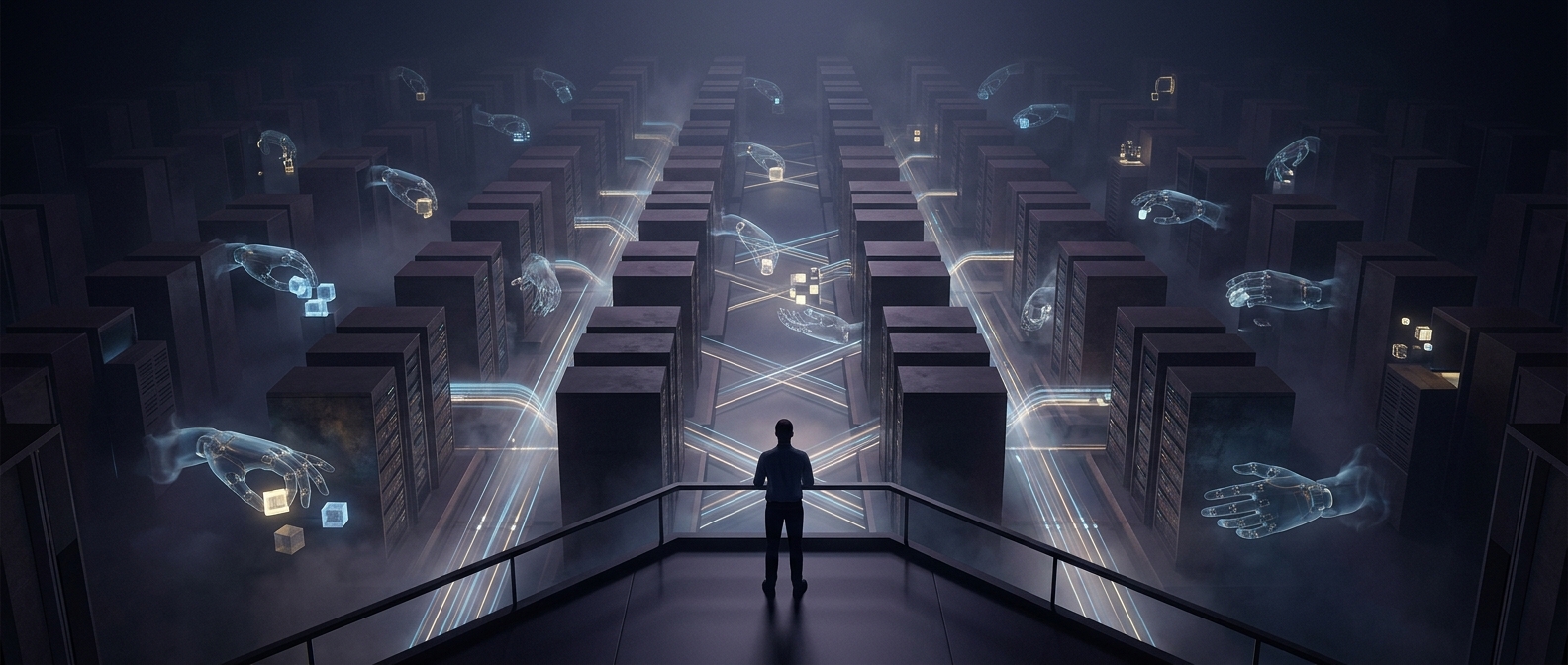
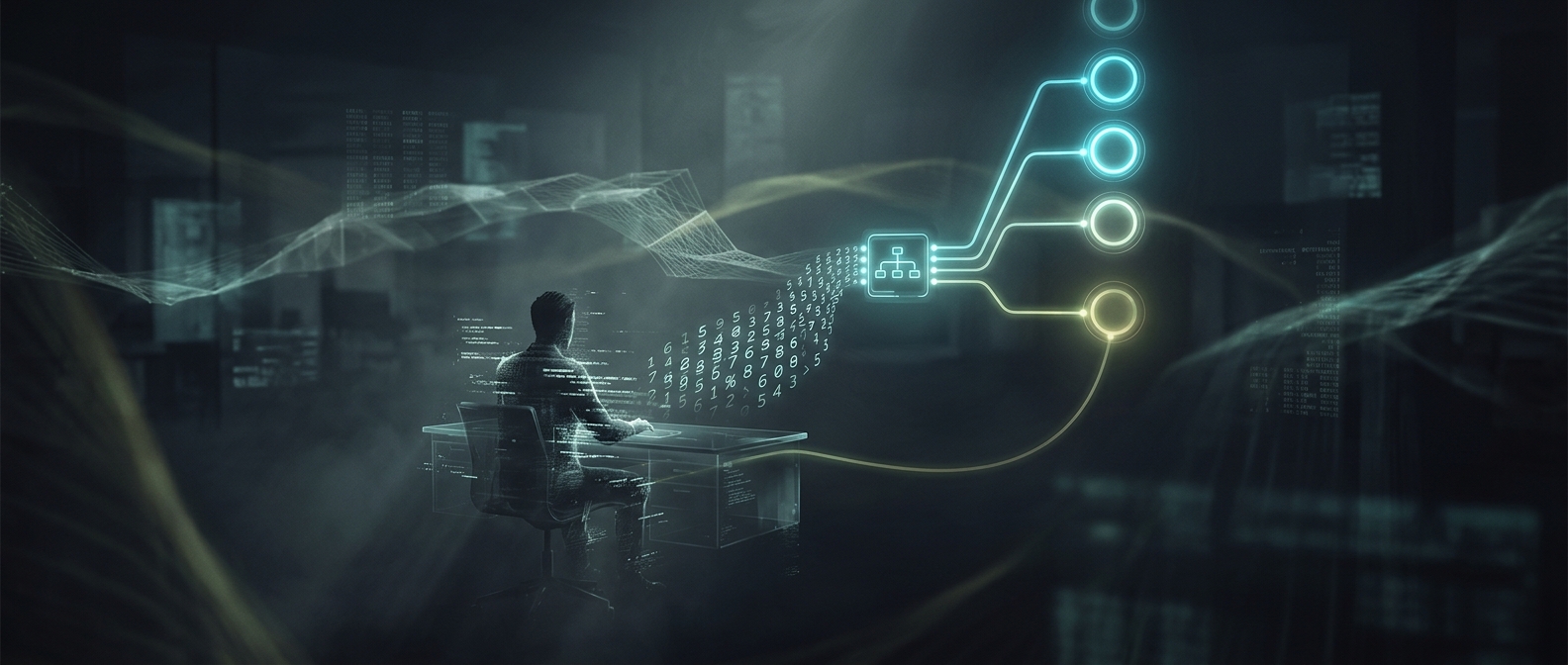
Automated systems can sort requests, draft text, flag anomalies, or complete repetitive steps. Yet their output still has to fit the situation. A worker may need to check whether a draft is accurate, correct a misread instruction, or handle an exception the system cannot resolve.
That review is a form of work in its own right. It can be hard to see because the task appears finished on screen, even when a person must supply judgment before the result is safe or useful. The more routine steps software takes over, the more a role may shift toward checking, editing, and deciding what to do when the process breaks down.
The New Boundary Is a Team Decision
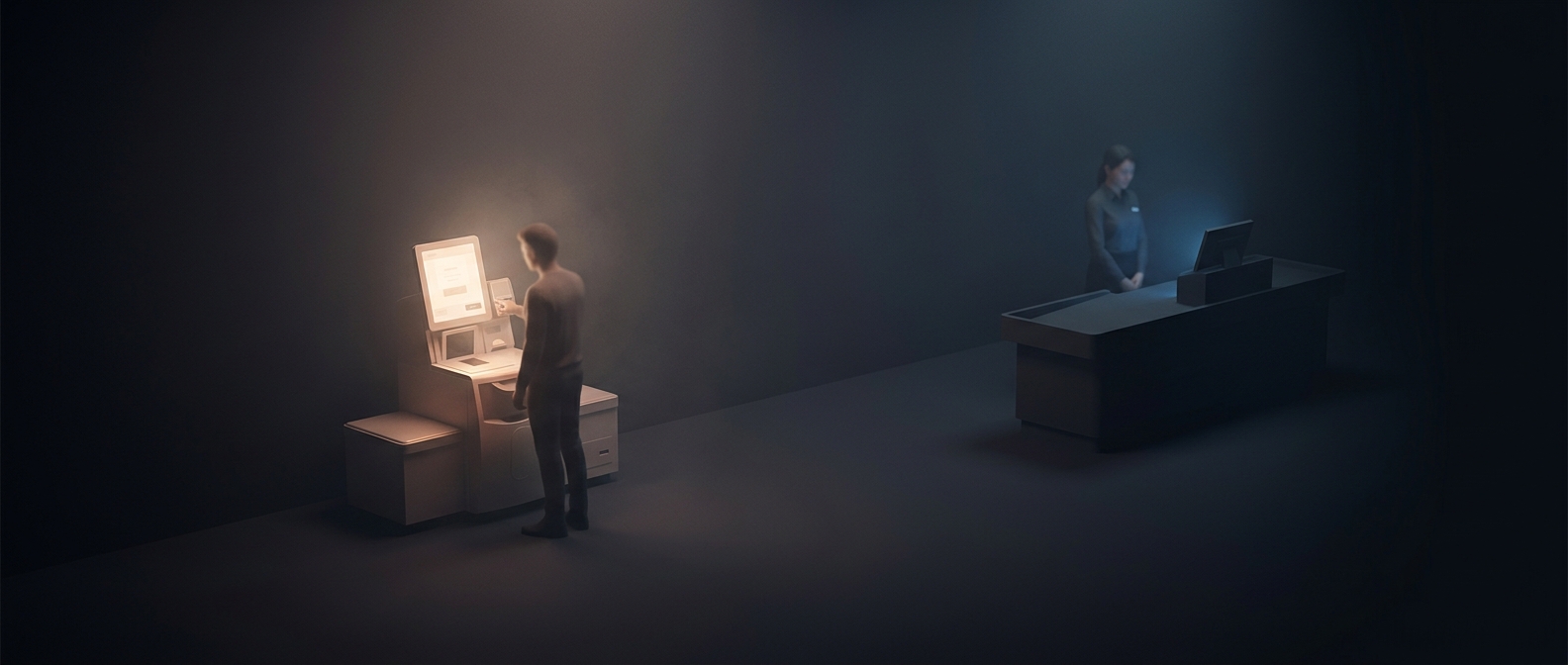
Remote work and automation do not automatically make every job continuous. The practical difference comes from expectations: which messages can wait, who owns an automated system’s mistakes, and when a task is considered complete. Without clear answers, convenience can quietly become constant availability—and the human review that keeps automated work reliable can disappear into the background.