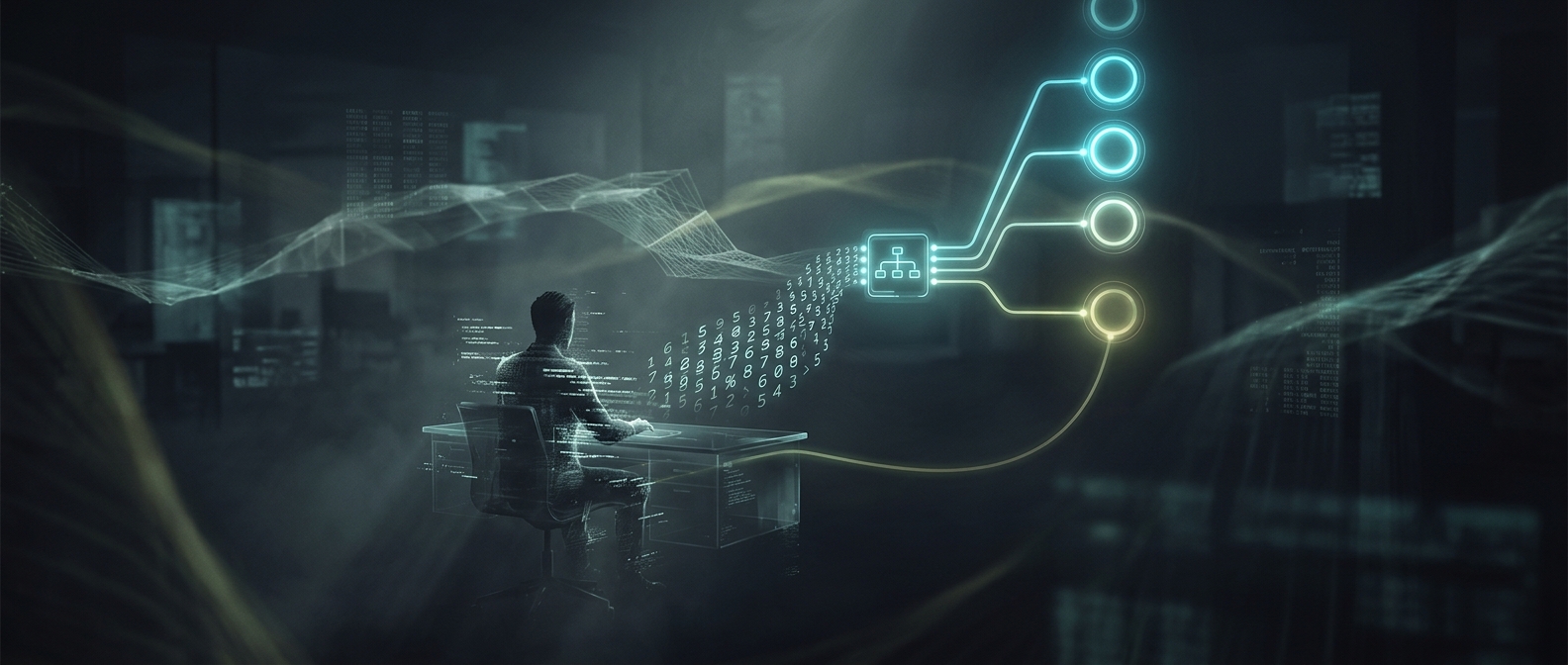
The gap between visible activity and useful work
A monitoring tool cannot directly observe concentration, judgment, or the quality of a decision. It can record events that software can detect: a key pressed, a mouse moved, an application opened, or a stretch of time without input. Some systems combine those signals into summaries or activity scores, making scattered traces of computer use stand in for a worker’s day.
That substitution is convenient because the data are easy to collect and compare. But a quiet screen can mean very different things. Someone may be reading a contract, planning a design, or weighing an unusual problem—all work that can require long pauses. Conversely, frequent clicks show interaction, not necessarily progress.
When the measure changes the work
Once a score is used to judge performance, it can shape behavior. Workers may feel pressure to keep their computers visibly active, even when a pause would help them think or when their most important task happens away from the keyboard. The metric then rewards what it can count rather than what the job is meant to accomplish.
This is a measurement problem, not simply a matter of choosing a better threshold. In roles where output is difficult to capture as a number, activity traces can provide limited context, but they cannot establish quality or explain why work took time. A fairer assessment has to connect digital signals to actual responsibilities and results—and allow for the fact that valuable work is sometimes invisible between keystrokes.