A closer look
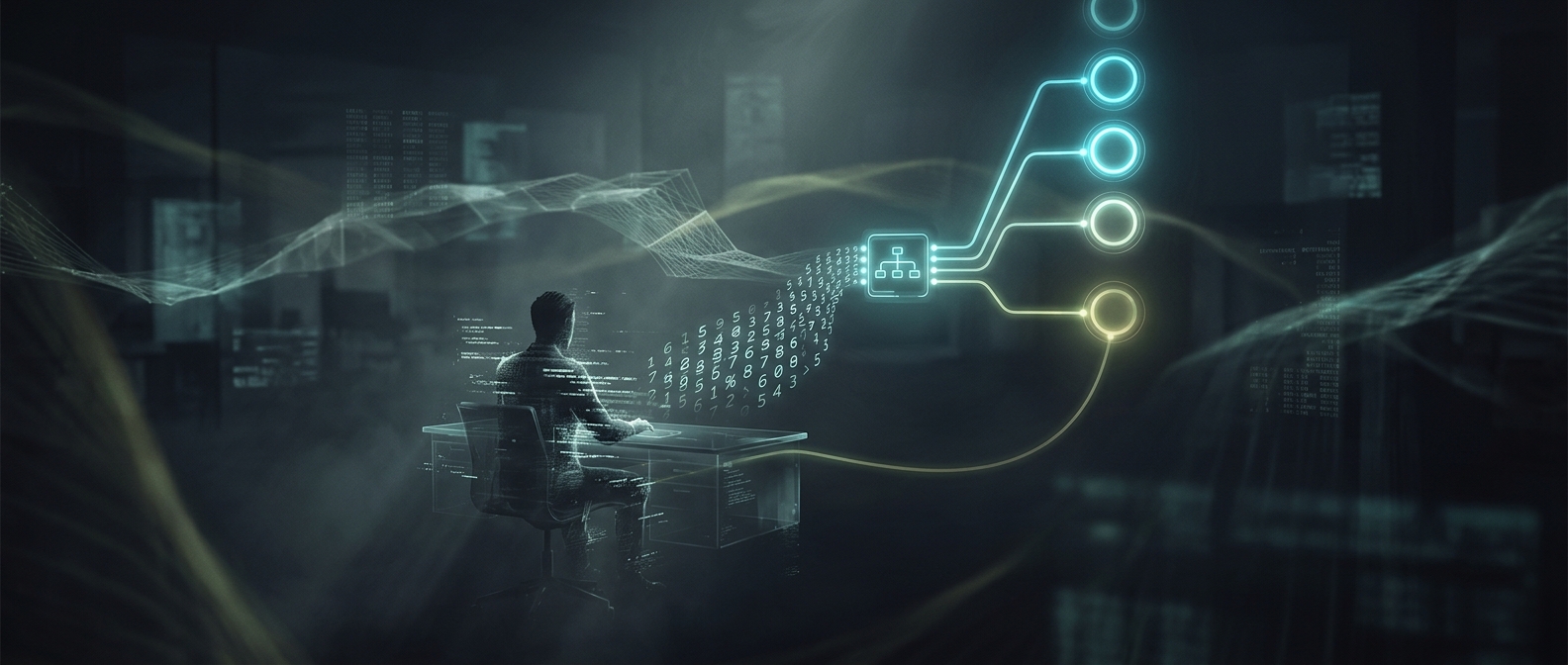
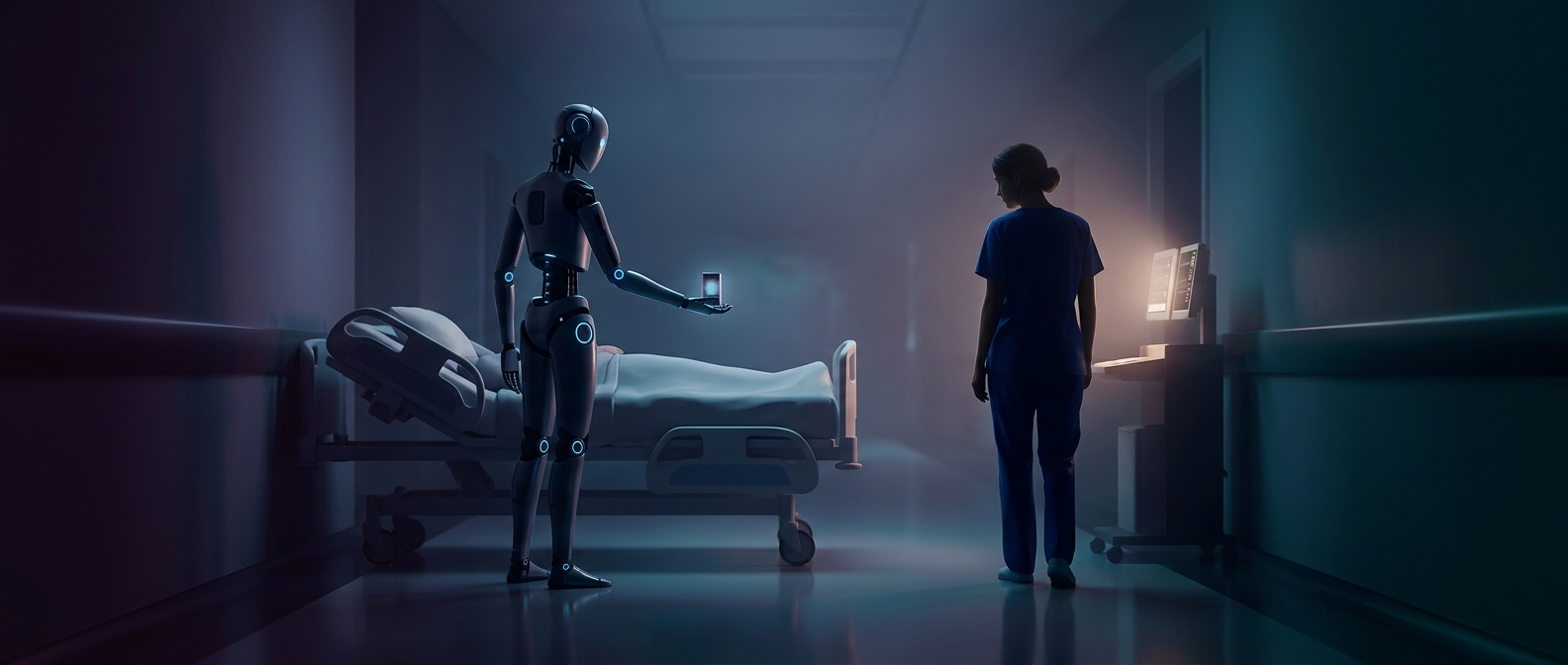
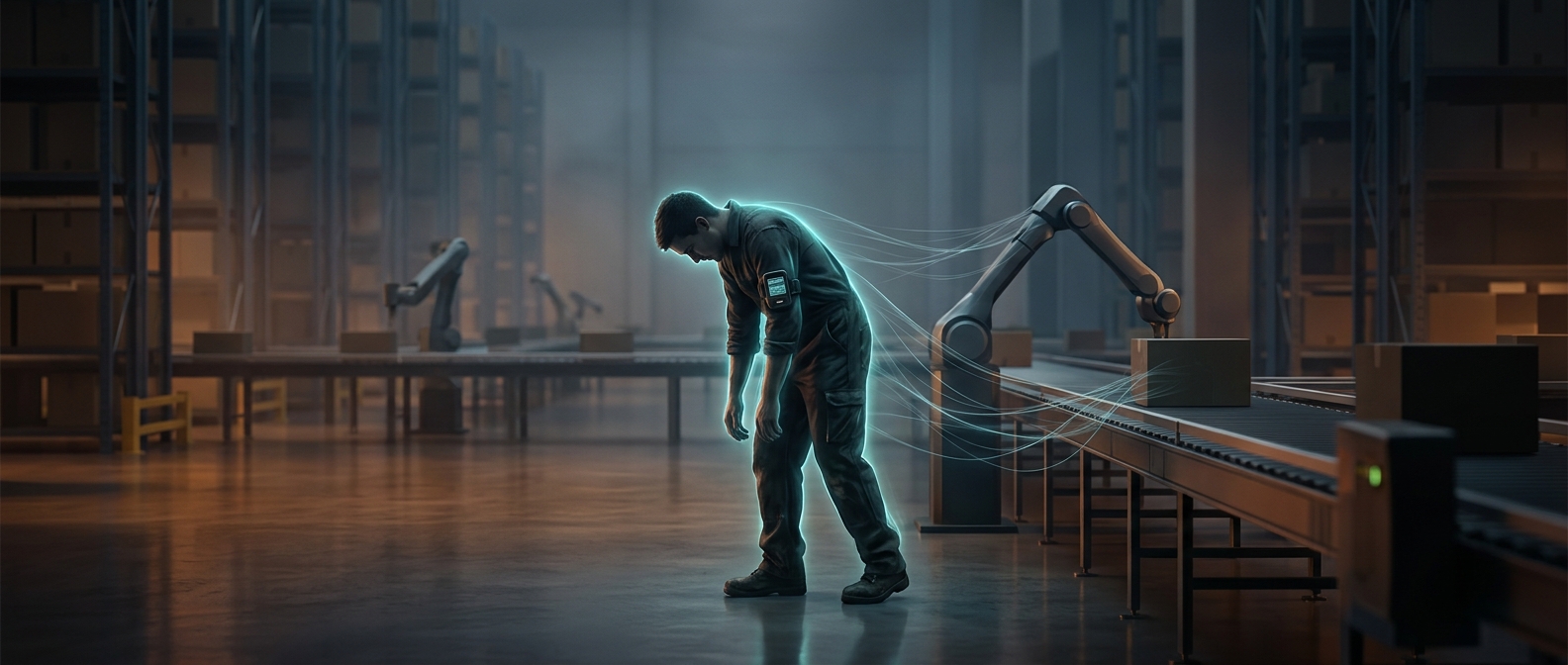
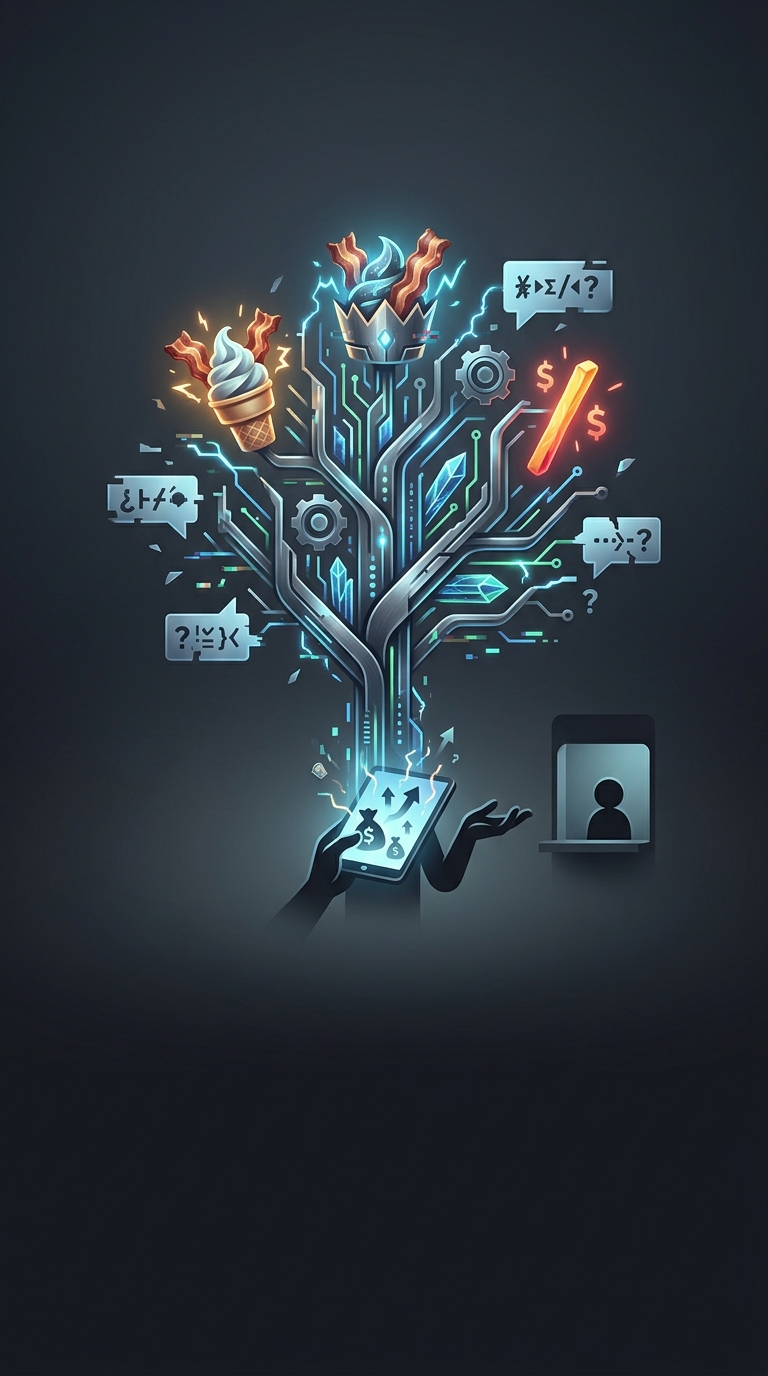
Machines make choices in microseconds—calculations faster than any human could hope to manage. From self-driving cars to financial systems, this speed is dazzling but also troubling. When outcomes go wrong—a glitch, a crash, a decision that hurts—blame becomes a slippery shadow. Is it the programmer, the company, the regulator, or the code itself? The puzzle feels like placing blame on a wind gust for knocking down a house built too carelessly. As machines keep rising into decision-making roles, society faces one of its most puzzling ethical riddles: who is truly responsible when no single human touched the choice?