Why Night Buses Gather Near Closing Time
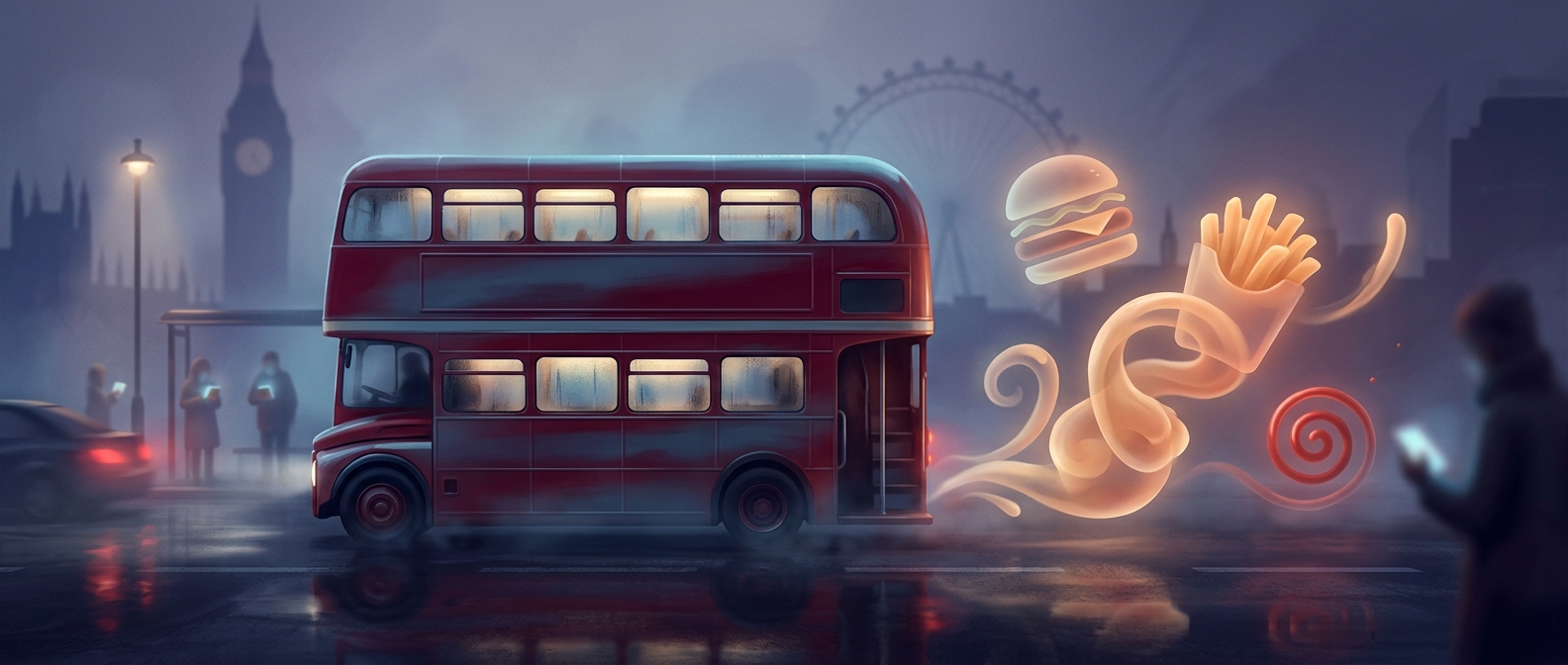
A pub district can be quiet for much of the night and suddenly send hundreds of people toward the same stops when venues close. That creates a different planning problem from daytime commuting: demand arrives in a short wave, often from a few concentrated streets, rather than building gradually across the network.
If buses are scheduled as though passengers will appear evenly over time, the first vehicle can fill quickly while people arriving moments later face a long wait. The result is not just inconvenience. A dense queue can spill onto narrow pavements or leave people trying to find alternatives late at night.
Turning Closing Patterns Into a Service Plan
Route planners can use where nightlife is concentrated and when venues tend to empty to decide which corridors need night service and when buses should run. A route that passes near several busy clusters can collect passengers from more than one area; service timed around the end of the night can meet the surge before it disperses into smaller groups heading home.
The aim is not to send a bus to every pub door. It is to connect nightlife districts with the wider network while giving passengers a clear place to board. Stops and routes must also work for ordinary street conditions: buses need space to pull in, and passengers need room to wait without blocking the pavement.
The Tradeoff After Last Call
Crowds do not leave every venue at precisely the same moment, and demand can vary by night. Running enough buses for the busiest wave may mean some vehicles are lightly used at other times; running fewer can leave a sudden queue with no quick way home. The timetable is therefore a compromise between concentrated demand and the cost of providing service across a long, uneven night.
That planning changes the street-level experience of closing time: instead of everyone scattering to compete for a ride, more passengers can funnel toward known stops and board vehicles designed to carry them away in waves.