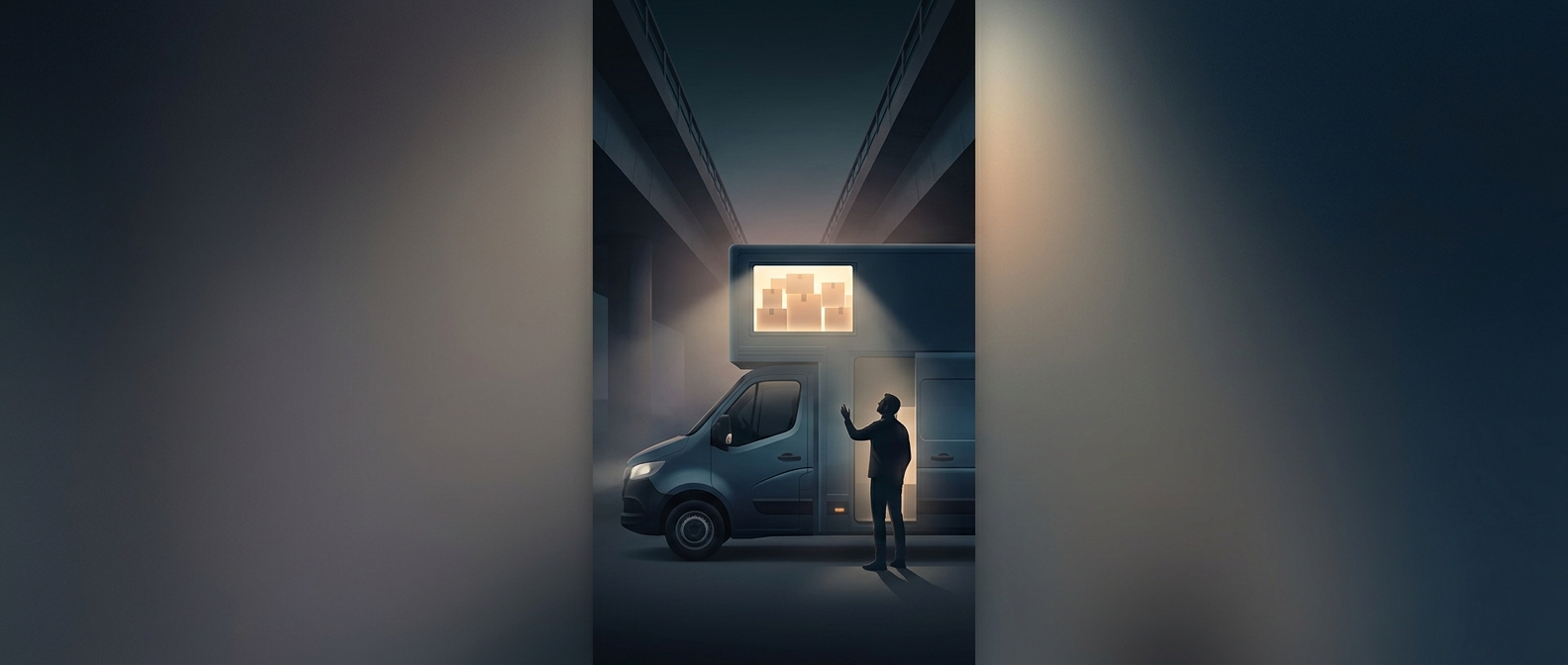
Why the Box Extends Over the Cab
A Luton van’s body is built as a tall, box-shaped compartment, with a projecting section above the driver’s cab. That section makes use of space that would otherwise be outside the cargo box, adding capacity without making the vehicle longer. The extension is often called a Luton peak.
The shape is especially useful for bulky but relatively light items, such as furniture, mattresses, or stacked boxes. Because the space sits above the cab rather than behind the rear doors, it can also accommodate long loads that might not fit neatly within the main compartment.
The Trade-Off Behind the Extra Space
A larger box gives movers more room in a single trip, but it also raises the vehicle’s profile and adds weight. The over-cab section must be supported as part of the body, and drivers have to account for the van’s full height around low bridges, branches, and other overhead obstacles. Cargo placed high can also affect how the vehicle handles, so the extra space is most useful when loads are packed securely and weight is distributed sensibly.
The design’s practical appeal is simple: it adds a useful cargo zone while keeping the van’s length—and therefore the space it occupies on the road—much the same. That is why the distinctive bulge above the cab is more than a styling feature: it is storage built into the vehicle’s outline.