How a London warehouse lent its name to a van
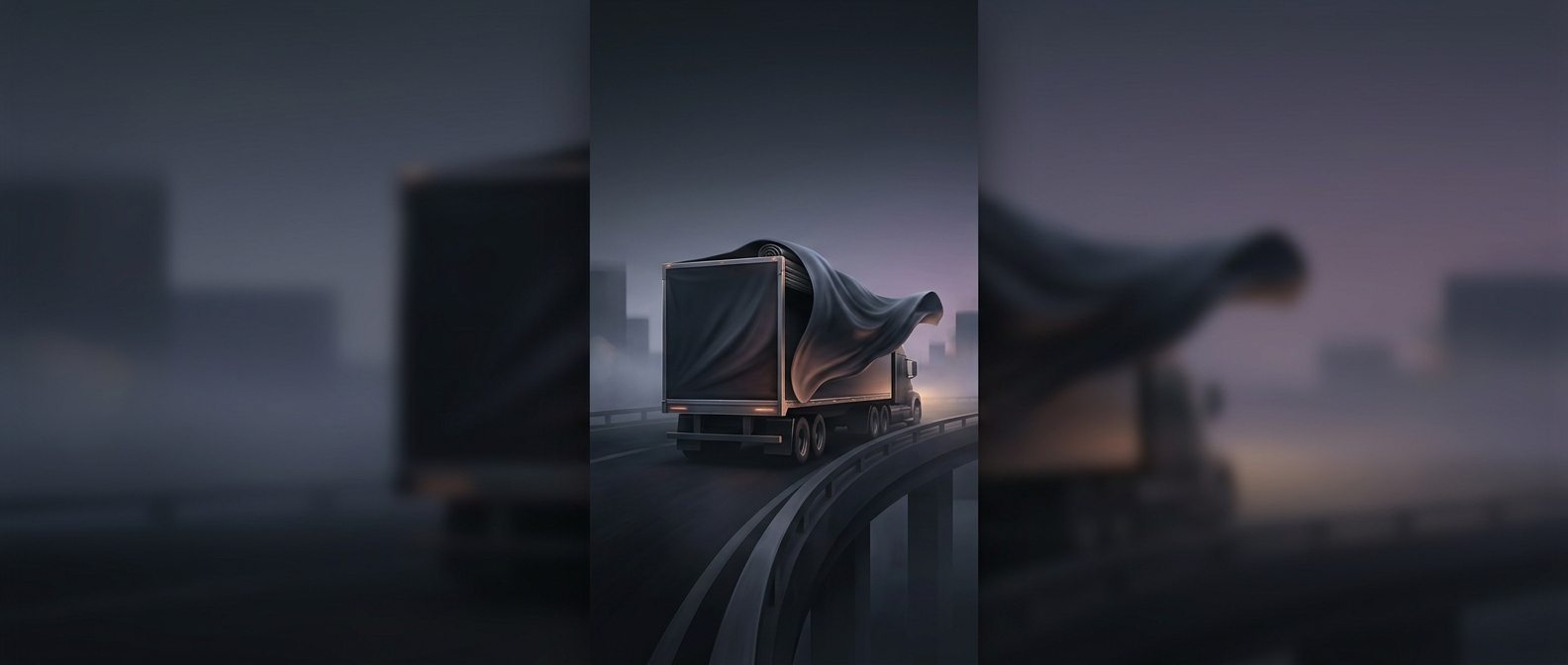
A pantechnicon began as a building, not a vehicle. London’s Pantechnicon stored furniture and other goods on a scale that made its name closely associated with the business of keeping and moving bulky possessions. Over time, the word shifted from the place to the kind of transport used for that work: a large moving van.
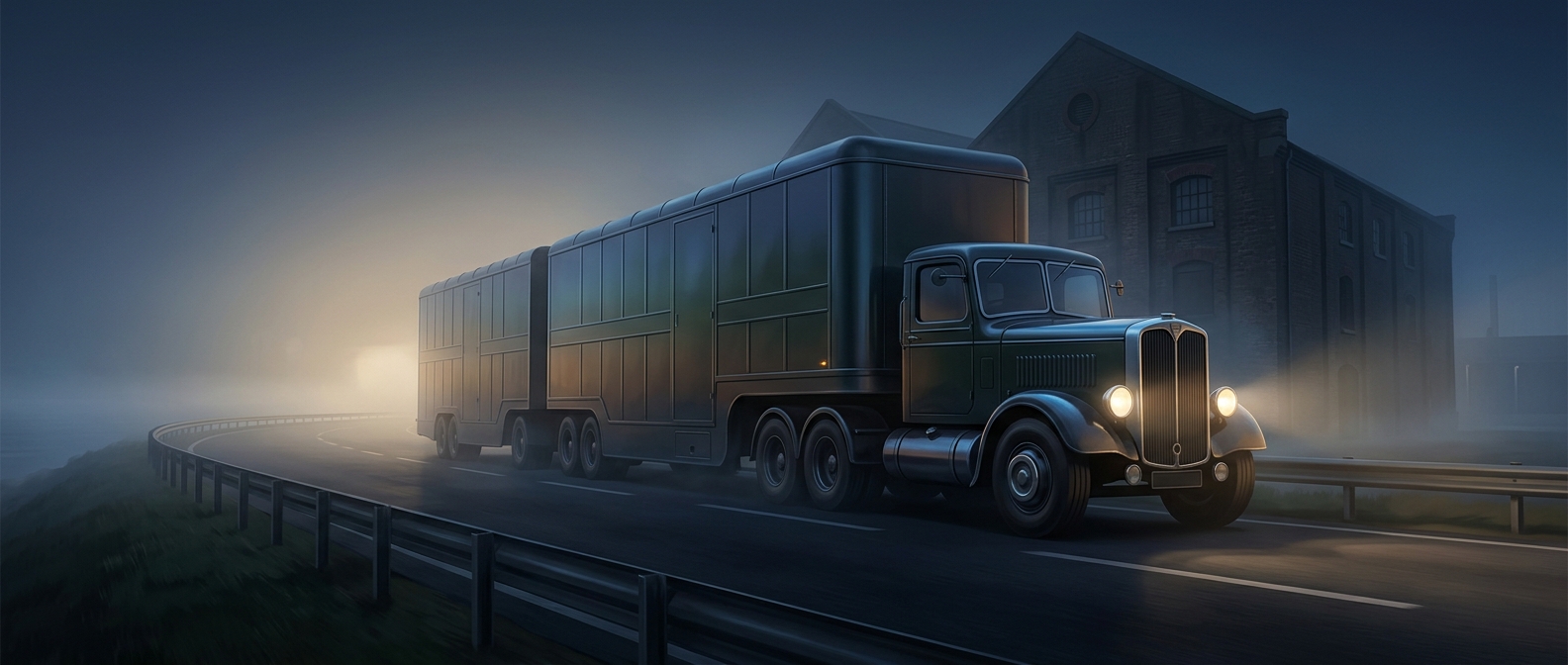
That shift is a form of naming by association. The vehicle did not inherit the warehouse’s walls or purpose exactly; it inherited the image of a substantial storehouse for people’s belongings. In Britain, “pantechnicon” became a distinctive word for a furniture-removal van, rather than just a generic label for any truck.
A storehouse on the road
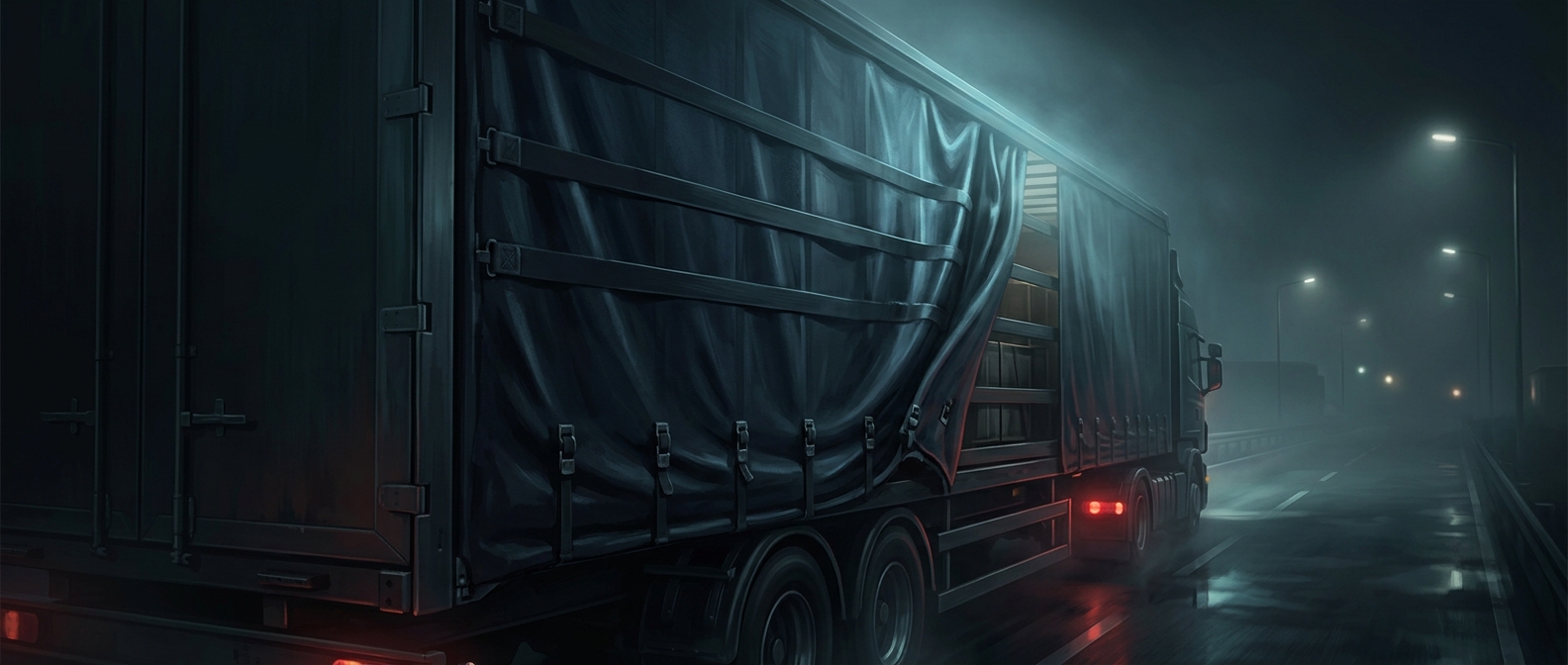
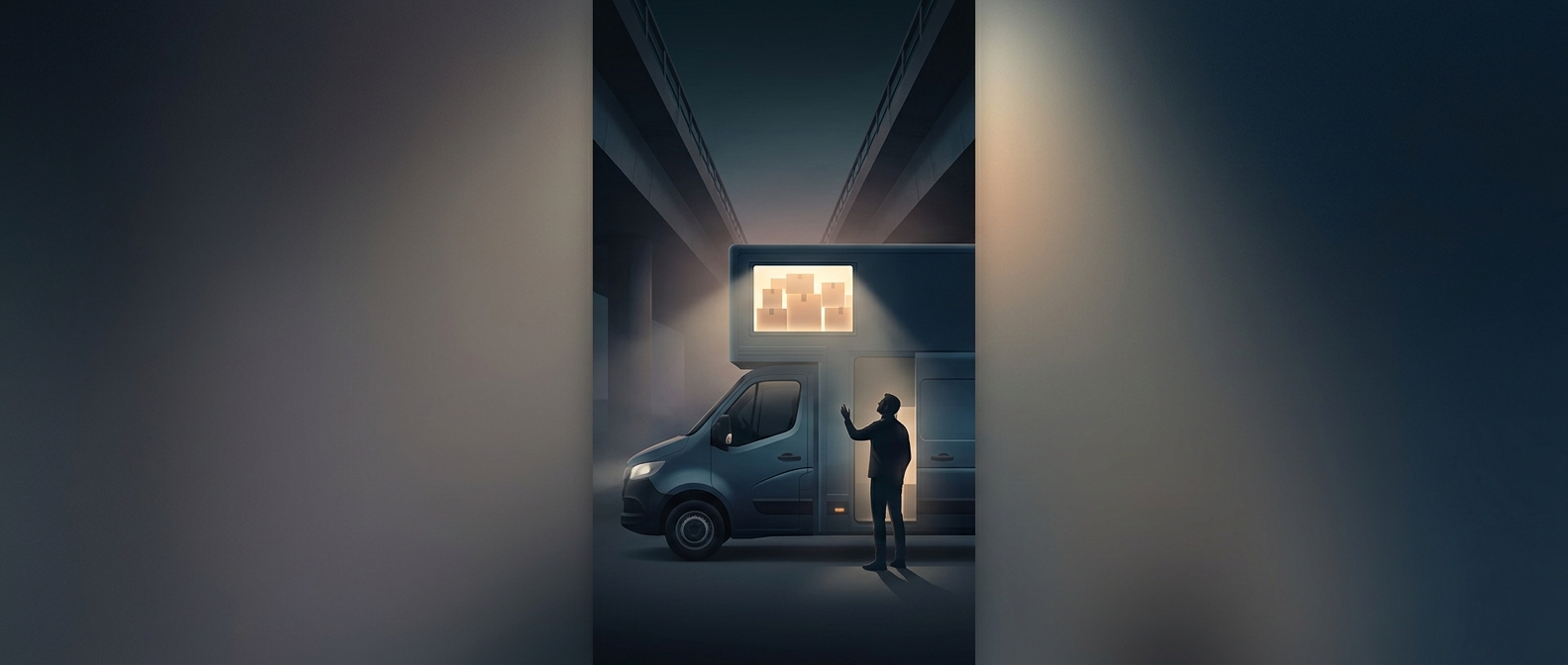
The connection also fits the van’s job. Furniture is awkward to carry, vulnerable to weather, and often moved in a single load. An enclosed, roomy vehicle acts like a small mobile storeroom, keeping possessions together between one home and another. The old building’s name therefore traveled with the practical service it represented.
The word’s afterlife captures a change in scale: a name once attached to a fixed London warehouse came to describe a vehicle that could bring that warehouse-like capacity to the doorstep.