Why the Mountain Stays on the Right
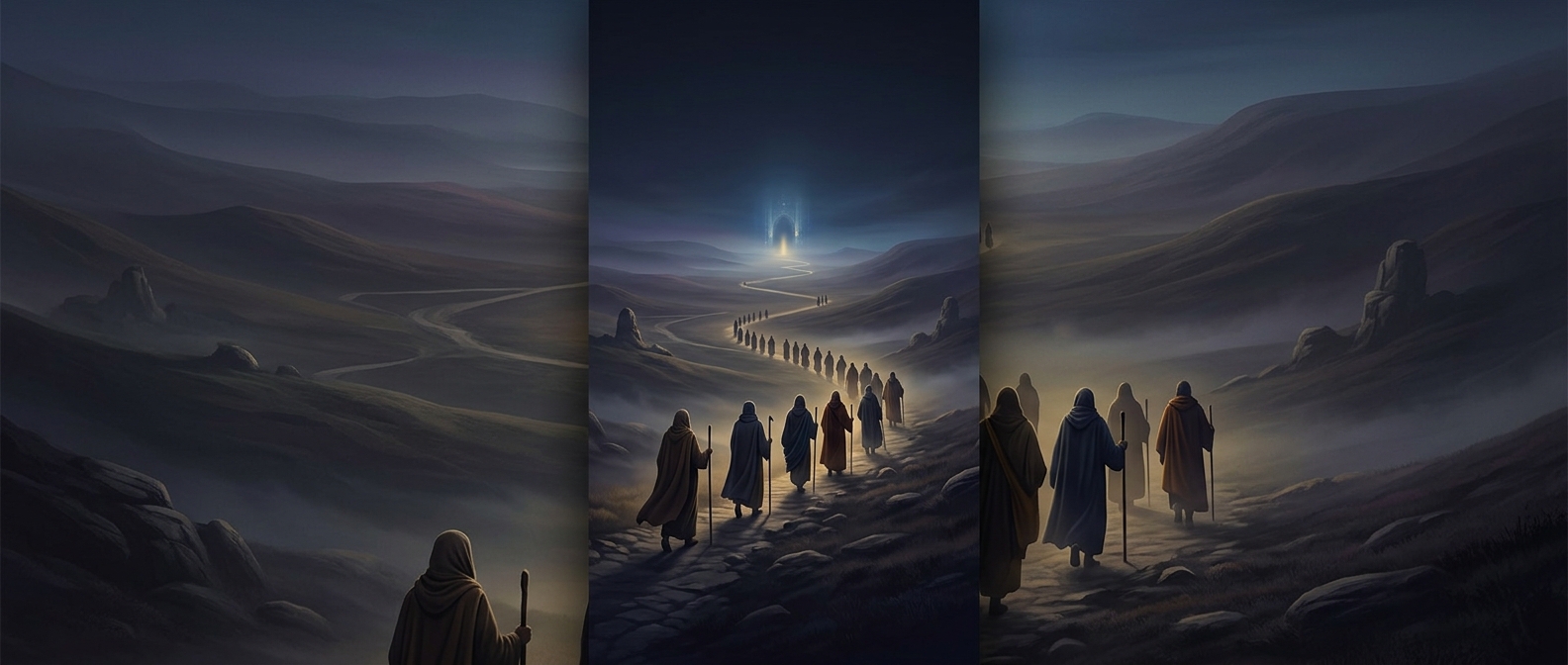
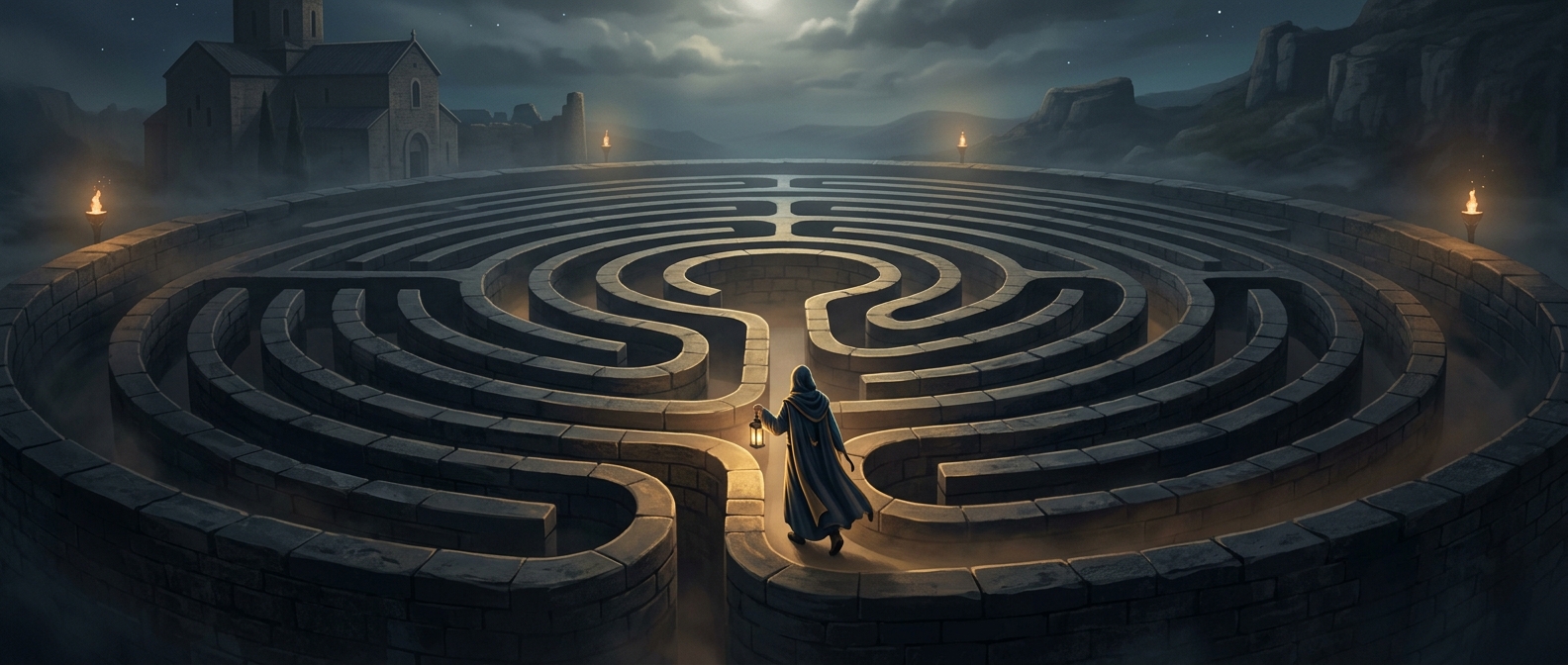
Walking around a sacred mountain is a form of circumambulation: a ritual journey that treats the place itself as the center of devotion. In traditions that prescribe a clockwise route, walkers keep the mountain on their right. The practice is often called pradakshina in Hindu contexts, though customs and names vary across communities.
The direction is associated with the sun’s apparent movement across the sky. Following that course makes the walk feel aligned with a larger order: the pilgrim does not simply choose a path but moves in a way that expresses reverence. The mountain becomes the fixed center, while the devotee’s body traces a deliberate orbit around it.
Merit Made Through the Journey
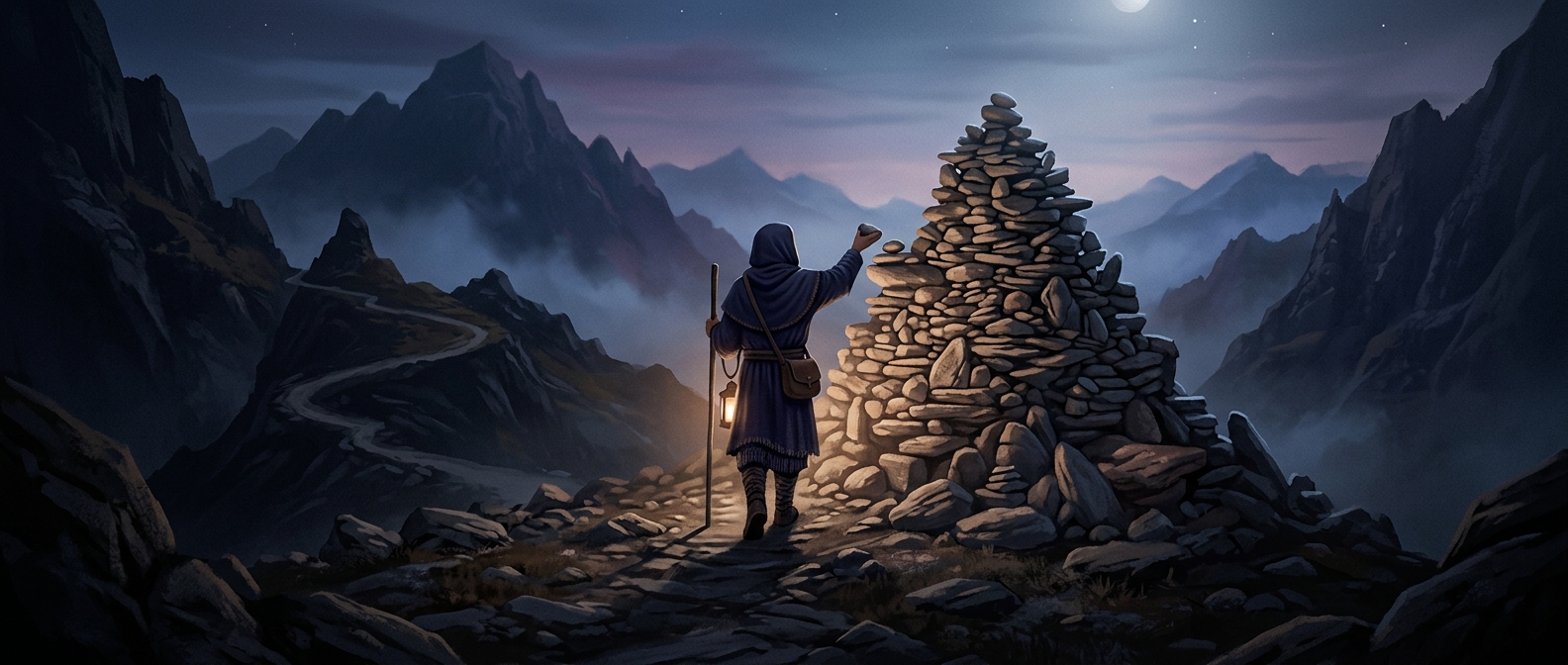
In religious practice, “merit” means spiritual benefit understood to arise from virtuous or devotional acts. The walk gives that idea a physical form. Pilgrims must set aside time, keep moving along a route, and sustain an intention through changing terrain and weather. The meaning lies not only in reaching a destination but in completing the circuit as an act of respect.
This is why the direction matters: turning the wrong way would change the ritual’s meaning, not merely its navigation. Customs are not universal, however. Different traditions may prescribe different routes around the same sacred landscape. For clockwise pilgrims, each step keeps the mountain at the honored center of the journey.