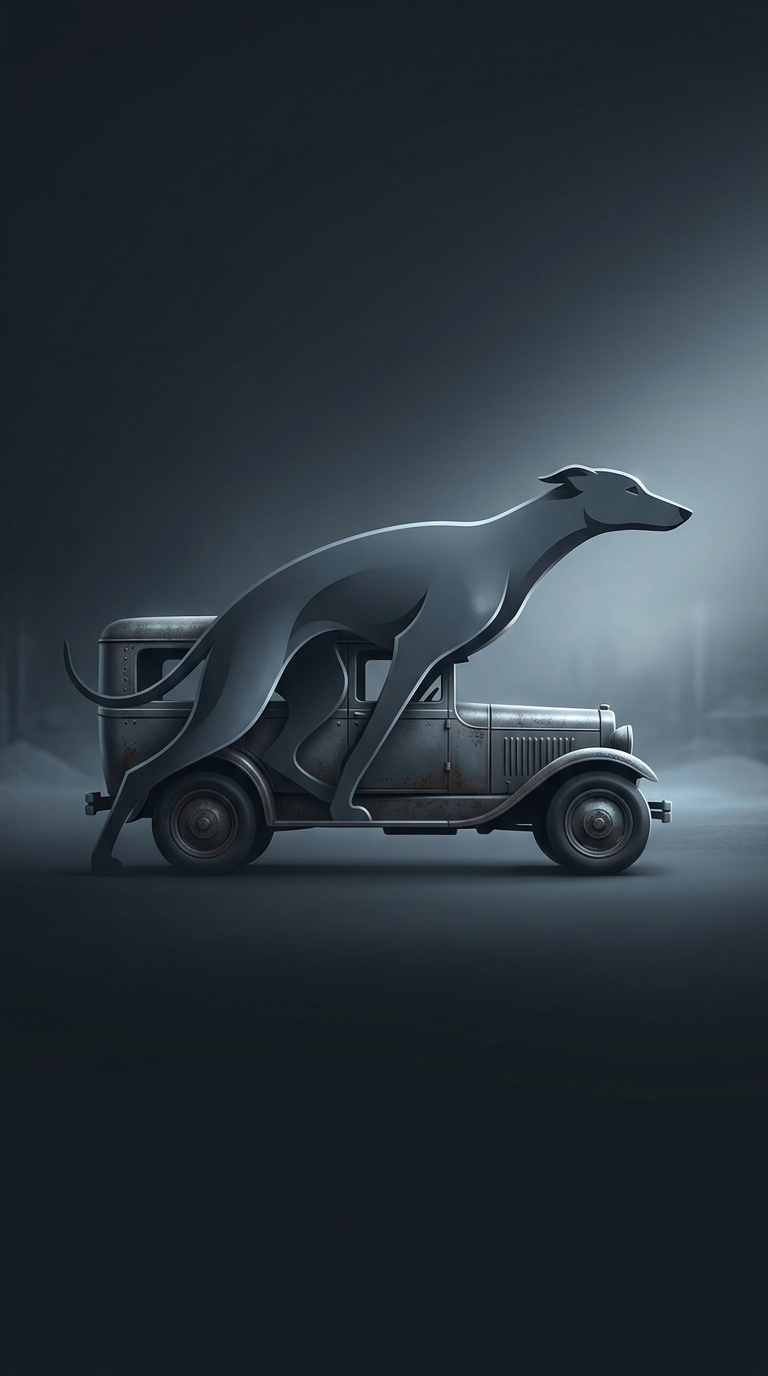
A car turned scattered mining trips into a route
In northern Minnesota, mining towns were separated by rough roads and long stretches of cold country. A worker who needed to travel between them could not count on frequent public transportation. Carl Wickman’s small Hupmobile offered a practical answer: instead of waiting for each passenger to arrange a private ride, he could carry several people along the same trip for a fare each.
That change mattered because the vehicle’s costs—fuel, maintenance, and the driver’s time—could be shared among passengers. A regular route also made the service easier to use: miners could plan around a known departure rather than negotiate a ride one at a time. The car was modest, but it converted a series of individual travel needs into one paying journey.
Why the idea could grow beyond one automobile
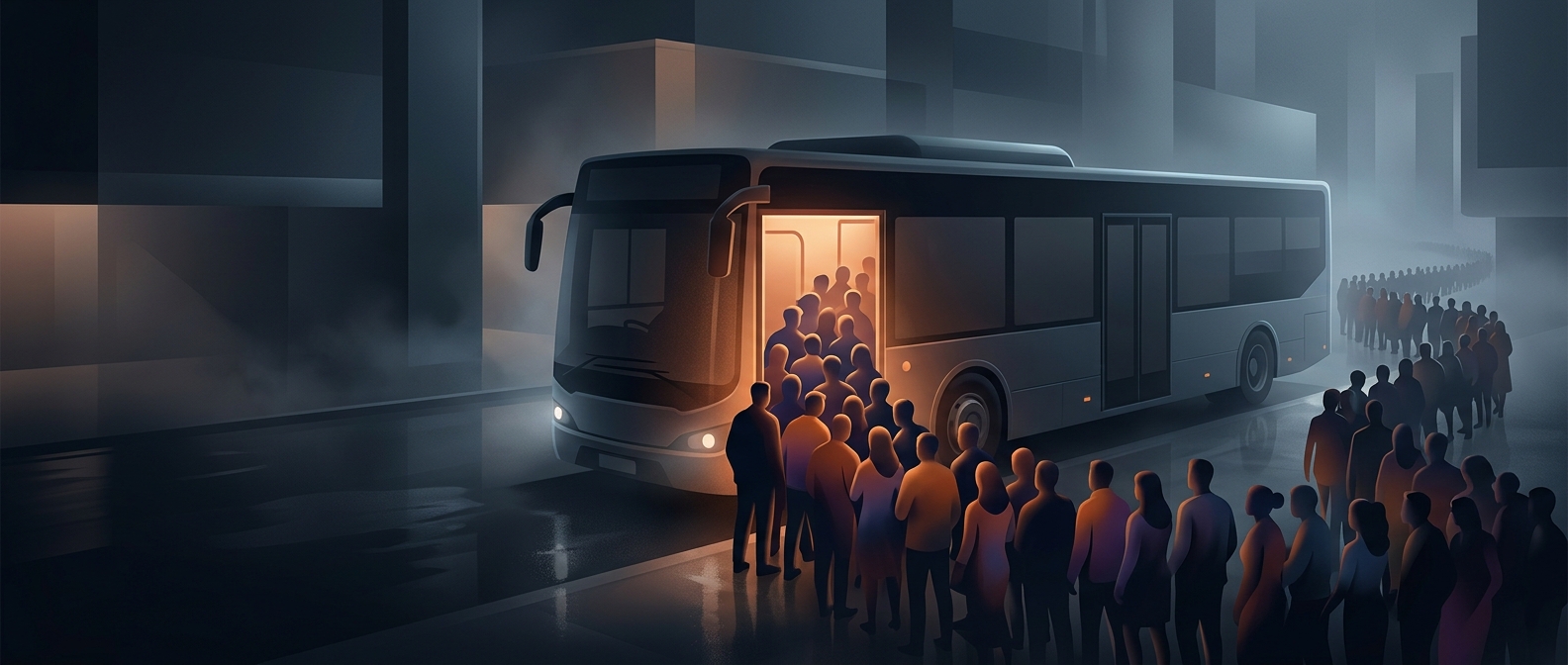
A seven-passenger car could serve a small flow of travelers, but its limited capacity set a ceiling on the business. As demand increased, larger vehicles could carry more passengers over the same roads, spreading the cost of each trip across a bigger group. The essential asset was not just a vehicle; it was a repeatable pattern of routes and fares connecting places that had few alternatives.
That pattern could be extended town by town, turning local service into a network. The leap from car to bus was therefore more than an upgrade in size: it let the operator move more people without inventing a new kind of trip. A transport empire began with a simple calculation—when enough people need the same journey, one shared ride can make it possible.