The gap between buses can make the problem grow
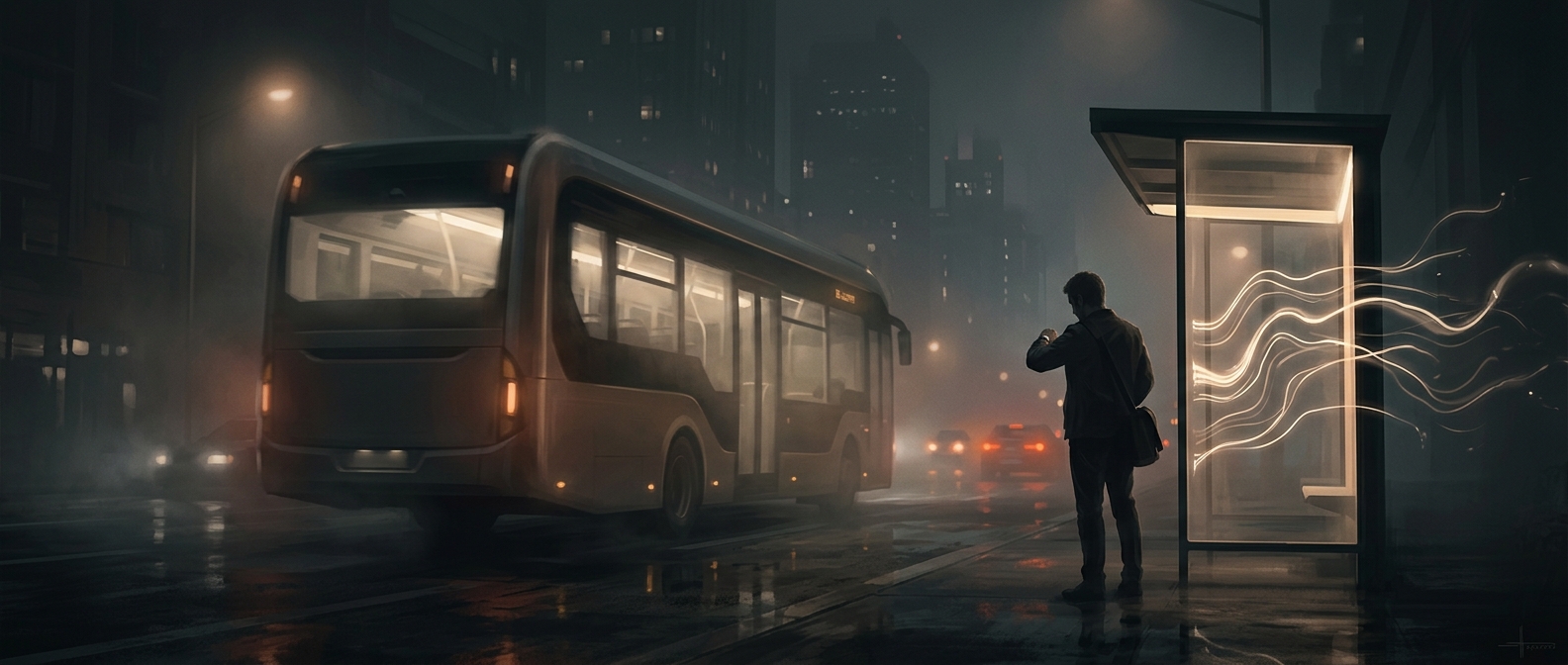
A bus route works best when buses are spaced evenly. Transit planners call the interval between one bus and the next a headway. When that interval stretches, the first bus may face a growing queue of passengers at each stop. Boarding takes longer, and the bus falls farther behind its follower.
Meanwhile, the bus behind has less time to gather passengers. It makes quicker stops, so it can close the gap even if it is moving no faster through traffic. The result is a feedback loop: the late bus gets delayed more, while the following bus gains ground.
Why schedules alone may not prevent bunching
A timetable can say when each bus should pass a point, but traffic and passenger demand vary from trip to trip. If dispatchers focus only on getting each bus back to its scheduled time, they may send a bus forward without correcting the growing gap behind it. The buses can then bunch again downstream.
Some systems instead try to preserve spacing. A driver may be asked to wait briefly at a timing point, or to speed up where conditions allow, so the gap between buses shrinks. These adjustments trade a short wait for some passengers against more even service for everyone farther along the route.
The practical consequence
Buses arriving together do not necessarily mean the route has too few buses. It can mean that small delays have amplified each other. Once vehicles bunch, riders may see a long wait followed by two buses close together—and the second may be less crowded, because the first has already picked up many of the people waiting.