Why a late bus can make the next one later
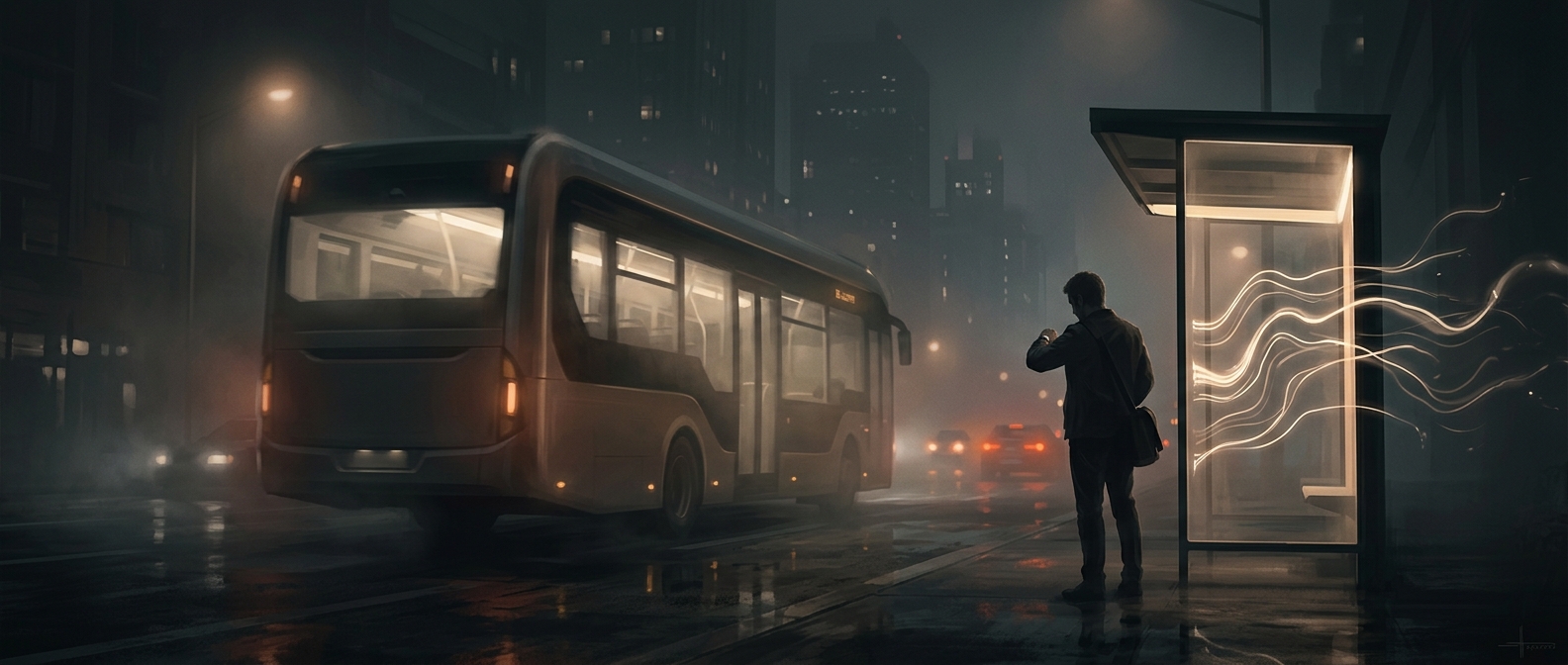
A bus schedule is easiest to follow on paper, where every trip has a clear start time. On a busy street, delays compound: a bus held at a crowded stop takes longer to load, then reaches the next stop farther behind schedule. Meanwhile, the bus behind it encounters fewer waiting passengers and may catch up. This is called bus bunching—vehicles that are meant to be spaced apart arriving close together.
The result can feel worse than a single delay. A long gap leaves more riders waiting, and those riders can make the first bus take even longer to board. The following bus then has less time to collect passengers, so it may remain close behind. The timetable has not simply slipped; the service has become uneven.
Controllers protect the spacing
To interrupt that cycle, transit control rooms often track buses along a route and compare the actual distance or time between them with a target interval, called a headway. If one bus is too close to the bus ahead, a dispatcher may tell it to wait briefly at a designated point. That pause can feel counterintuitive when the bus is already late, but it can restore a useful gap and prevent two vehicles from serving nearly the same crowd.
Agencies can also adjust service at route terminals, where buses begin a new trip, or send an extra vehicle when conditions allow. These measures are harder to use in heavy traffic or when there are too few buses and drivers available; holding one vehicle can also inconvenience its passengers.
A different measure of reliability
For frequent routes, even spacing may matter more to riders than whether each bus matches its listed minute. A bus arriving a little late but followed by another soon is a different experience from one arriving after a long, unpredictable wait. That is why managing the gaps is not a substitute for schedules so much as a way to keep small disruptions from turning into a much larger service gap.