A Knock That Travels Down the Jeepney
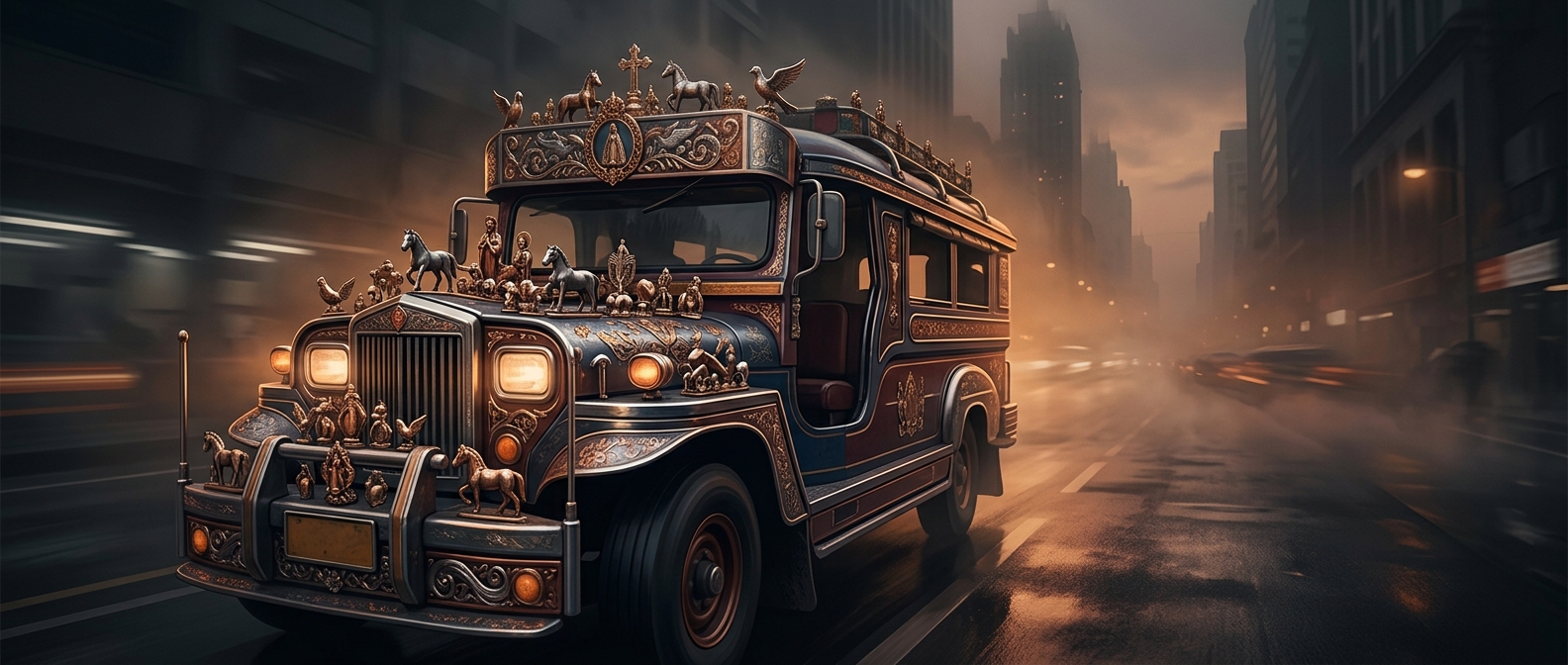
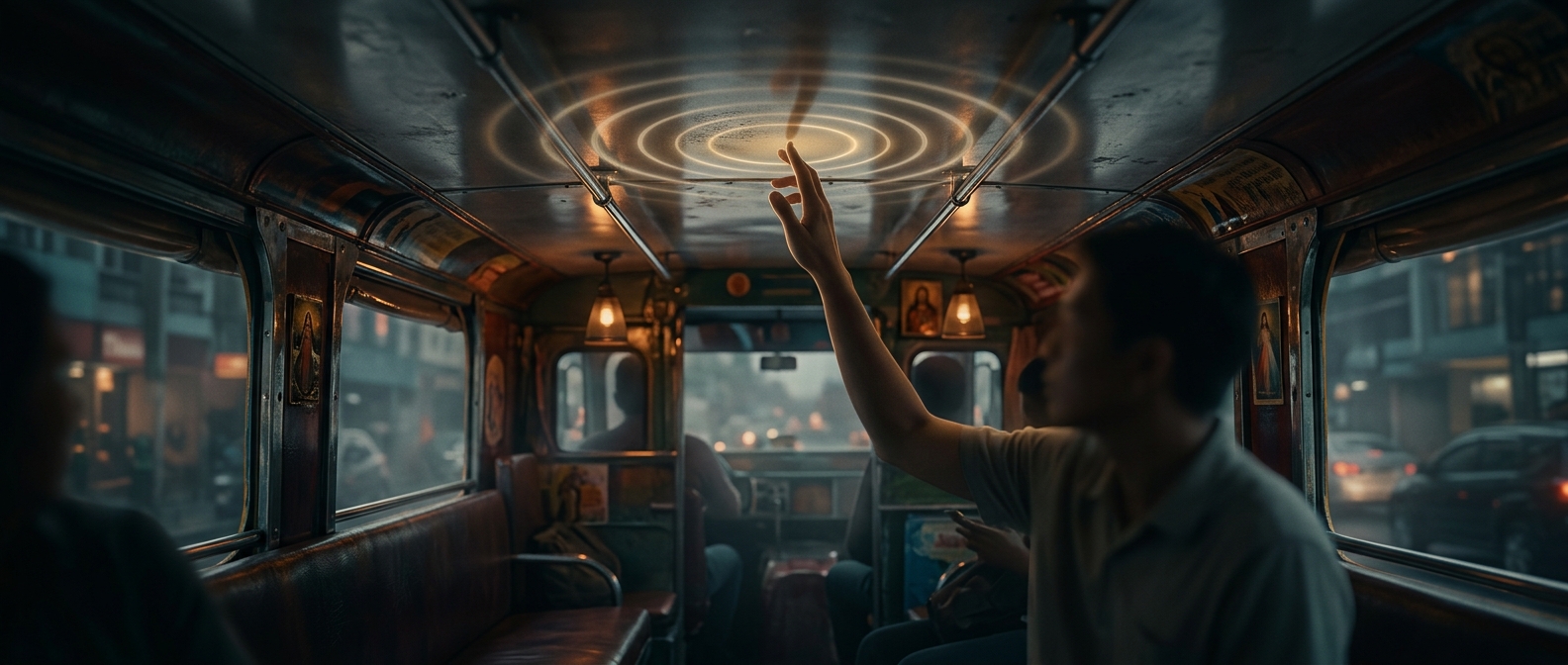
In a jeepney, passengers may be seated well behind the driver, along the vehicle’s long passenger compartment. A tap on the metal roof turns the body itself into a signal: the impact makes a sharp vibration and sound that can carry through the cabin to the front.
That makes the roof a reachable stop button for someone seated in back. Rather than threading forward through other passengers to get the driver’s attention, a rider can knock overhead. The driver can then pull over when it is safe to do so.
The Vehicle Becomes Part of the Interface
The gesture works because a jeepney is not a sealed-off passenger box with a separate electronic bell. Its metal structure links the rider’s action to the driver: a quick tap sets the roof and body vibrating, creating a cue the driver can hear or feel.
It is a simple, direct arrangement, but it depends on attention. A knock is a request, not an automatic command to stop; the driver still has to recognize it and choose a safe place to pull over. For the passenger, though, the whole vehicle is within reach—and the roof is the button.