Why One Slow Fare Can Hold Up a Bus
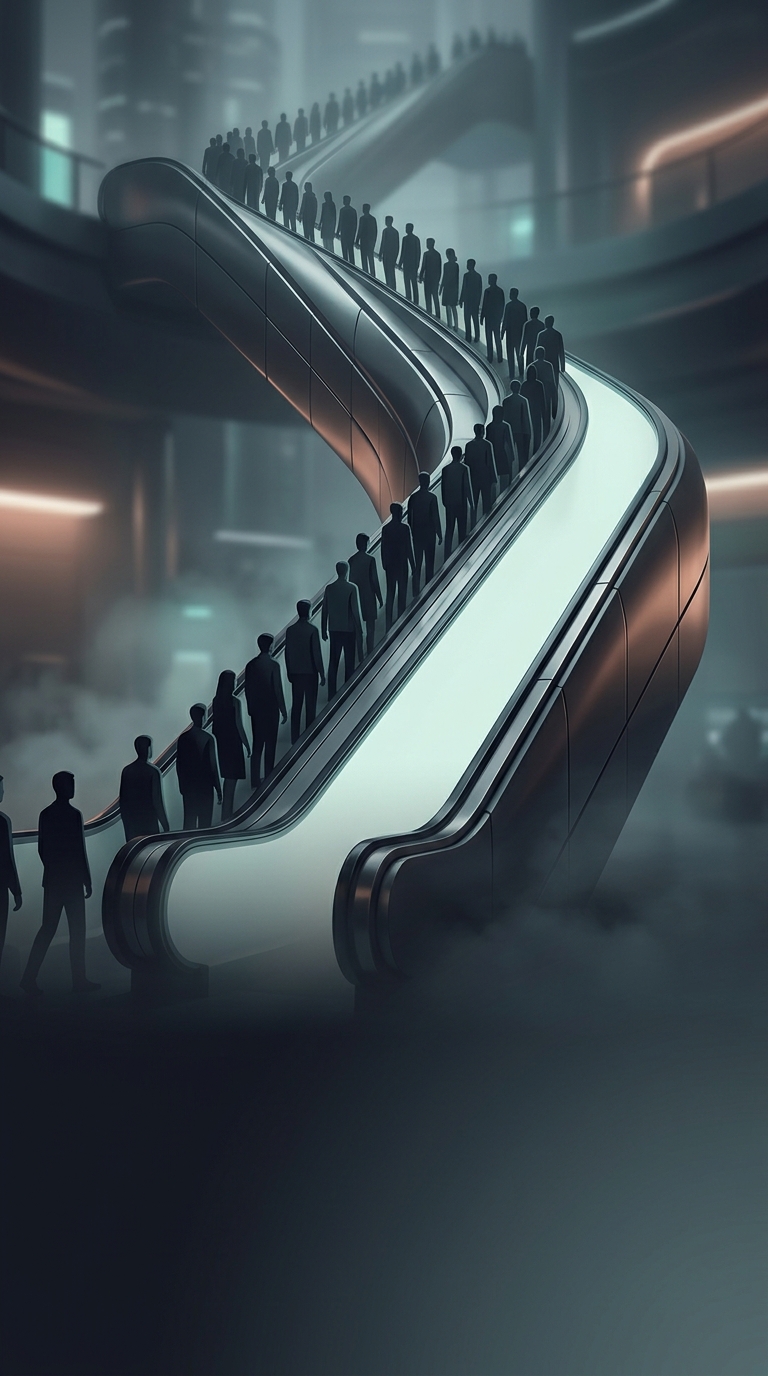
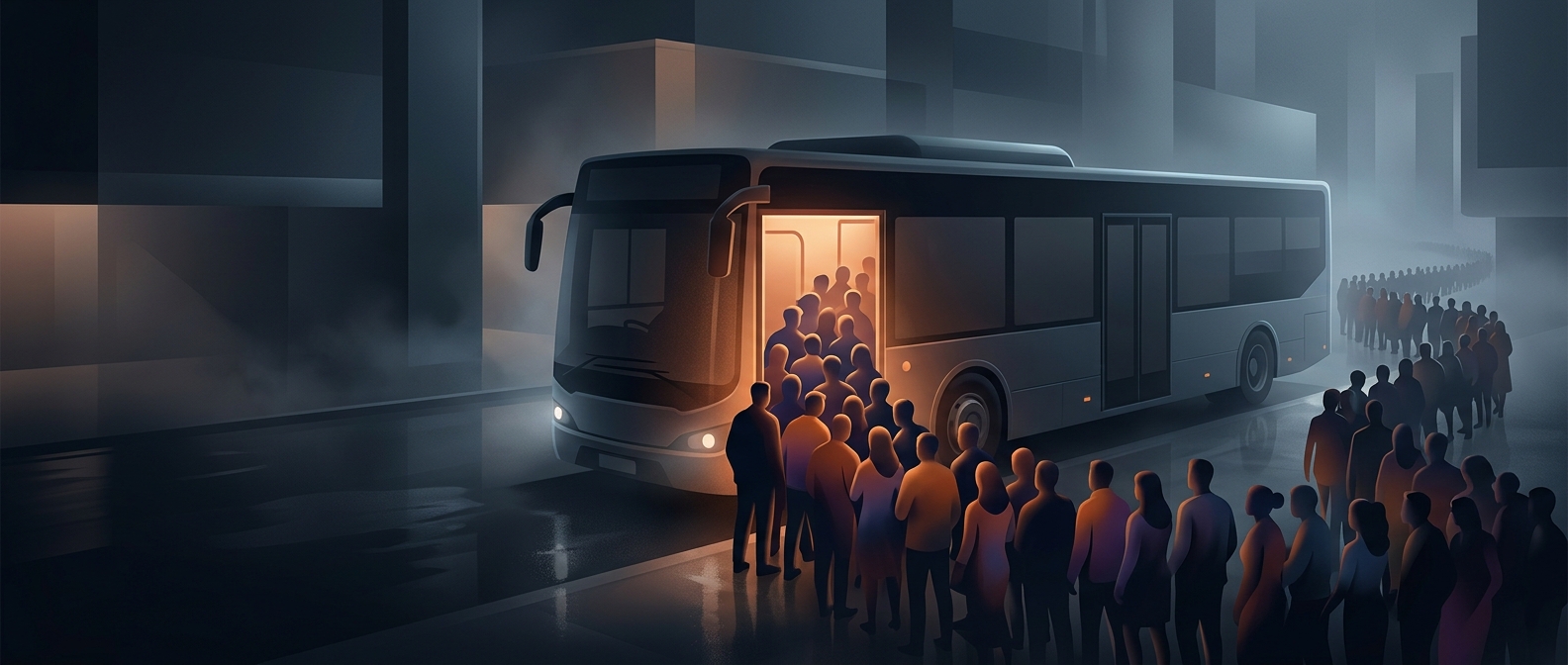
A bus may have room for dozens of riders, but front-door boarding makes each person pass through the same narrow decision point: the farebox or ticket reader beside the driver. The queue moves only as fast as that interaction. A quick tap takes a moment; searching for a pass, asking a fare question, or resolving a payment error takes longer. Those delays accumulate as riders wait behind one another.
The constraint is not just the width of the doorway. Riders also need time and space to step aboard, move clear of the entrance, and let the next person reach the fare equipment. If the aisle is crowded, people may hesitate rather than push farther into the bus, slowing the line again.
Small Delays Can Spread Through a Route
The time a bus spends stopped to let passengers board and alight is called dwell time. When boarding takes longer than expected, the bus leaves late. That can matter beyond one stop: a late bus may reach later stops when more passengers are waiting, adding still more boarding time. Meanwhile, a following bus can catch up, leaving riders with uneven gaps between buses.
This is why transit agencies may consider ways to let passengers board through more than one door, or to move fare payment away from the entrance. Such approaches can reduce the number of riders waiting to complete the same step in sequence. But they involve tradeoffs: agencies must still collect fares, manage crowding, and make the system work for riders using different payment methods.
The practical consequence is easy to see at a busy stop: a bus can be physically spacious yet slow to load because its passengers are being processed one at a time.